Diving Deep into the Fascinating World of Edible Insects for Sustainable Nutrition
What Are Edible Insects and Why Are They Essential for Sustainable Food Sources?
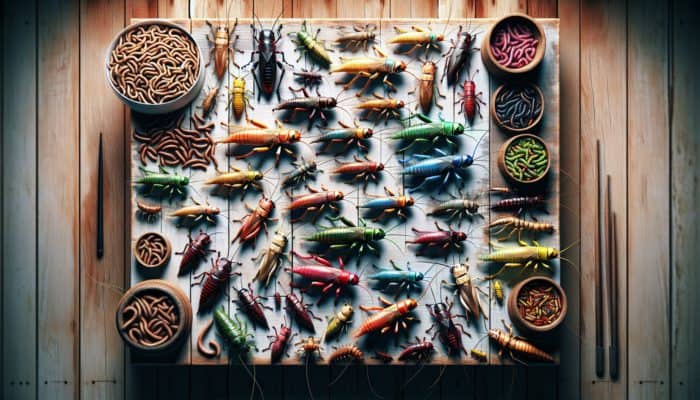
The Edible Insects Guide provides a thorough exploration of various insect species that are recognised as safe and nutritious for human consumption. These edible insects are integral to traditional diets across a multitude of cultures, offering a sustainable and plentiful source of protein. The growing acceptance of insects as a feasible food source is driven not just by their impressive nutritional benefits but also by their remarkable environmental advantages. Prominent examples of widely consumed edible insect species around the globe include:
In many cultures, the tradition of consuming these insects is deeply ingrained, demonstrating their adaptability and acceptance as a practical food source that is both nutritious and environmentally sustainable.
Discovering the Nutritional Benefits of Edible Insects
Insects are widely acknowledged for their exceptional nutritional profiles, often matching or surpassing those of conventional animal products. They are rich in high-quality protein, essential fatty acids, vitamins, and minerals, making them an excellent alternative to traditional meats. Notable nutrients found in various edible insects include:
- Protein (which can make up to 80% of their dry weight)
- Omega-3 and Omega-6 fatty acids
- Iron
- Zinc
- Calcium
- B vitamins (including B12 and riboflavin)
- Fiber (derived from chitin in exoskeletons)
- Antioxidants
This rich assortment of nutrients not only positions insects as a sustainable food choice but also makes them a beneficial addition to dietary practices aimed at enhancing overall health and wellness.
Why Is It Important to Incorporate Insects into Our Daily Diets?
The advantages of consuming insects extend far beyond their outstanding nutritional content. They provide an environmentally sustainable alternative, requiring significantly fewer resources in their production when compared to traditional livestock farming. Insects exhibit an incredibly efficient feed-to-protein conversion rate, leading to reduced greenhouse gas emissions and lower water usage. As the global population continues to increase, incorporating insects into our diets offers a practical solution to urgent food security challenges. Additionally, insects introduce new culinary experiences, enriching familiar dishes with unique flavours and textures.
Expert Perspectives on the Edible Insects Guide
Real-Life Examples of Insect Consumption Across Global Cuisines
Insects have been an essential part of the culinary traditions of numerous cultures around the world for centuries. In Thailand, deep-fried crickets are a beloved street food, renowned for their satisfying crunch and flavour. In Mexico, chapulines, or toasted grasshoppers, are seasoned with garlic and lime and often served alongside tortillas. In Japan, insects like *inago* (grasshoppers) are typically prepared with a sweet soy sauce glaze, enjoyed as a delicacy. These traditional recipes not only carry cultural significance but also highlight the remarkable versatility of edible insects within local cuisines, showcasing their wide-ranging culinary applications.
What Best Practices Should Be Followed for Sustainable Insect Farming?
The practice of insect farming, known as entomoculture, can be optimised through the implementation of best practices that encourage sustainable growth and breeding. Important factors include establishing ideal conditions for temperature and humidity that replicate the insects’ natural habitats. For example, crickets thrive at temperatures between 25-30°C and require humidity levels of approximately 60-70% for optimal growth. Moreover, selecting appropriate feed is crucial; insects can efficiently consume organic waste, thus lowering feed costs and promoting sustainability. Adopting techniques such as vertical farming can enhance space efficiency and reduce environmental impacts. By embracing these practices, insect farms can produce protein more efficiently while significantly decreasing resource consumption.
How Can We Easily Integrate Insects into Our Modern Diets?

Incorporating insects into contemporary diets can be approached gradually, ensuring the experience is enjoyable and accessible for those unfamiliar with entomophagy. Starting with insect snacks, such as roasted crickets or protein bars made from cricket flour, serves as an excellent entry point. Additionally, blending insects into familiar dishes enables a smooth transition; for instance, adding mealworms to pasta, pizza, or salads enhances their nutritional profile without altering the essence of the dishes. Establishing a foundation of acceptance through manageable portions encourages a gradual increase in consumption over time, promoting broader acceptance of insects in regular dietary habits.
What Nutritional Benefits Can Be Gained from Incorporating Insects into Our Diets?
The nutritional benefits of consuming insects are extensive, making them a highly advantageous addition to a balanced diet. Many insect species contain protein levels of up to 80% by dry weight, comparable to or even surpassing that of traditional meats such as beef and poultry. Furthermore, they are abundant in essential fats, vitamins, and minerals critical for overall health. For instance, crickets not only provide high protein levels but also a significant amount of iron and zinc, essential for immune function and energy metabolism. Including insects in one’s diet can effectively support individuals with dietary restrictions, enhancing nutrient intake while promoting sustainability.
Understanding the Health Benefits of Consuming Insects
What Health Benefits Are Associated with the Consumption of Insects?
Incorporating insects into our diets offers a myriad of health benefits, primarily due to their nutrient-dense composition. They serve as an excellent source of high-quality protein, vital for muscle growth and repair. Additionally, insects are rich in essential vitamins and minerals that contribute to overall well-being. The health advantages linked to insect consumption include:
- Enhanced muscle growth and repair
- Boosted immune function due to increased zinc levels
- Improved digestive health linked to fiber content
- Increased satiety aiding in weight management
- Support for heart health through healthy fats
- Potential anti-inflammatory effects associated with certain insect species
- Enhanced energy levels stemming from a balanced nutrient profile
- Increased micronutrient intake through a variety of insect species
These advantages illustrate how integrating insects into dietary regimes can positively impact health and well-being, particularly in regions facing nutrient deficiencies and dietary imbalances.
What Safety Concerns and Allergies Should Be Considered Regarding Insect Consumption?
While insects are generally regarded as safe for consumption, some individuals may experience allergic reactions to them. Those with shellfish allergies should exercise particular caution, as the protein structures found in insects can be similar. To mitigate potential risks, sourcing insects from reputable suppliers that adhere to strict safety standards is essential. Proper cooking techniques, such as ensuring appropriate cooking temperatures, can further enhance safety. Moreover, consumers should remain vigilant about contamination issues and avoid consuming wild-caught insects unless their safety and hygiene can be unequivocally verified.
How Do Insects Contribute Essential Nutrients to Our Diets?
Insects serve as a rich source of essential nutrients vital for maintaining a balanced diet. They often contain high levels of iron, which is crucial for oxygen transport within the bloodstream, as well as zinc, which is vital for immune health and healing. B vitamins, particularly vitamin B12, found in insects are essential for energy metabolism and the proper functioning of the nervous system. These nutrients can be particularly beneficial for individuals with dietary restrictions, such as vegetarians or those with food allergies. By incorporating insects into their diets, individuals can significantly enhance their nutrient intake while contributing to environmental sustainability.
Essential Guidelines for Preparing and Cooking Edible Insects
What Are the Key Preparation Techniques for Edible Insects?
Preparing insects for consumption involves a variety of methods that can significantly enhance their flavour and texture. The primary steps include cleaning, cooking, and seasoning. Initially, insects should be thoroughly cleaned to remove any debris or contaminants. Boiling is a common technique that ensures they are cooked properly while retaining moisture. Roasting enhances their crunchiness, making them ideal for snacking. Frying adds additional layers of flavour and richness. Each preparation method can be tailored to individual tastes, allowing for unique culinary experiences with insects as the main ingredient.
What Popular Recipes Highlight the Use of Edible Insects?
Insects can be creatively incorporated into a wide range of dishes, from appetizers to main courses. Some popular recipes that showcase edible insects include:
- Cricket flour pancakes: Made by substituting traditional flour with cricket flour, offering a protein-rich breakfast option.
- Mealworm stir-fry: Combining mealworms into a vegetable stir-fry enhances both texture and nutritional value.
- Chocolate-covered ants: A delightful treat that marries the crunch of ants with rich chocolate flavour.
- Grasshopper tacos: Featuring toasted grasshoppers as a filling, seasoned with spices, and served in tortillas.
- Insect protein bars: Blending nuts, dried fruits, and insect protein for a nutritious snack.
- Silkworm stew: A traditional dish where silkworms are cooked with vegetables and spices for a hearty meal.
- Fried crickets with lime: A simple yet flavourful snack enjoyed with a sprinkle of salt and a squeeze of lime.
- Insect-based pasta: Incorporating insect protein into pasta dough for a novel twist on classic dishes.
These recipes highlight the versatility of insects and facilitate their introduction to those who may be new to their culinary potential, encouraging broader acceptance.
What Techniques Can Enhance the Flavour of Insects in Cooking?
Insects can be seasoned with various spices and incorporated into sauces to elevate their flavour profiles. Using bold spices such as chili powder, garlic, and cumin can significantly enhance the taste of insect-based dishes, making them more appealing. Additionally, experimenting with marinades or sauces—such as teriyaki or garlic butter—can add depth and richness to the final dish. Pairing insects with complementary ingredients like avocados, fresh herbs, or citrus can further amplify their appeal. Creative seasoning can transform simple insect dishes into gourmet experiences, catering to diverse palates and preferences.
Assessing the Environmental Impact of Insect Consumption
How Sustainable Is Insect Farming Compared to Traditional Livestock Practices?
Insect farming is widely acknowledged for its sustainability when compared to conventional livestock farming. Insects require significantly less land, water, and feed to produce equivalent amounts of protein. For instance, crickets need approximately 1,700 times less land and 1,000 times less water than cattle to yield the same protein output. Furthermore, insect farming results in considerably lower greenhouse gas emissions, positioning it as an environmentally friendly alternative. The ability to utilise organic waste as feed further enhances sustainability, transforming food waste into a valuable resource. Supporting insect farming can lead us towards a more sustainable food system that benefits both humanity and the environment.
How Does Choosing Insects Help Reduce Environmental Impact?
Choosing to consume insects instead of traditional meats can significantly decrease an individual’s carbon footprint. Insects exhibit exceptional efficiency in converting feed into protein, requiring less feed and producing less waste compared to conventional livestock. For example, crickets convert feed into body mass at an approximate ratio of 2:1, while cattle require a conversion rate of up to 8:1. This efficiency results in reduced greenhouse gas emissions and diminished resource consumption on a larger scale. Additionally, as insects can flourish on organic waste, their farming can address food waste concerns, positively impacting the environment while tackling food security issues.
How Can Insect Farming Contribute to Biodiversity Conservation?
Insect farming holds the potential to significantly enhance biodiversity conservation by reducing reliance on large-scale livestock farming, which often leads to habitat destruction and monocultures. By integrating insects into food systems, we can promote agricultural practices that support local ecosystems and improve biodiversity. Insect farms can also play a role in conservation efforts by incorporating native insect species, thereby preserving genetic diversity. The potential positive impacts on biodiversity resulting from sustainable insect farming underscore the importance of integrating insects into future food production strategies, aligning agricultural practices with ecological preservation.
Research-Based Insights on Edible Insects
What Insights Do Scientific Studies Offer Regarding Edible Insects?
Scientific research increasingly supports the consumption of insects as a nutritious and sustainable food source. Studies highlight the rich nutritional profiles of various edible insects, demonstrating their potential to address global food challenges such as malnutrition and food insecurity. Real-world examples show that countries incorporating insects into their food systems often report enhanced dietary diversity and improved nutritional intake, particularly among populations experiencing deficiencies. This body of research reinforces the credibility of insects as an alternative protein source capable of meeting the demands of a rapidly growing global population.
What Economic Opportunities Are Created by Insect Farming?
Insect farming can generate new economic opportunities, ranging from small-scale local enterprises to larger commercial operations. The initial investment required to start insect farming is relatively minimal, making it an accessible venture for aspiring entrepreneurs. As the demand for sustainable protein continues to rise, insect farming can also lower protein production costs, providing competitive pricing in the market. For individuals interested in launching an insect farming business, exploring local regulations, selecting suitable species, and identifying target markets can provide actionable steps towards establishing a successful enterprise that contributes to economic development while promoting sustainability.
What Emerging Trends Are Influencing the Consumption of Insects?
The trend of consuming insects is gaining momentum, driven by a growing awareness of their environmental and health benefits. Innovations in food technology are making insects more accessible and appealing, with companies developing a wide range of insect-based products such as snacks, protein powders, and meal replacements. Consumer acceptance is increasing as more individuals learn about the benefits of insects, with chefs and restaurants incorporating them into gourmet dishes. The future of insect-based foods appears promising, as ongoing research and development are expected to enhance their visibility and integration into global diets.
Exploring the Cultural and Social Aspects of Insect Consumption
What Cultural Perspectives Influence Insects as a Food Source?
Cultural attitudes towards insects as food vary widely across the globe. In many Asian, African, and Latin American countries, insects are traditionally prized and integrated into local cuisines. For instance, in Thailand, insects are celebrated for their flavour and nutritional benefits, while in Mexico, they hold cultural significance and feature prominently in traditional dishes. Conversely, in Western nations, insects may face skepticism or aversion, often associated with notions of uncleanliness and disease. Understanding these diverse cultural attitudes is essential for fostering acceptance and integrating insects into diets globally.
How Can We Overcome Social Barriers to Insect Consumption?
To break down social barriers related to insect consumption, education and exposure are crucial in transforming perceptions. Initiatives promoting insect consumption could include cooking demonstrations, tastings, and incorporating insects into school nutrition programmes. Providing comprehensive information on the nutritional and environmental benefits of eating insects can encourage acceptance. Engaging chefs and food influencers to create appealing insect-based dishes can also normalise insect consumption within communities. By addressing misconceptions and fostering positive narratives, we can cultivate a more accepting attitude towards insects as a food source.
How Are Insects Being Incorporated into Modern Culinary Practices?
Chefs worldwide are progressively integrating insects into gourmet dishes, showcasing creativity and innovation within contemporary cuisine. Restaurants are experimenting with insects as key ingredients, highlighting their unique flavours and textures. For example, some chefs use cricket flour in baked goods or create insect garnishes for fine dining presentations. This trend not only exemplifies the culinary potential of insects but also aids in their normalisation in consumption. By placing insects at the forefront of culinary exploration, they gain broader acceptance and desirability within food culture.
What Role Do Insects Play in Cultural Festivals and Traditions?
Insects hold significant importance in various cultural ceremonies and festivals, symbolising a range of beliefs and traditions. In some Indigenous cultures, insects are featured in rituals that celebrate harvests or serve as ceremonial offerings. Festivals dedicated to insects often highlight their role in local cuisine and cultural identity, fostering community engagement and appreciation. Such events provide valuable opportunities for education and cultural exchange, promoting the acceptance of insects in diets while preserving traditional practices. Acknowledging the cultural significance of insects enriches our understanding of their broader societal role.
What Are the Economic and Sustainability Benefits of Insect Farming?
Insect farming presents both economic opportunities and sustainability advantages compared to conventional livestock farming. With the growing demand for sustainable protein, insect farming can create jobs and stimulate local economies. The minimal resource requirements for insect farming render it a viable alternative, needing less land and water. Furthermore, the potential for circular economy practices, such as utilising food waste as feed for insects, enhances its sustainability profile. However, scaling up insect farming presents challenges, including regulatory hurdles and consumer acceptance, which must be addressed to fully realise its benefits.
Practical Strategies for Integrating Insects into Your Diet
Where Can You Source Safe and Nutritious Edible Insects?
Edible insects can be sourced from a variety of outlets, including specialty food stores, online retailers, and local farms. When selecting a source, prioritising quality and safety is paramount. Reliable sources for procuring insects include:
- Local health food stores
- Online marketplaces specialising in edible insects
- Specialty food markets
- Farmers’ markets featuring local insect farms
- Directly from insect farms
- Food subscription services offering insect products
- Gourmet shops with unique food items
- Ethnic grocery stores providing traditional insect offerings
By sourcing from reputable suppliers, consumers can ensure that the insects they purchase are safe and suitable for consumption, thereby encouraging a healthier, more sustainable diet.
What Are the Best Practices for Storing and Preserving Insects?
Proper storage and preservation of insects are crucial for maintaining their safety and nutritional integrity. Insects can be preserved through various methods, including freezing, drying, and vacuum sealing. Freezing is an effective long-term preservation technique, while drying can extend shelf life and turn insects into convenient snacks. Vacuum sealing helps retain freshness and prevent spoilage. Each preservation method offers unique advantages, and selecting the most suitable technique will depend on personal preferences and intended use.
How to Start Gradually with Insect Consumption?
For those new to the idea of including insects in their diets, starting small is vital for fostering acceptance. Begin by sampling small portions of insects, perhaps as snacks or toppings for familiar dishes like salads or soups. Gradually increasing portion sizes allows for a smoother transition while enabling individuals to acclimatise to new flavours and textures. Exploring various insect types and preparation methods will further enrich the experience. This incremental approach lays the groundwork for a positive relationship with insect consumption, paving the way for more adventurous culinary explorations in the future.
What Recipes and Cooking Techniques Enhance the Enjoyment of Insect Dishes?
Exploring a variety of recipes and cooking techniques can significantly enhance the enjoyment of preparing insects, making them more appealing and satisfying. Methods such as frying, roasting, or incorporating insects into diverse batters can yield delicious dishes. For example, crickets can be seasoned and fried for a crunchy snack, while mealworms can be blended into smoothies for added nutrition. Experimenting with different flavour profiles and culinary styles allows individuals to discover their preferred ways of enjoying edible insects. With creativity in preparation, insects can become a delightful addition to any meal.
Addressing Common Questions About Eating Insects
Are All Insects Safe for Human Consumption?
No, not all insects are safe to eat. It is crucial to procure insects from reputable suppliers to ensure they are safe and suitable for human consumption.
How Do Insects Compare Nutritionally to Traditional Meats?
Insects frequently boast higher protein content, healthy fats, vitamins, and minerals than conventional meats, making them a nutritionally advantageous alternative.
Is It Viable to Farm Insects at Home?
Yes, home insect farming is feasible, particularly for species like mealworms and crickets. It requires minimal space and resources, making it an accessible endeavour.
What Allergens Are Commonly Associated with Insect Consumption?
Individuals with shellfish allergies may react to insects due to similarities in protein structures. It is advisable for these individuals to exercise caution.
What Are the Optimal Methods for Preparing Insects for Cooking?
Insects can be cleaned, boiled, roasted, or fried. Each cooking method offers distinct flavours and textures, enhancing their culinary versatility and appeal.
Where Can I Purchase Edible Insects?
Edible insects can be sourced from health food stores, online retailers, and local farmers’ markets. Always select reputable sources to ensure quality and safety.
What Is the Environmental Impact of Insect Farming?
Insect farming has a considerably lower environmental impact compared to traditional livestock farming, requiring less land, water, and feed, while producing fewer greenhouse gases.
How Can I Introduce Insects Into My Diet?
Start gradually by trying insect-based snacks or incorporating insects into familiar dishes. Incrementally increasing consumption can facilitate a smoother transition.
Are Insects Generally Considered Safe for Consumption?
Yes, insects are typically safe to eat when procured from reputable suppliers and prepared correctly. Ensuring quality and hygiene standards are upheld is essential.
What Are Some Popular Recipes That Feature Insects?
Popular recipes featuring insects include cricket flour pancakes, mealworm stir-fries, and roasted grasshopper tacos, showcasing the diverse culinary potential of these insects.
Follow our journey on X!
The post Edible Insects Guide: A Comprehensive Overview appeared first on Survival Bite.
The Article Edible Insects: Your Essential Guide to Nutrition and Flavor Was Found On https://limitsofstrategy.com
The Article Edible Insects: A Complete Guide to Nutrition and Taste found first on https://electroquench.com