Master the Skill of Liquid Reduction for Unmatched Culinary Results
What Key Actions Should You Implement for Liquid Reduction Mastery?
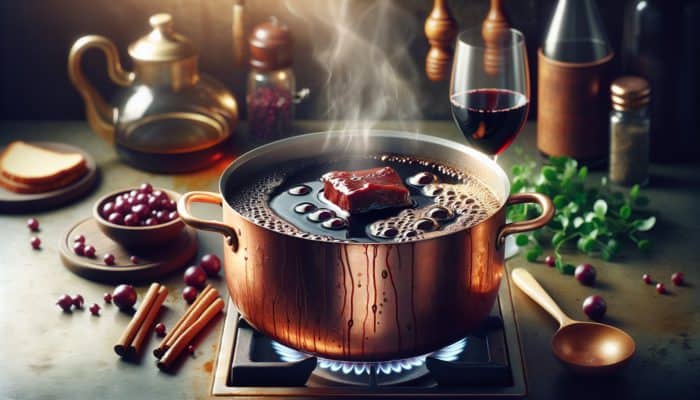
The art of liquid reduction is a vital culinary technique that focuses on the careful simmering of various liquids to amplify their flavours and enhance their textures. This skill involves the gradual evaporation of moisture, which leads to a richer and more concentrated flavour experience. For example, a simple broth can be transformed into a luxurious, velvety sauce that elevates any meal. Popular choices for reduction include stock, wine, vinegar, and fruit juices. A classic instance is the preparation of a traditional demi-glace, created by reducing a mixture of veal stock and red wine, infusing incredible depth into meat dishes. Additionally, balsamic vinegar can transform into a rich glaze that pairs beautifully with roasted vegetables or grilled meats, showcasing the versatility of this technique across different culinary traditions.
What Are the Crucial Considerations for Effective Liquid Reduction?
To achieve a successful liquid reduction, it is imperative to focus on several key elements, particularly heat and timing. Mastering heat management is essential; excessively high temperatures can cause rapid boiling, resulting in over-reduction and a bitter flavour, while too low temperatures may prolong the reduction process unnecessarily. Timing is equally important; knowing when to stop the reduction is vital for creating a balanced sauce that enhances dishes without overpowering their inherent essence. For instance, when crafting a wine sauce, the objective is to reach a syrupy consistency that clings to the back of a spoon, signifying that the flavours have concentrated perfectly without becoming overly sweet or harsh. Moreover, incorporating aromatic ingredients at different stages can enrich the final profile, resulting in a well-rounded sauce suitable for various culinary uses.
How Can You Effectively Monitor the Progress of Liquid Reduction?
Keeping track of the progress during the reduction process is crucial for achieving professional-quality results. Employing sensory evaluations, such as assessing aroma and viscosity, plays a key role in identifying when the reduction is at its optimum. As the liquid simmers, it thickens and its aroma intensifies, indicating that the flavours are becoming more concentrated. One practical method involves using a spoon to check viscosity; when the sauce coats the back of the spoon and leaves a clear line when you run your finger through it, it is ready for use. Additionally, noting the colour change can also serve as an indicator; a well-reduced sauce should exhibit a deeper hue, symbolising the concentrated flavours. By employing these sensory techniques, chefs can avoid common mistakes and maintain the ideal consistency across various preparations, ensuring high-quality results every time.
How Does Liquid Reduction Transform Culinary Flavours and Textures?
What Role Does Heat Play in Flavour Development During Reduction?
Heat is paramount in flavour development throughout the reduction process, as controlled temperatures encourage the evaporation of water while intensifying the remaining flavours. The transformation of basic bases, such as a vegetable broth, into complex profiles occurs as heat allows volatile compounds to escape into the atmosphere, concentrating the essence of the ingredients. For instance, reducing miso broth significantly amplifies the umami notes, dramatically elevating the dish. This straightforward method of harnessing heat to enhance flavours is accessible to cooks worldwide, enabling anyone to enhance the quality of their culinary creations. By understanding how varying heat levels interact with different ingredients, chefs can refine their cooking methods to consistently achieve the desired flavour outcomes.
What Elements Affect the Taste Outcomes of Liquid Reductions?
Numerous elements influence the final taste outcomes of a reduction, and understanding these can significantly improve your results. Key variables include:
- Cooking duration: Longer reductions typically yield more concentrated flavours.
- Stirring techniques: Regular stirring prevents sticking and ensures even cooking.
- Ingredient quality: Fresh, high-quality components lead to superior flavours.
- Acidity levels: Balancing acidic components can enhance or detract from the overall taste.
- Herbs and spices: Adding them at the right moment introduces additional flavour dimensions.
- Initial volume: Starting with the right amount of liquid ensures proper concentration.
- Cookware material: Heavy-based pans distribute heat evenly, aiding better reductions.
By considering these factors, cooks can hone their techniques to achieve optimal flavour profiles, enhancing both traditional and innovative recipes.
How Can You Achieve the Perfect Acidity Balance in Liquid Reductions?

Finding the right balance of acidity in reductions is essential for harmonising flavours and ensuring that the sauce complements other elements without overwhelming them. The pH levels in a reduction can greatly affect the overall taste, making it crucial to adjust them during cooking. An excessively acidic reduction can dominate a dish, while one lacking acidity may taste flat and uninspiring. To attain the perfect balance, consider incorporating ingredients such as citrus juice, vinegar, or even a splash of wine at various stages of the reduction process. Regular tasting during the process allows for fine-tuning of acidity to perfectly complement the dish. For example, adding a squeeze of lemon juice to a red wine reduction just before serving can provide a refreshing contrast to the rich flavours of the sauce. This careful balancing results in a more sophisticated and enjoyable culinary experience.
Proven Strategies for Crafting High-Quality Reductions
What Advanced Techniques Can Lead to Exceptional Reduction Outcomes?
Mastering advanced techniques for producing outstanding reductions requires precise temperature control and strategic ingredient layering. A successful method begins with a base of sautéed aromatics, such as onions, garlic, or shallots, cooked gently until translucent. This process establishes a robust flavour foundation for the reduction. Next, introduce your chosen liquid and bring it to a gentle simmer. It is crucial to monitor the temperature closely; aim for a low simmer rather than a vigorous boil, which may impart unwanted bitterness. For consistency, consider utilising a thermometer to maintain an optimal simmering range. Furthermore, adding herbs and spices at various stages can enhance complexity; for instance, incorporating fresh thyme early on and a hint of freshly cracked pepper towards the end can intensify flavour without overpowering it. These professional insights ensure that every reduction meets high culinary standards.
What Common Pitfalls Should You Avoid When Reducing Liquids?
Several common pitfalls can compromise a reduction, but awareness and preparation can help to avert these challenges. One common mistake is overboiling, which can lead to a burnt taste or a sauce that is excessively thick. To avoid this, always monitor the simmer; a gentle bubble is sufficient for effective evaporation. Another frequent error is neglecting to taste throughout the reduction; as flavours evolve while the sauce thickens, regular tasting allows for necessary adjustments.
Moreover, using low-quality ingredients can detract from the final result, so always opt for fresh, high-quality components. Additionally, avoid rushing the process; reductions require time to develop, and exercising patience will yield a rich, flavourful sauce. By recognising these pitfalls and implementing proven strategies, you can ensure flawless executions every time.
What Tools Are Essential for Effective Liquid Reduction?
Choosing the right tools for reduction can significantly enhance efficiency and precision in the cooking process. A heavy-based saucepan is optimal, providing even heat distribution and minimising the likelihood of hot spots that can scorch ingredients. Consider investing in a high-quality stainless steel or cast-iron pot, as these materials not only withstand high heat but also allow for better control of cooking temperatures. A wooden spoon or heat-resistant silicone spatula is essential for stirring, as these materials do not scratch cookware and facilitate thorough mixing. Furthermore, a fine-mesh strainer can be invaluable for removing solids from the sauce, ensuring a smooth final product. These tools, combined with expert techniques, streamline the reduction process, yielding high-quality results that closely resemble those achieved in professional kitchens.
How to Select Ingredients for Optimal Reductions?
The choice of fresh, high-quality ingredients is fundamental to creating optimal reductions. The flavours of your final sauce depend heavily on the initial components, making careful selection critical. For instance, using homemade stock instead of store-bought can dramatically enhance a sauce; the depth of flavour achieved from simmering bones and aromatics far exceeds anything pre-packaged. When selecting aromatics, consider seasonal produce; using fresh herbs like basil or dill can impart a distinctive flavour profile to your reductions, especially when paired with local ingredients. To balance acidity, fresh fruits or juices, such as citrus or native Australian finger limes, can enhance a dish’s overall complexity. By focusing on ingredient quality and seasonal availability, cooks can significantly elevate their reductions, achieving superior, restaurant-grade results that impress diners both at home and in professional kitchens.
What Innovative Variations Can Be Explored in Liquid Reductions?
Exploring innovative approaches to traditional reductions can lead to exciting new flavours and culinary experiences. Drawing on Australian culinary influences, incorporating local ingredients such as native herbs, like bush tomatoes or wattleseed, can create unique profiles that stand out. For example, a reduction featuring bush tomato paste can add delightful sweetness and umami, pairing exceptionally well with grilled meats. Additionally, experimenting with various types of vinegars, such as verjuice or infused vinegars, can yield intriguing outcomes; these variations can introduce unexpected tangs and nuances to the sauce. Moreover, consider incorporating local fruits into your reductions; a reduction made with fresh mango or passionfruit can add a tropical flair to savoury dishes. By embracing creativity and regional flavours, cooks can ensure versatility while maintaining quality and consistency in their reductions, enticing diners with unique culinary experiences.
What Are the Benefits of Mastering Liquid Reduction Techniques?
How Does Liquid Reduction Enhance Texture in Culinary Creations?
Effective reduction significantly improves the texture of sauces by thickening liquids, resulting in a silky mouthfeel that elevates the appeal of dishes. This transformation occurs as water evaporates, concentrating the remaining ingredients and yielding a richer consistency. For example, a well-reduced red wine sauce will coat the back of a spoon, providing a luxurious experience that beautifully complements proteins. The thickness achieved through reduction also allows the sauce to adhere better to food, enabling each bite to deliver flavour without overwhelming the palate. Furthermore, the concentrated elements add depth and satisfaction to meals, transforming simple dishes into gourmet experiences that engage the senses. By mastering the art of reduction, cooks can elevate the texture of their creations, resulting in more enjoyable dining experiences.
What Nutritional Advantages Are Linked with Liquid Reduction?
Reduction offers several nutritional benefits while intensifying flavours, making it a healthier cooking method. One primary advantage is the preservation of essential nutrients present in the original ingredients; for example, reducing a vegetable broth can concentrate vitamins and minerals without the need for additional additives. This approach also allows for lower-fat alternatives, as reduced sauces can be flavourful without relying on cream or heavy oils, leading to healthier dishes that retain taste. Additionally, the reduction process can enhance the bioavailability of certain nutrients, facilitating their absorption. By focusing on reductions, cooks can maintain taste without compromising health, creating dishes that are both delicious and nutritious.
How Do Reductions Facilitate Long-Term Storage Benefits?
The advantages of proper reduction extend to long-term storage, making meal prep easier and more efficient. Reduced sauces can be preserved for extended periods, allowing cooks to create batches that can be utilised on multiple occasions. This not only minimises waste but also streamlines cooking processes, as having a prepared sauce can significantly enhance quick meals. Properly stored reductions can be kept in airtight containers in the fridge or freezer, maintaining their quality and flavour for later use. When reheating, a gentle warm-up on the stove can restore the sauce’s original consistency and taste, ensuring it’s ready to enhance any dish. By honing reduction skills, cooks can focus on fundamental techniques that enhance usability, making cooking more manageable and enjoyable.
What Are the Advantages of Intensified Flavours and Aromas in Reductions?
Effective reduction concentrates flavours and aromas, enhancing the taste profile of dishes and making them more enjoyable. As liquids are reduced, volatile aromatic compounds intensify, resulting in a more fragrant and appealing sauce. This process enables cooks to achieve depth and complexity without the need for additional additives or seasonings, leading to a more authentic culinary experience. For example, a reduced balsamic vinegar not only thickens but also develops a sweet, tangy aroma that enhances the overall dish, making it a perfect accompaniment to salads or roasted meats. The ability to intensify flavours through reduction is a powerful tool that enables cooks to create memorable, restaurant-quality dishes at home, ensuring that every bite is packed with pleasure.
What Proven Strategies Can Enhance Your Liquid Reduction Skills?
How to Implement Layering Techniques for Depth of Flavour?
Building flavours in stages is an innovative layering technique that guarantees a professional finish in reductions. This approach involves not only the careful selection of ingredients but also the timing of their addition during cooking. Start by sautéing aromatics, such as onions or garlic, in a heavy-based saucepan to create a flavour base. Once softened, add the main liquid and simmer gently. At this stage, consider layering in additional ingredients such as herbs, spices, or even a splash of fortified wine to deepen the flavour profile. It’s crucial to taste at each stage to allow for seasoning adjustments and balance. This method not only enhances complexity but also yields a well-rounded sauce that exemplifies restaurant-level execution. By mastering innovative layering techniques, cooks can create reliable results across diverse applications, ensuring that every dish impresses.
What Are the Benefits of Adapting Recipes for Different Bases?
Adapting recipes for different bases allows for versatility while maintaining quality through expert-endorsed adjustments. For example, if a recipe calls for a meat stock reduction, consider substituting it with a vegetable stock for a lighter option, or even a fish stock for seafood dishes. Each base introduces its unique characteristics to the reduction, enabling cooks to customise the flavour according to the dish being prepared. Additionally, experimenting with different types of liquids, such as using a fruit juice reduction instead of wine, can create exciting new flavours that enhance the overall dish. When modifying core ingredients, be mindful of the overall balance of flavours; adjusting acidity levels or seasoning accordingly will ensure that the dish remains cohesive. By embracing these adaptations, cooks can seamlessly integrate diverse reductions into various culinary contexts while maintaining high standards of flavour and quality.
Why Is Consistency Essential in Liquid Reduction Techniques?
Consistency in execution is vital for achieving reliable, restaurant-level results in reduction techniques. Several reasons highlight the importance of maintaining consistency:
- Even heat distribution: Proper heat management ensures uniform cooking throughout.
- Taste reliability: Consistent techniques produce predictable flavour profiles.
- Visual appeal: A well-executed reduction maintains an attractive colour and texture.
- Time efficiency: Mastering the process enables quicker execution in busy kitchens.
- Customer satisfaction: Reliable quality leads to repeat customers and positive reviews.
- Scalability: Consistent methods allow for successful scaling of recipes to larger batch sizes.
- Skill development: Regular practice fosters confidence and proficiency in cooking.
By prioritising consistency in their execution, cooks can achieve repeatable success, elevating their dishes to professional standards with every attempt.
How to Master Temperature Control for Perfect Reductions?
Mastering temperature control is essential during reductions, as precise management directly influences the final product. To ensure optimal results, it is crucial to maintain a steady low simmer rather than allowing the mixture to boil vigorously. Boiling can lead to burning or uneven consistency, which detracts from the overall quality of the reduction. Using a thermometer can help accurately monitor temperatures, allowing for adjustments as necessary. Moreover, using heavy-bottomed pans aids in distributing heat evenly, thereby enhancing control during cooking. Understanding how different ingredients react to heat is also vital; for example, delicate ingredients may require lower temperatures to avoid bitterness. By honing temperature-control skills, home cooks can enhance their proficiency, achieving a level of flavour development that rivals that of professional kitchens.
What Equipment Is Most Suitable for Achieving Optimal Reduction Results?
Selecting appropriate tools and cookware for reduction significantly affects efficiency and quality. Heavy-based pans are particularly effective, as they provide even heat distribution, which is essential for consistent reduction. Stainless steel or cast iron options are ideal, as they can withstand high temperatures and promote even cooking. For stirring, use a wooden spoon or silicone spatula to prevent scratching the cookware and ensure thorough mixing. Additionally, a fine-mesh strainer can be invaluable for achieving a smooth sauce, allowing you to remove any solids that may interfere with the final texture. Investing in quality tools not only streamlines the reduction process but also enhances the overall quality of the sauce, ultimately leading to more reliable, restaurant-quality outcomes in various recipes.
How to Ensure High Standards in Final Preparations of Liquid Reductions?
What Final Adjustments Can Elevate the Flavour of Your Reductions?
Making final adjustments to balance flavours is essential for ensuring that reductions stand out in completed dishes. These last-minute tweaks can elevate the overall experience, transforming a good sauce into an exceptional one. Begin by tasting the reduction before serving; this critical step allows you to assess the balance of flavours. If the sauce appears overly acidic, consider adding a hint of sweetness with a small amount of sugar or honey. Conversely, if it lacks brightness, a squeeze of fresh lemon juice can invigorate the profile beautifully.
Additionally, adjusting the seasoning with salt or pepper can enhance overall flavour complexity. Remember that small adjustments can have a significant impact; therefore, add ingredients incrementally, tasting as you go to achieve the desired balance. By focusing on these subtle enhancements, you can elevate reductions to their full potential, ensuring they perfectly complement your dishes.
What Are the Best Storage and Reheating Techniques for Liquid Reductions?
Proper storage and reheating techniques are vital for maintaining the freshness of reductions and ensuring they are ready for future use. Once your reduction has cooled to room temperature, transfer it to an airtight container; using glass containers can help preserve the flavours and aromas more effectively. For short-term storage, reductions can be kept in the fridge for up to a week, while freezing is an excellent choice for longer preservation, allowing you to enjoy your creations months later. When reheating, gently warm the sauce over low heat, stirring frequently to ensure even heating and prevent scorching. If the consistency has thickened too much during storage, a splash of stock or water can help restore the desired texture. By employing these practical storage and reheating techniques, you can maintain the quality of your reductions, facilitating their incorporation into future dishes.
How to Troubleshoot Common Issues During the Reduction Process?
Addressing potential problems during the reduction process is critical for achieving consistent, high-quality outcomes. One common issue is separation, which can occur if the sauce is not emulsified properly. To remedy this, whisk in a small amount of butter or cream off the heat; this will help unify the sauce and restore a smooth texture. Another potential problem is bitterness, which can arise from over-reduction or burning. If you find your sauce has developed an unpleasant taste, consider diluting it with a splash of stock or a touch of sugar to rebalance the flavours. If the sauce is too thick, adding a bit of liquid can help achieve the desired consistency. By proactively troubleshooting common issues, cooks can salvage reductions and ensure high standards of quality in their culinary creations.
What Are the Best Practices for Proper Labelling and Dating of Reductions?
Proper labelling and dating of stored reductions are essential practices for maintaining freshness and safety. Take the time to clearly label containers with the contents and the date of preparation; this simple step prevents confusion and ensures that older reductions are used first. By dating your sauces, you can monitor their freshness, preventing spoilage and ensuring optimal flavour quality. Furthermore, consider using colour-coded labels or a consistent system to facilitate at-a-glance identification. This practice not only upholds quality standards in the kitchen but also streamlines the cooking process, making it easier to access your favourite reductions when needed. By prioritising proper labelling and dating, cooks can enhance overall kitchen efficiency while maintaining high standards of safety and quality.
What Common Questions Are Asked About Liquid Reduction?
What Is the Process of Liquid Reduction in Cooking?
Reduction is a culinary technique in which a liquid is simmered to concentrate its flavours and thicken its consistency. This process involves evaporating water, thereby concentrating the sauce or broth.
How Long Does It Take to Achieve a Reduction in Sauces?
The time required to reduce a sauce varies with the type and initial volume of the liquid used. Generally, it can take anywhere from 15 minutes to an hour to achieve the desired concentration.
Can I Prepare Reductions in Advance?
Yes, you can reduce sauces in advance and store them for later use. Properly cooled and stored reductions can last in the fridge for up to a week or be frozen for a longer shelf life.
What Types of Liquids Are Most Effective for Reduction?
Common liquids for reduction include stocks, wines, vinegars, and fruit juices. Each brings unique flavour profiles that can enhance various dishes when concentrated.
How Do I Determine When My Reduction Is Ready?
A reduction is ready when it has thickened to a syrupy consistency that coats the back of a spoon and has intensified in flavour and aroma.
Is It Essential to Strain a Reduction?
Straining a reduction is not always necessary, but it can enhance the final texture. Straining removes solids and provides a smoother sauce, especially for delicate reductions.
How Can I Remedy an Excessively Thick Reduction?
If a reduction is too thick, you can add a splash of broth, water, or wine while gently reheating it. Stir well to incorporate the liquid until the desired consistency is reached.
Can I Incorporate Fresh Herbs into My Reduction?
Yes, adding fresh herbs during the reduction process can enhance flavour. However, it’s often best to add them towards the end of cooking to preserve their brightness.
What Common Mistakes Should I Avoid When Reducing?
Common mistakes include boiling too vigorously, failing to taste, or using low-quality ingredients, all of which can lead to a bitter or unbalanced sauce.
How Do I Achieve a Glossy Finish on My Reduction?
To achieve a glossy finish, whisk in a small amount of cold butter off heat at the end of the reduction process. This technique, known as “monter au beurre,” adds shine and richness.
Connect with us on Facebook!
The post Secrets to a Restaurant-Quality Reduction: Essential Tips appeared first on https://cookinggods.com
The Article Restaurant-Quality Reduction: Essential Tips Revealed Was Found On https://limitsofstrategy.com
The Article Restaurant-Quality Reduction: Key Tips Unveiled found first on https://electroquench.com