Elevate Your House Cleaning Skills with Essential Techniques
What are the essential steps for achieving comprehensive house cleaning?
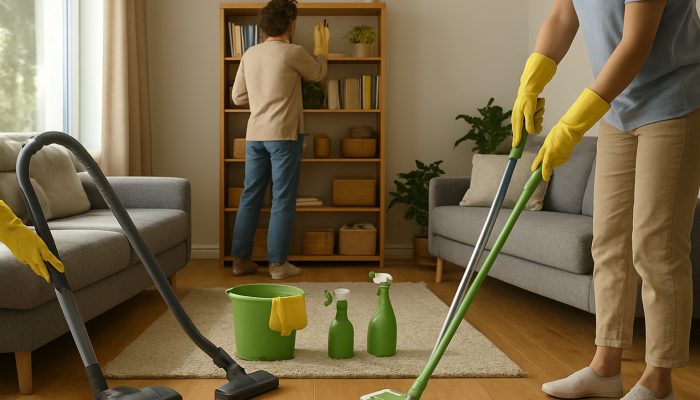

House Cleaning in Somerton: To effectively clean your home, you must adopt a systematic approach that starts with a comprehensive decluttering of each room. This vital first step cultivates a more organised environment, making subsequent deep cleaning tasks far more manageable. After decluttering, selecting cleaning products that comply with UK safety regulations is essential, ensuring a safe space for all inhabitants and visitors.
For instance, cleaning a typical UK living room may take between 30 to 60 minutes, depending on its size and condition. Begin by meticulously dusting all surfaces, followed by vacuuming carpets, and then mopping any hard floor areas. Each room demands a tailored cleaning strategy; for example, bathrooms often require additional attention due to humidity and the potential for mould, while kitchens need robust grease-fighting cleaners for stubborn stains. Prioritising high-traffic zones ensures that each cleaning session is both effective and efficient.
What essential cleaning supplies are necessary for successful cleaning sessions?
Having the appropriate cleaning supplies is crucial for achieving optimal cleaning results. In most UK households, vital items include microfibre cloths, which are excellent for capturing dust and dirt without scratching surfaces. It is also wise to consider eco-friendly detergents, readily available in many shops, particularly from local brands focusing on sustainability. These products help prevent residue build-up, ensuring surfaces remain cleaner for longer.
Never underestimate the significance of <a href=”https://limitsofstrategy.com/nitrile-protective-gloves-when-to-wear-them/”>protective gloves</a>; they act as a barrier between your skin and the harsh chemicals and allergens found in various cleaning agents. To enhance your cleaning efficiency, organise your supplies in a dedicated area, making them easily accessible during cleaning tasks, which significantly reduces the time you might otherwise spend hunting for items.
How can I establish effective regular cleaning habits?
Creating a consistent cleaning schedule is vital for maintaining a tidy home. In the UK, many families find that scheduling weekly or biweekly cleaning sessions strikes a good balance between deep cleaning tasks and lighter maintenance. Involving family members in these routines not only shares the workload but also instils positive cleaning habits in children.
Moreover, it is wise to adjust your cleaning schedule according to seasonal changes; for example, spring cleaning may involve intensive tasks such as washing curtains or deep-cleaning carpets. To facilitate this routine, consider creating a calendar that outlines tasks for each session, promoting regularity while fostering a healthier living environment for everyone in the household.
Expert Insights on House Cleaning Practices in Somerton

What are the most effective strategies for achieving deep cleaning in your home?
When it comes to deep cleaning, focusing on high-traffic areas like kitchens and bathrooms is crucial. These spaces frequently accumulate allergens and bacteria, making them prime targets for thorough cleaning. Experts suggest starting by improving air quality through proper ventilation; opening windows and using fans can significantly enhance the atmosphere. Focus should be directed towards surfaces that tend to gather grime, such as countertops, taps, and sinks, which are particularly susceptible to dirt build-up.
Utilise effective techniques like steam cleaning for carpets and upholstery, as this method not only cleans but also sanitises surfaces. In bathrooms, consider mixing baking soda and vinegar to create a natural cleaning solution that effectively combats limescale and soap scum, ensuring a healthier living space.
What criteria should I consider when selecting professional cleaning services?
Engaging professional cleaning services can dramatically enhance your home maintenance efficiency. When choosing a service in the UK, it is essential to seek providers that are properly vetted and certified, ensuring compliance with industry standards. Look for companies that conduct thorough background checks on their staff and possess the necessary cleaning certifications.
This approach not only guarantees quality service but also offers peace of mind for homeowners. Furthermore, reading reviews and testimonials from previous clients can help assess the reliability and effectiveness of the service. By conducting thorough research, you can ensure that the cleaning service you choose will meet your expectations and positively influence your home’s upkeep.
What are the common misconceptions regarding cleaning frequency?
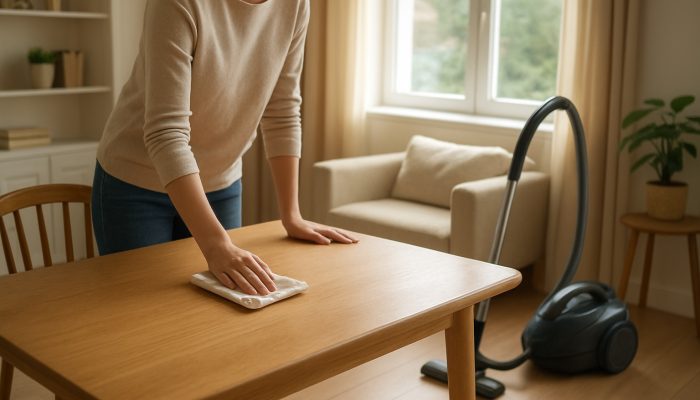
Many individuals mistakenly believe that intensive cleaning must occur weekly; however, specialists assert that daily light cleaning is often sufficient in UK households. Simple activities such as wiping down surfaces or performing a quick vacuum can dramatically reduce dust accumulation and lessen the need for more laborious cleaning later on.
Studies indicate that cleaning frequency can be customised based on household dynamics and lifestyle, suggesting that a more manageable approach can uphold high cleanliness standards without overwhelming residents. By incorporating brief daily tasks, you can maintain a tidy home without the stress of extensive weekly cleanings, creating a welcoming and enjoyable living environment.
What Unique Cleaning Practices Are Employed in House Cleaning in Somerton?
What preliminary preparations should be taken before commencing a cleaning session?
Before beginning a cleaning session, adequate preparation is essential. Assess the layout of each room, which often varies in UK homes. Take stock of the tools and supplies you will require, including vacuum cleaners, mops, and specific cleaning agents tailored for various surfaces.
Setting clear objectives for each cleaning session can significantly enhance efficiency; for example, dedicate one session to deep cleaning the kitchen while focusing on another room during a different session. This method reduces disruption and maximises productivity, making the cleaning tasks more manageable and effective. By planning ahead, you ensure that each cleaning session is purposeful and thorough, leading to superior results.
What factors influence the duration of cleaning sessions?
The time required for cleaning can vary based on several factors, including the size of the property and the number of residents. For the average UK home, experts recommend that cleaning sessions could last between 1 to 2 hours, incorporating breaks to alleviate fatigue. Larger homes or those with multiple occupants may necessitate longer cleaning times due to increased mess and clutter. Additionally, consider the level of dirtiness; homes with pets may require more frequent and thorough cleaning to manage fur and odours. By understanding these factors, you can allocate sufficient time for each cleaning task, ensuring thoroughness without feeling rushed or overwhelmed.
Why is it important to adapt cleaning techniques for different rooms?
Every room in a UK home presents unique challenges requiring customised cleaning methods. For instance, the living room may demand regular dusting and vacuuming, while the kitchen necessitates a stronger emphasis on grease and spills. Bedrooms often need attention to soft furnishings, such as bedding and curtains, to effectively combat allergens. Tailoring cleaning techniques to address the specific needs of each room enhances the overall effectiveness of your efforts. This focused approach not only promotes a healthier living environment but also ensures that all areas receive the necessary attention, preventing issues such as mould growth or dust accumulation that could adversely affect quality of life.
Research-Backed Advantages of Maintaining a Clean House in Somerton
How does maintaining a clean environment influence health and wellness?
Maintaining a clean home profoundly impacts overall health by minimising allergens and bacteria present in the living environment. Studies demonstrate that keeping a tidy environment can enhance respiratory function by removing dust and other irritants, thereby reducing the risk of asthma and allergy symptoms. Local health reports have highlighted the connection between cleanliness and overall well-being, emphasising the importance of consistent cleaning routines in preventing health issues.
Moreover, a clean home contributes positively to mental health, creating a calming atmosphere that supports relaxation and mental clarity. By prioritising cleaning, you are making a direct investment in the health of all household members, nurturing both physical and psychological well-being.
What psychological benefits are linked to a clean home?
An organised and tidy living space significantly improves mood and reduces stress levels. Psychological research indicates that clutter can induce feelings of anxiety and chaos, while cleanliness fosters a sense of control and tranquillity. In UK homes, decluttering and maintaining a clean environment can lead to enhanced mental clarity and emotional health.
Establishing consistent cleaning habits not only improves the aesthetic appeal of your home but also encourages a healthier mental state. Consequently, many individuals report increased productivity and motivation in a clean space, highlighting the significant emotional benefits of regular house cleaning.
How does routine maintenance contribute to long-term cost efficiency?
Investing in regular cleaning can yield substantial long-term savings for UK homeowners. Consistent upkeep of your property helps avert issues that could lead to costly repairs in the future. For instance, regularly cleaning carpets can prolong their lifespan, saving money on replacements. Additionally, maintaining appliances and surfaces through routine care can reduce the likelihood of expensive repairs later on.
By proactively addressing cleanliness, you not only preserve your home’s visual appeal but also protect against financial drains caused by neglect. These preventive measures underline the practical advantages of establishing a regular cleaning schedule, helping to ensure your home remains a safe and pleasant environment.
What environmental benefits arise from adopting sustainable cleaning practices?
Embracing eco-friendly cleaning methods offers significant environmental benefits, particularly in Somerton. By opting for sustainable cleaning products, households can effectively reduce chemical pollution and minimise waste. UK experts advocate for using natural cleaning solutions, such as vinegar and baking soda, which are both effective and gentler on local ecosystems.
Research indicates that environmentally conscious cleaning not only protects the planet but also cultivates healthier living spaces. Adopting these greener habits can inspire community changes, positively contributing to the overall health of the environment in Somerton and beyond, paving the way for a better future for generations to come.
What Are the Ongoing Benefits of Regular Cleaning Practices?
How does regular cleaning enhance the visual aesthetics of homes?
Regular cleaning significantly boosts the visual appeal of UK interiors, making homes more inviting for both family and guests. Consistent upkeep prevents the accumulation of dirt and clutter, ensuring that spaces remain attractive and comfortable. Simple routines, such as weekly vacuuming and dusting, can greatly elevate your living environment. Furthermore, a well-maintained home not only reflects personal values but can also help sustain property values over time.
By prioritising aesthetic upkeep, residents create a welcoming atmosphere that fosters positive interactions and enhances daily living experiences, contributing to an inviting and harmonious home environment.
Is it beneficial to hire professional cleaning services?
Many homeowners face the decision of whether to engage professional cleaning services. Weighing the costs against the time saved often indicates that hiring experts can be a worthwhile investment for UK households. Professional cleaners typically possess specialised knowledge and equipment that produce superior results compared to DIY methods. This allows families to enjoy exceptional cleaning while freeing up precious time to focus on other pursuits.
Moreover, maintaining immaculate home conditions through professional assistance can prevent long-term damage, making it a financially sound choice for home maintenance. Ultimately, professional cleaning can deliver both efficiency and peace of mind, ensuring your home remains in excellent condition.
What strategies can I employ to evaluate the success of my cleaning efforts?
Evaluating the effectiveness of your cleaning efforts is crucial for upholding high cleanliness standards. Develop customised checklists that target specific areas of your UK home, facilitating regular assessments of hygiene. Key metrics to monitor include dust levels on surfaces, the shine of polished areas, and the freshness of fabrics. Consistently reviewing these factors not only helps refine your cleaning methods but also reinforces accountability within the household.
By incorporating these metrics, you can maintain high cleanliness standards and make informed adjustments to your routines as necessary, ultimately enhancing the overall hygiene and attractiveness of your living space.
- Dust levels on surfaces
- Shine of polished surfaces
- Freshness of fabrics
- Cleanliness of floors
- Odour levels in spaces
- Condition of appliances
- Appearance of windows
How can cleaning practices reduce allergens and enhance indoor air quality?
Regular cleaning practices are vital for minimising allergens and improving indoor air quality within UK homes. By systematically removing dust, pet dander, and mould, households can significantly lower the risk of respiratory issues and allergic reactions among residents. This approach not only promotes a healthier living environment but also contributes to overall family well-being.
Maintaining a clean home involves targeted strategies, such as vacuuming with a HEPA filter and routinely washing bedding, which are particularly effective at reducing allergen levels. Such cleaning routines ensure that every family member can enjoy a safer and healthier space, leading to better health outcomes.
Proven Techniques for Effective Cleaning
What methods are most effective for managing stubborn stains?
Stubborn stains can be a considerable nuisance in any home; however, with the right techniques, they can be effectively managed. For instance, in UK households, a mixture of vinegar and water can efficiently lift stains from various fabrics without causing damage. For tougher carpet stains, consider using a combination of baking soda and vinegar; the fizzing reaction can aid in breaking down the stain’s composition.
Always conduct a test on a small, inconspicuous area first to avoid any discolouration. Implementing these eco-friendly methods not only ensures efficiency but also protects your home from harmful chemical exposure, making cleaning safer for all residents.
Why should I consider incorporating green cleaning options into my routine?
Integrating green cleaning options into UK homes is a prudent choice for promoting healthier living conditions. Sustainable products, such as those made from natural ingredients, significantly decrease chemical exposure for occupants. For instance, using baking soda and lemon juice can effectively clean surfaces without the adverse effects often associated with traditional cleaners.
These natural alternatives not only yield long-lasting results but also positively impact the environment by reducing pollution. By consciously adopting green cleaning practices, households can nurture both their well-being and that of the planet, contributing to a healthier future for everyone.
How should cleaning routines adapt to seasonal changes?
Cleaning routines should evolve with the seasons to effectively tackle specific challenges. In the UK, damp winter months may require a greater focus on mould prevention, while spring presents an excellent opportunity for comprehensive deep cleaning. Consider seasonal tasks such as clearing gutters in autumn to prevent blockages or washing windows in sunnier months to maximise natural light.
Customising your cleaning approach based on the weather ensures that your home stays fresh and welcoming throughout the year. By proactively addressing seasonal adjustments, you can counter unique challenges while maintaining a healthy living environment, making your home an even more pleasant place to be.
What daily cleaning habits can enhance the upkeep of UK households?
Establishing simple daily cleaning habits can significantly improve the tidiness of British homes. Regular dusting of surfaces and wiping down high-use areas, such as kitchen countertops, can greatly minimise allergen build-up. Incorporating quick tasks into your daily schedule allows for ongoing upkeep without the burden of extensive deep cleaning.
For instance, keeping a microfibre cloth handy to promptly address spills and messes as they occur can prevent these issues from escalating. By utilising everyday items, you can maintain a clean atmosphere and promote health-focused hygiene effortlessly, ensuring your home remains inviting and comfortable.
How Can You Sustain a Clean Home Throughout the Year?
What steps are necessary for creating a personalised cleaning plan?
Creating a personalised cleaning plan that aligns with your lifestyle is essential for maintaining a clean home year-round. Tailor your schedule to fit around work commitments and family activities, allowing for flexibility and ease of upkeep. For instance, assign specific days for particular tasks, such as laundry on Sundays and bathroom cleaning on Wednesdays.
This method makes cleaning feel less overwhelming and more manageable. By integrating daily habits, you can establish a rhythm that encourages consistent care of your home, preventing clutter and promoting a tidy living environment that everyone can appreciate.
How does effective storage contribute to maintaining organisation?
Effective storage solutions are pivotal for minimising clutter within UK homes. Thoughtfully designed storage options not only keep items organised but also facilitate easier maintenance. For example, using under-bed boxes can free up valuable space in bedrooms, while shelving units in living areas can neatly store books and decorative items. Incorporating hooks for coats and bags in entryways can streamline daily organisation.
By implementing these strategies, you enhance your home’s functionality, making it easier to maintain a clean, tidy environment for all residents and ensuring that everything has a designated place.
- Under-bed storage boxes
- Wall-mounted shelves
- Multifunctional furniture
- Clear containers for visibility
- Hooks for coats and bags
- Drawer dividers for organisation
- Labelled bins for easy access
How can technology improve cleaning efficiency?
The integration of technology into the cleaning process can significantly ease the burden on UK households. Smart devices, such as robotic vacuums, can autonomously manage floor cleaning, allowing residents to focus on other tasks. These devices often feature sensors that navigate around furniture and adapt to various surfaces, providing unmatched convenience and efficiency.
Furthermore, cleaning apps can assist in tracking chores, ensuring nothing is overlooked. By incorporating these technologies into your cleaning routine, you can streamline tasks, making the entire process more manageable without compromising quality or effectiveness.
What Are the Common Challenges Faced in House Cleaning?
How can pet-related messes be effectively managed?
For pet owners in the UK, managing fur and odours can present unique cleaning challenges. Addressing these issues promptly is vital for maintaining a fresh and pleasant living environment. Use specialised tools such as lint rollers or pet hair vacuums to efficiently remove fur from upholstery and carpets. Additionally, consider employing enzymatic cleaners that neutralise pet odours rather than merely masking them.
Regular grooming of pets can also help reduce shedding, facilitating subsequent cleaning tasks. By proactively managing pet-related messes, you can ensure a clean and enjoyable atmosphere for all household members, enhancing comfort and quality of life.
What strategies can help effectively manage limited space?
In smaller UK properties, managing limited space necessitates strategic organisation to facilitate effective cleaning. Optimising layouts with multifunctional furniture, such as ottomans with storage capabilities or foldable tables, can create more functional living areas. Keeping surfaces clear of clutter enhances accessibility, making routine cleaning more straightforward.
Moreover, utilising vertical space with shelves and hooks can free up floor area, promoting a tidy environment. By implementing these space-saving strategies, you can maintain cleanliness without compromising comfort or style, ensuring that every inch of your home is functional and inviting.
How can motivation barriers in cleaning routines be overcome?
Motivation can often impede the maintenance of a clean home. To build effective cleaning routines within UK settings, set small, achievable goals and reward yourself upon successful completion. For instance, create a checklist of tasks and celebrate milestones, such as finishing the entire house. Establishing a cleaning buddy system can also provide mutual encouragement and accountability, making the task more enjoyable. By transforming cleaning into a manageable habit rather than a daunting chore, you can enhance satisfaction and cultivate a more positive relationship with your living space, making it a comforting and joyful place.
How can I effectively deal with stubborn stains on various surfaces?
Stubborn stains can be a source of frustration in any home. For UK households, effectively removing these stains requires employing appropriate techniques and products. For carpets, consider using mixtures of vinegar and baking soda to break down tough blemishes; for fabrics, a gentle application of dish soap diluted in water can yield excellent results. Always test any cleaning solution on a small, inconspicuous area first to prevent damage. Prioritising safety is critical, especially with chemical cleaners, ensuring that the environment remains secure for all residents while striving to maintain a spotless home.
What Are Some Tips for Eco-Friendly Cleaning?
How can I locate sustainable cleaning products in my area?
Choosing sustainable cleaning products available in your local area can significantly reduce your environmental impact. Opt for UK-made natural cleaners that utilise biodegradable ingredients, supporting local businesses while achieving effective results. Many supermarkets and local health shops now offer eco-friendly options that are both affordable and effective. This not only promotes a healthier planet but also fosters community sustainability. By prioritising local products, you can ensure that your cleaning habits align with ecological consciousness and support your local economy, contributing to a greener future for everyone.
What potential dangers are associated with chemical cleaners?
Chemical cleaners, while often effective, can pose potential risks to both health and the environment. Many contain harsh substances that may lead to respiratory issues, skin irritation, and long-term health complications. Furthermore, improper disposal of these products can harm UK ecosystems and contribute to pollution. By transitioning to greener alternatives, households can adopt safer practices that promote sustainability. Embracing natural cleaning solutions not only benefits your home but also plays a crucial role in safeguarding local environments for future generations, ensuring a cleaner planet for all.
How can I incorporate recycling into my cleaning routines?
Incorporating recycling into cleaning routines can significantly reduce waste in UK homes. Adopt practices like reusing materials, such as old t-shirts as cleaning rags, to minimise the need for single-use products. Additionally, educate household members on proper recycling methods to ensure recyclable items are disposed of correctly.
Consider establishing a dedicated recycling station within your home to facilitate this process. By fostering an eco-conscious lifestyle through cleaning, families can reduce their overall environmental footprint with minimal effort, making it easier to practice sustainability in everyday life.
- Reuse old towels for cleaning.
- Set up a recycling station.
- Compost kitchen waste.
- Repurpose jars for storage.
- Choose refillable cleaning products.
- Donate unused items.
- Use biodegradable trash bags.
Frequently Asked Questions about Effective House Cleaning
What advantages come with hiring a professional cleaning service?
Utilising a professional cleaning service can save time, ensure high-quality results, and provide peace of mind, knowing that trained experts manage your home’s cleanliness while adhering to top hygiene standards.
How often should I clean my home for optimal upkeep?
The frequency of cleaning varies based on your lifestyle and household dynamics; generally, a combination of daily light cleaning and weekly more intensive cleaning is suggested for optimal maintenance of your living space.
What eco-friendly cleaning products should I consider using?
Eco-friendly cleaning products include vinegar, baking soda, lemon juice, and natural soap. Many brands also offer biodegradable and non-toxic alternatives readily available at local shops, fostering a healthier home environment.
How can I effectively eliminate pet odours from my home?
To remove pet odours, regularly clean bedding, use enzymatic cleaners, and maintain a grooming schedule for pets to minimise shedding and unpleasant smells, ensuring a fresh atmosphere in your home.
What is the best method for addressing stubborn stains?
For stubborn stains, treat them promptly with suitable cleaning solutions such as baking soda and vinegar for carpets or a diluted dish soap for fabrics, making sure to test first on inconspicuous areas to avoid damage.
How can I motivate my family to assist with cleaning tasks?
To encourage family involvement, establish clear, manageable tasks and offer rewards for completed chores, fostering a fun and engaging cleaning environment that promotes teamwork and shared responsibility.
What essential tools should I have for effective cleaning?
Necessary cleaning tools include microfibre cloths, a reliable vacuum cleaner, a mop, eco-friendly cleaning agents, and gloves for protective measures during cleaning, ensuring thorough sanitation of your living space.
How can I maintain effective organisation in my home?
Maintaining organisation involves creating designated storage solutions, regularly decluttering, and developing a cleaning schedule that incorporates daily tidiness routines, ensuring that your living space remains orderly and inviting.
What recommendations can I follow for seasonal cleaning adjustments?
Seasonal cleaning adjustments may include focusing on mould prevention during damp seasons, conducting thorough spring cleaning, and regularly maintaining outdoor spaces during warmer months to keep your home fresh and welcoming.
Is investing in green cleaning products worthwhile?
Investing in green cleaning products is advantageous as they are safer for health, reduce environmental impact, and often deliver effective cleaning outcomes without the harmful effects of traditional chemical cleaners, promoting a healthier home.
Join us on Facebook for the latest updates!
The Article House Cleaning Tips for a Spotless Home in Somerton Was Found On https://limitsofstrategy.com
The Article House Cleaning Tips for a Pristine Home in Somerton found first on https://electroquench.com