Comprehensive Guide to Blood Testing for Iron Deficiency in Southampton
Why Is Early Detection of Iron Deficiency So Important?
Private Blood Test for Iron Deficiency in Southampton: The early identification of iron deficiency through blood testing is vital for residents of Southampton and the broader United Kingdom. Recognising this condition at an early stage can avert complications such as fatigue and anaemia. These health issues can have a significant impact on daily activities and overall quality of life. By detecting iron deficiency promptly, healthcare professionals can implement timely interventions that improve health outcomes.
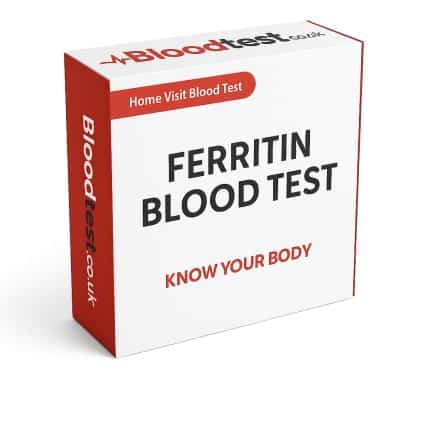

In Southampton, awareness regarding the effects of iron deficiency is increasing. Many people may not recognise symptoms linked to low iron levels, such as debilitating tiredness or breathlessness. Regular blood testing is a vital tool for detecting these issues before they worsen, allowing for more effective health management.
Local healthcare systems are increasingly advocating for routine screenings, particularly for high-risk groups such as pregnant women, vegetarians, and individuals with chronic conditions. By focusing on early detection, healthcare professionals in Southampton can support residents in achieving and maintaining optimal health and wellbeing.
Key Blood Testing Methods Employed in Southampton
In Southampton, local clinics employ standard blood tests to accurately assess iron levels. The most prevalent methods include serum ferritin tests and haemoglobin assessments, both crucial for diagnosing iron deficiency. These tests provide essential insights into the body’s iron reserves and overall iron status.
Serum ferritin tests measure the ferritin protein, which is responsible for iron storage within the body. Low ferritin levels typically signify iron deficiency, while haemoglobin tests assess the oxygen-carrying capacity of red blood cells. Together, these tests deliver a comprehensive overview of an individual’s iron health.
Residents can access these testing methods through various healthcare providers, including NHS clinics and private laboratories. The availability of these tests guarantees that individuals in Southampton can receive prompt and effective evaluations of their iron levels, resulting in improved health outcomes.
What Influences the Accuracy of Iron Deficiency Testing?
Several factors can affect the precision of blood tests for iron deficiency. Dietary habits play a significant role; for example, a diet lacking in iron-rich foods can yield misleading results. Certain medical conditions, such as inflammation or chronic diseases, may disrupt iron metabolism, skewing test outcomes.
Healthcare providers in Southampton must consider these factors when interpreting test results. Recent illnesses or infections can cause temporary fluctuations in iron levels, complicating the diagnostic process. A comprehensive understanding of each patient’s unique circumstances is essential for accurate interpretation.
Specific medications can also affect test results. Some supplements or medications might interfere with iron absorption or metabolism, leading to inaccurate readings. Patients should always discuss their medical history and current medications with healthcare providers to ensure the most reliable test outcomes.
Insights from Experts on Blood Testing for Iron Deficiency in Southampton
Real-World Case Studies from Southampton Clinics
Healthcare professionals in Southampton provide valuable insights on interpreting blood test results for iron deficiency. Local clinics often share case studies of patients who initially presented with fatigue and subsequently discovered low iron levels through regular testing. These cases underscore the importance of awareness and proactive health management.
Clinicians stress the necessity of personalised advice based on individual test results. For instance, a patient with borderline ferritin levels may receive different recommendations compared to someone with significantly low levels. This tailored approach ensures that residents receive the most effective guidance for their specific health needs.
Healthcare providers in Southampton frequently collaborate to share best practices and enhance patient care. By discussing real-world cases, they refine their diagnostic methods and improve the quality of care provided to the community, ensuring everyone has access to accurate and timely health assessments.
How Can You Interpret Your Blood Test Results?
Understanding the results of blood tests is crucial for effective health management. Key markers to consider include ferritin levels, haemoglobin concentration, and transferrin saturation. Ferritin levels below 30 ng/mL typically indicate iron deficiency, while haemoglobin levels below 13 g/dL for men and 12 g/dL for women suggest anaemia.
Experts in Southampton recommend that patients engage with their healthcare providers to accurately interpret these results. For example, a low ferritin level may necessitate further exploration into dietary habits or underlying health conditions. Clear communication between patients and providers is vital for developing effective treatment plans.
Regular follow-up tests may also be necessary to monitor progress. Understanding how these results relate to overall health empowers individuals to take charge of their wellbeing. By remaining informed and engaged, residents can work alongside their healthcare providers to achieve optimal health outcomes.
Expert Recommendations for Ongoing Care Following Testing
After a blood test indicating iron deficiency, specialists advocate for a comprehensive follow-up care plan. This plan often includes dietary changes, such as increasing the intake of iron-rich foods like red meat, leafy greens, and legumes. Supplements may also be prescribed to support the replenishment of iron levels.
In Southampton, healthcare providers emphasise the importance of ongoing monitoring after initial treatment. Patients might require periodic blood tests to ensure their iron levels are improving and to adjust treatment plans as necessary. This continuous care helps prevent the recurrence of deficiency and related health complications.
Education plays a pivotal role in follow-up care. Patients are encouraged to learn about their condition and the factors that influence iron absorption, including vitamin C intake. By proactively managing their health, residents can significantly enhance their long-term wellbeing.
Evaluating Laboratory Standards in Southampton
Medical experts in Southampton carefully assess the laboratory standards employed for blood tests that detect iron deficiency. Accredited laboratories adhere to rigorous quality control measures to ensure accuracy and reliability in test results. This commitment to high standards is essential for effective diagnosis and treatment.
Essential standards include regular equipment calibration, compliance with national guidelines, and participation in external quality assessment programmes. These practices help maintain consistency in test results, enabling healthcare providers to make informed decisions based on trustworthy data.
Local laboratories utilise advanced technology to enhance testing accuracy. By continually updating their methodologies and following best practices, they ensure that residents in Southampton receive the highest quality diagnostic services available.
Assessing Access to Testing Services in Southampton
Accessing blood test services for iron deficiency in Southampton is facilitated through a variety of options. Residents can choose between NHS services and private providers, each offering a range of testing opportunities. This diversity ensures that individuals can find a service that aligns with their needs and preferences.
NHS clinics provide essential testing services at no cost to patients, making them an accessible option for many. Conversely, private clinics may offer quicker turnaround times and additional services, catering to those who prefer a more personalised approach to their healthcare. This dual system accommodates diverse patient needs throughout the community.
Healthcare specialists in Southampton also highlight the importance of timely access to testing. Delays in diagnosis can exacerbate health conditions, so ensuring that residents can easily access blood tests is a priority for local healthcare providers. This commitment to accessibility supports the overall health and wellbeing of the community.
What Are the Essential Steps in the Blood Test Process?
Understanding Blood Sample Collection Procedures
The process of testing for iron deficiency begins with a simple blood draw at accredited facilities in Southampton. Trained healthcare professionals follow strict protocols to ensure safety and accuracy throughout the procedure. Patients typically visit a clinic or laboratory, where staff are ready to assist them.
Upon arrival at the facility, patients usually need to provide basic information and may be required to sign consent forms. The blood draw itself involves using a sterile needle to collect a small sample, typically from a vein in the arm. This process is quick and generally well-tolerated, causing minimal discomfort for most individuals.
Once the sample is collected, it is sent to a laboratory for analysis. Here, specialised equipment evaluates various markers related to iron levels, including ferritin and haemoglobin. The entire procedure is designed to be efficient and streamlined, ensuring that patients receive timely results to inform their health management.
Typical Turnaround Times for Test Results
In Southampton, results from blood tests for iron deficiency are typically available within a few days. Many local laboratories prioritise efficiency, allowing healthcare providers to obtain essential data swiftly to guide patient care. This promptness is crucial for effective health management.
Patients can generally expect their results within 48 to 72 hours, depending on the specific tests conducted and the laboratory’s workload. Some clinics may even offer same-day results for certain tests, providing added convenience for individuals seeking immediate answers regarding their health.
Quick access to test results enables healthcare professionals to initiate appropriate treatment plans without unnecessary delays. For residents of Southampton, this swift process is a vital component of effective healthcare, ensuring that individuals can address iron deficiency issues as soon as they arise.
Laboratory Standards Throughout the United Kingdom
Accredited laboratories in the <a href="https://electroquench.com/united-kingdoms-rich-history-and-culture-uncovered/">United Kingdom</a> maintain rigorous quality controls for iron deficiency testing. These standards are vital for ensuring accurate and reliable results, which are essential for effective diagnosis and treatment. Key standards include:
- ISO 15189 accreditation for medical laboratories
- Regular calibration and maintenance of equipment
- Participation in external quality assessment programmes
- Adherence to national guidelines for laboratory practices
- Comprehensive training and competency evaluations for staff
These practices guarantee that laboratories consistently deliver accurate results, crucial for patient safety and effective health management. In Southampton, local labs comply with these stringent standards, reinforcing their commitment to quality care.
Continuous training and education for laboratory staff are crucial for maintaining high standards. Staying informed about the latest advancements in testing technologies and methodologies ensures that residents receive the best possible diagnostic services available.
Understanding Pre-Test Preparation Requirements
Before undergoing a blood test for iron deficiency at facilities in Southampton, patients must adhere to specific preparation guidelines. This may include fasting for a certain period, as advised by healthcare providers. Fasting helps ensure that test results are not influenced by recent food intake, leading to more accurate readings.
Patients should also discuss any medications or supplements they are taking with their healthcare provider. Some substances can interfere with test results, necessitating adjustments prior to testing. Clear communication is essential for ensuring the accuracy of the blood test.
Patients are encouraged to wear loose-fitting clothing to facilitate the blood draw. This not only enhances comfort during the procedure but also allows healthcare professionals to access the vein more easily. Adhering to these pre-test preparation requirements is crucial for optimal testing outcomes.
Evidence-Based Benefits of Blood Testing for Iron Deficiency in Southampton
Enhancing Health Management Outcomes
Regular testing for iron deficiency enables proactive management of iron levels among residents in Southampton. By identifying deficiencies early, healthcare providers can implement targeted interventions, thereby reducing the risks associated with low iron. This proactive approach is essential for maintaining overall health and wellbeing.
Research indicates that individuals who undergo regular blood tests for iron deficiency achieve significantly better health outcomes. By monitoring iron levels, healthcare providers can adjust treatment plans as necessary, ensuring that patients receive the most effective care tailored to their unique needs.
Regular testing can aid in preventing the onset of more severe health issues, such as anaemia. By addressing iron deficiency promptly, residents can avoid complications that may arise from untreated conditions, promoting a healthier and more active lifestyle.
Practical Steps for Patients to Boost Iron Levels
Upon receiving blood test results that indicate iron deficiency, individuals in Southampton can follow structured plans to improve their iron levels. These plans typically involve dietary changes, such as incorporating more iron-rich foods into their daily meals. Foods such as red meat, fish, beans, and fortified cereals are excellent sources of iron.
Healthcare providers may also recommend iron supplements, particularly for those with more significant deficiencies. Patients should consult with their doctors before beginning any supplementation to ensure they are taking appropriate dosages and types of iron.
To dietary changes and supplements, patients are encouraged to adopt lifestyle modifications that enhance iron absorption. For instance, consuming vitamin C-rich foods alongside iron sources can improve absorption. By following these actionable steps, residents can effectively manage their iron levels and enhance their overall health.
Long-Term Advantages for Southampton Residents
Consistent screening for iron deficiency contributes to sustained wellbeing among Southampton residents. By prioritising regular blood tests, residents can detect and address iron-related issues before they develop into more serious health conditions. This proactive strategy fosters a healthier community overall.
Long-term benefits of regular testing include a reduction in the prevalence of anaemia and improved energy levels. Residents who effectively manage their iron levels often experience a better quality of life, enabling them to engage more fully in daily activities and responsibilities.
Early detection and treatment of iron deficiency can facilitate better long-term health outcomes. By addressing these issues promptly, residents can minimise the risk of complications, ensuring they remain healthy and active as they age.
Research-Backed Benefits of Early Detection
Studies highlight the importance of blood tests for the early detection of iron deficiency. These tests enable healthcare providers to identify issues before they progress, allowing timely interventions that significantly enhance health outcomes for residents in Southampton.
Early detection through blood testing has been shown to decrease the occurrence of anaemia and related complications. By identifying deficiencies early, healthcare providers can formulate targeted treatment plans, ensuring that patients receive the necessary support to maintain optimal health.
In line with broader United Kingdom medical guidelines, early detection practices contribute to improved public health metrics. By prioritising routine blood tests for iron deficiency, healthcare systems can enhance the overall wellbeing of communities, thereby reducing the burden of iron-related health issues.
Evidence-Based Public Health Improvements
Evidence from numerous studies indicates that the widespread implementation of blood tests for iron deficiency contributes to enhanced public health metrics. By lowering the prevalence of anaemia within communities in Southampton, healthcare providers can significantly improve population health outcomes.
Regular blood testing for iron deficiency allows for the identification of at-risk individuals, enabling targeted interventions. This proactive strategy benefits not only individuals but also alleviates the overall strain on healthcare systems, leading to improved health metrics across the region.
Public health initiatives that promote awareness and accessibility of blood testing services are essential for sustaining these improvements. By ensuring that residents have access to necessary testing, Southampton can continue to enhance community health and wellbeing, aligning with national health objectives.
What Preparation Is Required Prior to Testing?
Dietary Modifications Prior to Testing
Patients in Southampton are encouraged to adhere to specific dietary guidelines before undergoing blood tests for iron deficiency. Consuming a balanced diet rich in iron can provide a clearer picture of iron levels during testing. It is advisable to refrain from taking iron supplements in the days leading up to the test, as they may distort results.
Healthcare providers often recommend minimising the intake of certain foods that can inhibit iron absorption, such as dairy products and caffeine, before testing. This ensures that the blood sample accurately reflects the body’s iron status, leading to more trustworthy results.
Staying hydrated is also vital. Patients should drink plenty of water before their appointment, as proper hydration can facilitate the blood draw process. Following these dietary modifications can significantly enhance the accuracy of iron deficiency testing for residents in Southampton.
Medications to Discuss with Healthcare Providers
Certain medications and supplements may interfere with blood test results for iron deficiency, making it essential for patients to discuss their current regimen with healthcare providers. For instance, antacids and some antibiotics can affect iron absorption and metabolism, potentially leading to inaccurate results.
Patients should prepare a comprehensive list of all medications, including over-the-counter drugs and herbal supplements, to share with their healthcare provider. This information enables clinicians to make informed decisions regarding testing and treatment plans based on the individual’s specific circumstances.
Open communication about medications not only ensures accurate testing but also promotes patient safety. By addressing potential interactions before testing, healthcare providers in Southampton can help residents achieve the most reliable results and effective treatment outcomes.
Clarifying Fasting Requirements
Some blood tests for iron deficiency require fasting for optimal accuracy. In Southampton, healthcare providers typically recommend fasting for 8 to 12 hours before the test. This involves abstaining from all food and drink, except for water, during this period to prevent any interference with test results.
Fasting helps ensure that the blood sample accurately reflects the body’s iron levels without the influence of recent dietary intake. Patients should follow specific instructions provided by their healthcare provider to achieve the best possible outcomes.
Residents need to plan accordingly for fasting requirements and schedule their tests at convenient times. By adhering to fasting guidelines, patients can contribute to the accuracy of their blood tests and ensure effective management of their iron levels.
Selecting Suitable Attire for Blood Draws
When preparing for a blood draw in Southampton, patients are advised to wear loose-fitting clothing. This facilitates easier access to the arm for blood sample collection, ensuring both comfort and efficiency during the procedure. Loose sleeves can assist healthcare professionals in locating veins more easily.
Comfortable clothing also alleviates anxiety for patients who may feel apprehensive about the blood draw process. By minimising discomfort, individuals are more likely to have a positive experience during their appointment.
Dressing in layers can be beneficial, as some clinics may have varying temperatures. Patients should aim for a relaxed and comfortable outfit to enhance their overall experience during the blood test for iron deficiency.
The Significance of Sharing Medical History
Individuals undergoing blood tests for iron deficiency in Southampton must inform healthcare providers about their medical history and any allergies. This information is crucial for preventing complications during testing and ensuring an accurate diagnosis.
Disclosing previous conditions, such as gastrointestinal disorders or chronic illnesses, can assist healthcare providers in understanding potential factors affecting iron levels. This thorough approach allows for more accurate interpretation of test results and tailored treatment plans.
Patients should also mention any allergies, particularly to latex or certain antiseptics, to avoid adverse reactions during the blood draw. By prioritising open communication with healthcare providers, residents can enhance the safety and effectiveness of their iron deficiency assessments.
Locating Local Clinics for Testing in Southampton
Available NHS and Private Blood Testing Options
Residents in Southampton have access to both NHS and private providers offering blood tests for iron deficiency. NHS clinics deliver essential testing services at no cost, ensuring that all individuals can receive necessary health assessments. This accessibility is vital for promoting community health and wellbeing.
Private clinics also provide blood testing services, often with shorter wait times and more personalised care. These facilities may offer additional services, such as comprehensive health assessments and tailored treatment plans, catering to those who prefer a bespoke approach to their healthcare.
The availability of both NHS and private options guarantees that residents can select the service that best meets their needs and preferences. This variety supports timely and effective management of iron deficiency throughout the community.
Efficient Appointment Booking Methods
Booking appointments for blood tests in Southampton is streamlined through various online systems and phone lines. Many clinics offer user-friendly platforms for scheduling, enabling residents to choose convenient times for their tests. This efficiency is crucial for ensuring timely access to necessary healthcare services.
Patients can typically select their preferred clinic, view available appointment slots, and receive confirmation swiftly. This ease of access helps to reduce barriers to testing, encouraging more individuals to prioritise their health and wellbeing.
Some clinics may offer walk-in blood test services, providing added flexibility for those with busy schedules. By facilitating efficient appointment booking, healthcare providers in Southampton support residents in managing their iron deficiency effectively.
Financial Considerations for Patients
Fees for blood tests for iron deficiency in Southampton can vary depending on the provider. NHS services typically offer testing free of charge to patients, making them a cost-effective option for residents. This accessibility is crucial for promoting community health and ensuring that everyone can receive necessary assessments.
Private clinics may impose fees for their services, which can range considerably based on the facility and the specifics of the test. Typical costs for private blood tests may include:
- Basic iron panel: £30 – £50
- Comprehensive iron studies: £60 – £100
- Follow-up tests: £20 – £40
- Consultation fees: £50 – £100
Patients should consider their budget and preferences when selecting between NHS and private options. By understanding the financial implications, residents can make informed decisions about their healthcare.
Frequently Asked Questions
What does a blood test for iron deficiency entail?
A blood test for iron deficiency measures iron levels in the body, typically through markers such as ferritin and haemoglobin. These tests help diagnose conditions like anaemia and assess overall iron status.
How frequently should I be tested for iron deficiency?
The frequency of testing varies based on individual risk factors. Generally, those at higher risk, such as pregnant women or individuals with chronic illnesses, may require more frequent testing, while others might be tested annually.
What are the common symptoms of iron deficiency?
Common signs of iron deficiency include fatigue, weakness, pale skin, shortness of breath, and dizziness. If you experience these symptoms, it is advisable to consult a healthcare provider for testing.
How long does it typically take to receive test results?
In Southampton, blood test results for iron deficiency are usually available within 48 to 72 hours. Some clinics may even provide same-day results for specific tests, offering swift access to essential information.
Can I eat before the test?
Fasting is often recommended prior to blood tests for iron deficiency. Patients should refrain from food and drink, except for water, for 8 to 12 hours before testing to ensure optimal accuracy.
Are there risks associated with blood tests?
Blood tests are generally safe, with minimal risks involved. Some individuals may experience slight discomfort or bruising at the needle site. Serious complications are rare, making blood tests a routine procedure.
What should I wear for a blood test?
Patients are advised to wear loose-fitting clothing, particularly short sleeves, to facilitate easy access to the arm for blood draws. Comfortable attire can help alleviate anxiety during the procedure.
What happens if my test results reveal low levels?
If test results indicate low iron levels, healthcare providers will recommend a follow-up care plan, which may include dietary modifications, iron supplements, or further testing to identify underlying causes.
Is it possible to get tested privately?
Yes, residents in Southampton can access private clinics for blood tests for iron deficiency. Private services often provide quicker results and more personalised care compared to NHS options.
How do I schedule an appointment for a blood test?
Appointments can be booked online or via phone at local clinics in Southampton. Many facilities offer user-friendly scheduling systems, making it simple for patients to find convenient times.
Connect with Us on Facebook!

This Article Was Originally Published On https://bloodtest.co.uk
The Article Iron Deficiency Blood Test Available in Southampton can be found first on https://electroquench.com