Your Ultimate Guide to Understanding Cholesterol Blood Tests in Epsom
What is the Purpose of a Cholesterol Blood Test?
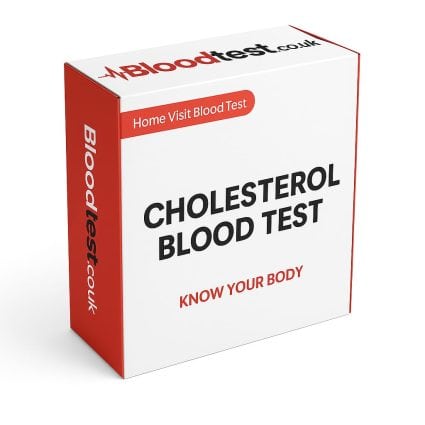
Private Cholesterol Blood Test in Epsom: A cholesterol blood test is an essential diagnostic tool that measures the levels of different lipids in your bloodstream, which are crucial for determining heart health risks. In the UK, these tests are readily accessible via NHS services, with numerous local clinics in Epsom dedicated to preventive healthcare. By undertaking these tests, individuals can acquire critical insights into their health status, empowering them to take proactive steps towards better heart wellbeing.

By providing critical data, these tests allow patients to take informed steps towards effectively managing their health, facilitating informed decisions that can enhance their cardiovascular wellbeing and overall lifestyle.
How is the Cholesterol Testing Procedure Conducted in the UK?
In the UK, the standard NHS protocol for cholesterol testing involves a simple and swift blood draw. Patients are typically advised to fast for at least 12 hours prior to the test to ensure accurate results. When preparing for a cholesterol blood test in Epsom, individuals should book an appointment with their GP or local clinic, confirm fasting guidelines, and gain a thorough understanding of the procedure to alleviate any concerns or anxieties they may have.
What Factors Impact the Accuracy of Cholesterol Tests in the UK?
Several lifestyle factors can greatly influence the accuracy of cholesterol test results. Both diet and exercise play a crucial role, making it vital to follow UK health recommendations to achieve reliable outcomes. To ensure optimal results, consider these key recommendations: maintain a diet rich in fruits and vegetables, avoid high-fat and processed foods in the days leading up to the test, engage in regular physical activity that conforms to UK health standards, stay well-hydrated by drinking plenty of water before the test, and limit alcohol consumption, ideally a few days before testing.
- Maintain a balanced diet abundant in fruits and vegetables.
- Steer clear of high-fat and processed foods prior to the test.
- Participate in regular physical activity, in line with UK guidelines.
- Stay hydrated by consuming ample water before the test.
- Reduce alcohol intake, particularly a few days before testing.
How to Make Sense of Cholesterol Test Results in the UK
In Epsom, interpreting cholesterol test results focuses on three main components: LDL (low-density lipoprotein), HDL (high-density lipoprotein), and total cholesterol. Healthcare professionals refer to the NICE guidelines to assess these values, explaining the potential health implications associated with each level. Patients receive tailored recommendations aimed at boosting their heart health, ensuring that they leave the consultation with a clear understanding of their health profile and any lifestyle modifications that may be necessary.
How to Access Cholesterol Testing Services in Epsom
Residents of Epsom can conveniently access cholesterol testing at NHS GP surgeries or local clinics, which provide affordable and trustworthy services. The British Heart Foundation encourages individuals aged 40 or older, or those with specific health risks, to arrange for appointments promptly. Early detection is vital, and these services play a significant role in effectively managing cardiovascular health within the community, fostering a proactive approach to health monitoring.
Essential Preparations for Your Cholesterol Blood Test
What Dietary Adjustments Should You Make Before the Test?
In the UK, it is highly recommended to avoid fatty foods for at least 12 hours before undergoing a cholesterol blood test. This dietary change is in line with NICE guidelines, ensuring that your test results accurately reflect your lipid levels. By properly preparing and adhering to this guidance, you can significantly improve the interpretation of your results, leading to more effective management of your heart health and overall wellbeing.
Who Should Prioritise Getting This Cholesterol Test in Epsom?
This cholesterol test is particularly crucial for individuals categorized under UK health criteria, especially those over the age of 40 or those with a family history of heart disease. Statistics reveal that the incidence of heart disease in the UK is notably significant, highlighting the need for proactive health measures. If you are unsure about your eligibility for this test, it is advisable to consult your GP, who can evaluate your risk factors and confirm the necessity for this essential assessment.
What Appointment Options Are Available for Local Cholesterol Testing?
Patients in Epsom have a variety of options when scheduling appointments for a cholesterol blood test, whether they choose NHS facilities or private clinics. Generally, NHS facilities offer shorter waiting times, while private clinics may provide more flexible scheduling options. It is essential to compare waiting times and costs across the region to ensure you select the option that best meets your needs and financial situation.
What Are the Fasting Guidelines for Cholesterol Testing?
The NHS recommends fasting for at least 12 hours prior to a cholesterol test to ensure accurate measurements. Food intake can significantly alter lipid levels, potentially leading to misinterpretations of your health status. Adhering to these fasting guidelines is crucial for obtaining reliable results that truly reflect your cholesterol levels, thereby laying the groundwork for effective health assessments and informed decision-making.
How to Manage Your Medications Before Your Cholesterol Test?
Before undergoing a cholesterol test, patients in the UK are encouraged to consult their GP regarding the potential necessity to pause specific medications, particularly statins. Following NICE guidelines, this precautionary measure helps to prevent any influence these medications may have on test results, ensuring that the measurements obtained are precise and consistent with recommendations from the Royal College of Physicians.
Expert Perspectives on Cholesterol Blood Testing in Epsom
How Do UK Experts Evaluate Cholesterol Test Results?
UK specialists interpret cholesterol test results based on guidelines established by well-respected organisations such as the British Heart Foundation. Based on standard interpretations of LDL, HDL, and total cholesterol levels, patients receive actionable recommendations, including lifestyle modifications, to enhance their health outcomes. This expert guidance is crucial for making informed decisions regarding your cardiovascular health and overall wellness.
What Innovative Techniques Are Employed for Cholesterol Testing in Epsom?
Modern NHS laboratories in Epsom utilise innovative techniques for cholesterol testing, ensuring both accuracy and efficiency. Key advantages of these methodologies include increased precision in lipid level measurements, quicker turnaround times for test results, enhanced patient comfort during sample collection, and improved integration of results with electronic health records.
These advancements reflect the commitment of local healthcare providers to maintain high standards in health assessments, fostering trust and reliability in the testing process.
- Increased precision in lipid level measurements.
- Quicker turnaround times for test results.
- Enhanced patient comfort during sample collection.
- Improved integration of results with electronic health records.
Why is Regular Cholesterol Testing Essential in Epsom?
Regular cholesterol testing is strongly emphasised as part of ongoing health monitoring in Epsom, aligning with UK standards. Experts advocate for preventive strategies tailored to the specific demographics of the area, considering factors such as age, lifestyle, and family history. This proactive approach allows for early identification of potential risks, facilitating timely interventions that can significantly improve health outcomes and decrease the incidence of cardiovascular diseases.
How Does Cholesterol Testing in Epsom Align with National Guidelines?
In Epsom, cholesterol testing is meticulously aligned with guidelines established by NICE and the British Heart Foundation. This alignment ensures that test results inform personalised health plans, encouraging early intervention and comprehensive long-term monitoring strategies. The integration of these practices is essential for promoting better cardiovascular health outcomes for residents, ultimately contributing to the overall wellbeing of the community.
What Lifestyle Recommendations Do Experts in Epsom Provide Based on Cholesterol Test Results?
Experts in Epsom provide tailored lifestyle advice based on cholesterol test results, drawing on UK research. Patients receive guidance on dietary changes, exercise routines, and smoking cessation strategies to effectively manage their cholesterol levels. These recommendations align with NHS guidelines and are designed to prevent heart disease while enhancing overall wellbeing through sustainable lifestyle changes that promote a healthier future.
Understanding the Significance of Your Cholesterol Blood Test Results
How Are Elevated Cholesterol Levels Categorised in the UK?
High cholesterol levels are classified in the UK according to NHS categories for LDL and HDL cholesterol. LDL is commonly known as “bad” cholesterol due to its association with an increased risk of heart disease, while HDL is termed “good” cholesterol for its role in removing LDL from the bloodstream. For instance, levels exceeding 4.0 mmol/L for total cholesterol may indicate a heightened risk of heart disease, as highlighted by findings from various British health surveys.
What Follow-Up Steps Are Necessary After Receiving Abnormal Cholesterol Results?
Upon receiving abnormal cholesterol results, it is crucial to consult with your GP in Epsom. They will discuss the implications of your cholesterol levels and may suggest various treatment pathways, including lifestyle changes, dietary modifications, or medications. Taking prompt and informed action is vital for effectively managing your heart health and mitigating potential risks associated with elevated cholesterol levels.
Can Lifestyle Changes Effectively Lower Cholesterol Levels?
Lifestyle modifications can indeed lead to a significant decrease in cholesterol levels, in line with UK health recommendations. Focus on adopting a diet high in fruits, vegetables, and whole grains while reducing saturated fats. Regular physical activity is equally crucial; aim for at least 150 minutes of moderate aerobic exercise each week, as this can greatly lower cholesterol levels and enhance overall health.
Research-Backed Advantages of Cholesterol Blood Testing in Epsom
What Evidence Supports the Need for Routine Cholesterol Testing in the UK?
Research conducted within the UK indicates that routine cholesterol testing plays a vital role in early detection and significantly reduces the risks associated with heart disease. The benefits of routine testing include identifying high cholesterol levels before complications develop, enabling informed healthcare decisions based on accurate data, promoting proactive lifestyle changes, and enhancing public awareness of cardiovascular health. These findings underscore the importance of regular testing in maintaining good health and preventing future health issues.
- Identification of high cholesterol levels before complications occur.
- Informed healthcare decisions based on accurate data.
- Promotion of proactive lifestyle changes.
- Increased public awareness of cardiovascular health.
How Does Cholesterol Testing Contribute to Overall Health Management?
Cholesterol testing integrates seamlessly with UK wellness programmes, playing an essential role in overall health management. Regular assessments enable health professionals to monitor trends in lipid levels, refine treatment plans, and provide personalised advice. This holistic approach leads to improved long-term outcomes for patients, encouraging healthier lifestyles and reducing the incidence of diseases related to elevated cholesterol levels.
Why is Cholesterol Testing Crucial for Certain Population Groups?
Cholesterol testing is particularly vital for at-risk demographics, as evidenced by British data. For example, individuals with a family history of heart disease, those living with obesity, or patients diagnosed with diabetes are strongly encouraged to undergo regular testing. Local health initiatives frequently target these groups to raise awareness and promote preventive measures that can significantly impact their health outcomes.
Why Opt for Epsom for Your Cholesterol Blood Test?
What Local Facilities Provide Trustworthy Cholesterol Testing Services?
Epsom clinics offer quick access to NHS cholesterol testing services, ensuring residents can obtain reliable health assessments. These facilities adhere to high-quality standards, making them a trusted option for individuals seeking to effectively monitor their cholesterol levels and overall heart health. By utilising local services, patients can benefit from personalised care and timely results.
How Does the Cost of Cholesterol Testing Compare in the UK Context?
When considering cholesterol testing in Epsom, patients can choose between NHS and private services. NHS facilities typically provide testing free at the point of use, while private clinics may charge varying fees. Real-world examples indicate that private tests can range from £50 to £150, depending on the provider and the tests included in the package. Comparing costs and services helps patients make informed decisions.
What Patient Support Is Available After Your Test?
After undergoing a cholesterol test, patients can access a variety of resources from UK health services. This includes follow-up consultations with their GP to discuss results, online support groups, and educational materials. Residents in Epsom are encouraged to leverage these resources to enhance their understanding of cholesterol management and cardiovascular health, empowering them to take charge of their wellbeing.
Proven Approaches for Managing Cholesterol in Epsom
How Can Diet Plans Assist in Controlling Cholesterol Levels According to UK Guidelines?
Diet plans that adhere to the UK Eatwell Plate recommendations can significantly assist in managing cholesterol levels effectively. These guidelines advocate for a balanced intake of macronutrients, emphasising the reduction of saturated fats while promoting healthy fats, whole grains, and ample fruits and vegetables. Implementing these dietary strategies within the Epsom community can lead to improved health outcomes and enhance overall wellbeing.
What Exercise Regimens Are Recommended Locally for Cholesterol Management?
Encouraging physical activity is crucial for managing cholesterol levels. In Epsom, various community programmes motivate residents to engage in activities such as walking groups, cycling clubs, and fitness classes. These initiatives, aligned with British health recommendations, create supportive environments for individuals seeking to enhance their cardiovascular health through regular exercise, ultimately improving their quality of life.
Why is it Beneficial to Combine Testing with Lifestyle Changes?
Integrating cholesterol testing with lifestyle modifications creates a comprehensive approach that UK experts strongly advocate. By making informed dietary choices, increasing physical activity, and maintaining regular health check-ups, individuals can significantly improve the effectiveness of cholesterol management. This holistic perspective ensures sustainability in health improvements over time, promoting long-term cardiovascular health.
What Local Support Groups in Epsom Can Assist with Cholesterol Management?
In Epsom, numerous community-based initiatives and NHS partnerships offer support groups focused on cholesterol management. Joining these groups can provide individuals with valuable peer support and education, enhancing their long-term strategies for maintaining healthy cholesterol levels. These initiatives are designed to align with UK guidelines, fostering a sense of community and shared commitment to health improvement.
Next Steps After Your Cholesterol Blood Test in Epsom
How to Review and Understand Your Cholesterol Test Results?
To effectively review and understand your cholesterol test results, it is advisable to consult with health professionals who can provide detailed explanations and insights. UK health resources often offer comprehensive guidance on interpreting test results, helping patients grasp the significance of their findings and plan the most appropriate next steps for their health.
What Preventive Actions Should You Take Following Your Test?
After your cholesterol test, adopting preventive actions is paramount. Engage with local support groups for ongoing education and motivation. Implementing lifestyle changes based on your results, such as dietary adjustments and increased physical activity, can greatly enhance your heart health and overall wellbeing, fostering a proactive approach to health management.
How Often Should You Get Retested in Epsom?
The frequency of retesting should adhere to UK recommendations, typically every 4-5 years for individuals with normal cholesterol levels. However, those with elevated levels or specific risk factors may require more frequent testing. It is advisable to consult your GP in Epsom for personalised guidance on scheduling your cholesterol tests.
Frequently Asked Questions (FAQs)
What is the Primary Function of a Cholesterol Blood Test?
A cholesterol blood test measures lipid levels in your blood to assess cardiovascular health and identify potential risks for heart disease.
How Frequently Should I Undergo a Cholesterol Test?
It is generally advised to have your cholesterol tested every 4-5 years if your levels are normal. Individuals with elevated levels or risk factors may require more frequent tests to monitor their health.
Is it Permissible to Eat Before a Cholesterol Test?
No, it is recommended to fast for at least 12 hours prior to a cholesterol test to ensure accurate results and reliable assessments of your lipid levels.
What Do LDL and HDL Represent?
LDL stands for low-density lipoprotein, often termed “bad” cholesterol. In contrast, HDL stands for high-density lipoprotein, recognised as “good” cholesterol, which aids in removing LDL from the bloodstream and protecting heart health.
What Should I Do If My Cholesterol Levels Are Elevated?
If your cholesterol levels are high, consult with your GP for personalised advice, which may encompass dietary changes, exercise, and potentially medications to manage your health effectively.
Are There Any Risks Associated with Cholesterol Testing?
Cholesterol testing is generally safe, with minimal risks involved. Some individuals may experience slight discomfort or bruising at the site of the blood draw, but these effects are typically temporary.
What Lifestyle Adjustments Can Aid in Lowering Cholesterol?
Incorporating a balanced diet low in saturated fats, engaging in regular physical activity, and quitting smoking can effectively lower cholesterol levels and improve overall heart health.
Why is Cholesterol Testing Significant?
Cholesterol testing is crucial for early detection of heart disease risk, enabling proactive management and lifestyle modifications to enhance heart health and prevent future complications.
How Can I Locate a Cholesterol Testing Service in Epsom?
You can find cholesterol testing services at local NHS GP surgeries or private clinics in Epsom. It is advisable to check for appointment availability and associated costs beforehand.
What Role Does Diet Play in Cholesterol Management?
Diet plays a vital role in cholesterol management; consuming a diet rich in fruits, vegetables, whole grains, and healthy fats can help maintain healthy cholesterol levels and support overall cardiovascular health.
Connect with us on Facebook!
This Article Was First Found On https://bloodtest.co.uk
The Article Cholesterol Blood Test: Your Essential Guide in Epsom found first on https://electroquench.com