Your Ultimate Resource for Electronics Clearance: Protecting Our Planet
Adopting Electronics Clearance: A Commitment to E-Waste Sustainability

In the UK, it is crucial to comprehend the cost of clearing electronics as it plays a vital role in the responsible recycling or disposal of electronic devices. This understanding is essential to avert serious environmental damage. As the volume of electronic waste rapidly increases, it becomes imperative for both consumers and businesses to recognise the significance of proficient electronics clearance. Implementing proper disposal methods is critical to prevent hazardous materials like lead and mercury from seeping into the ground, which poses risks to water supplies and public health. Furthermore, effective clearance practices facilitate the recovery of precious materials that can be reused in the creation of new products, promoting a sustainable cycle that benefits the environment significantly.
Recently, the surge in consumer electronics across the UK has led to a staggering accumulation of electronic waste. As devices reach their operational limits or malfunction, many individuals are often left in the dark regarding how to dispose of them responsibly. Therefore, understanding the principles of electronics clearance transcends mere compliance with regulations; it embodies a commitment to making ethical choices that advance environmental sustainability and contribute to a healthier planet.
The Significant Role of Responsible Electronics Clearance in Environmental Conservation
The importance of engaging in proper electronics clearance cannot be emphasised enough. With the widespread use of electronic devices, the rapid increase in e-waste is becoming a pressing concern. If not managed correctly, improper disposal can result in substantial environmental harm, including the contamination of vital soil and water resources. Hence, responsible clearance methods are crucial for mitigating the ecological impact associated with electronic waste.
Moreover, following best practices in electronics disposal aligns with broader societal goals, such as fulfilling the UK's environmental objectives and promoting sustainability initiatives. By prioritising responsible electronics clearance, both individuals and organisations can make a significant difference, contributing to a healthier planet while fostering a culture of recycling and reuse. Furthermore, neglecting to comply with clearance regulations could lead to hefty fines and legal consequences, highlighting the importance of awareness and active participation in responsible disposal efforts.
Grasping Essential Legislation for Electronics Clearance in the UK
The UK has implemented a thorough set of regulations governing the recycling and disposal of electronics, with the Waste Electrical and Electronic Equipment (WEEE) Directive serving as a fundamental piece of legislation. This directive mandates that manufacturers assume responsibility for managing their products at the end of their lifecycle, ensuring that consumers receive critical information regarding the responsible disposal of their electronics.
In addition to the WEEE Directive, local authorities in the UK are required to adhere to specific guidelines for the collection and treatment of e-waste, enabling local services to manage these items safely. Non-compliance with these regulations can result in severe legal repercussions for both individuals and businesses. Familiarising oneself with these rules not only encourages responsible disposal but also raises public awareness of environmental stewardship, which is increasingly significant among citizens in the UK.
Exploring the Financial Implications of Electronics Clearance

Understanding Disposal Fees Associated with Electronic Devices
The financial implications surrounding the disposal of electronics can vary greatly depending on the type and size of the device involved. For smaller appliances, such as toasters or kettles, disposal fees may be relatively low, generally ranging from £5 to £15. Conversely, larger items like televisions and refrigerators can incur significantly higher costs, typically between £20 and £50. This disparity in disposal costs may discourage many individuals from clearing out their outdated electronics, ultimately contributing to rising waste levels.
It is vital to note that some local councils in the UK may incorporate disposal fees into council tax or designate specific collection days for e-waste, making the disposal process more accessible for residents. For businesses, the financial implications of electronics disposal can accumulate quickly, especially when dealing with larger volumes of devices. Being aware of these costs is essential for effective budgeting, as unexpected fees may arise, particularly when hazardous materials are involved.
Evaluating Recycling Expenses for Electronics
The recycling process for electronic devices often entails its own costs; however, some services provide free recycling options for specific items. Numerous retailers in the UK have embraced take-back schemes, which allow consumers to return old electronics at no extra cost when purchasing a new device. This initiative not only assists consumers in decluttering their homes but also promotes responsible recycling practices that benefit the environment.
Nevertheless, not every item qualifies for free recycling, and consumers may face charges for recycling certain devices. These fees can range from approximately £10 for smaller electronics to about £30 for larger items such as laptops or printers. Being well-informed about these costs enables households and businesses to better assess their options, facilitating educated decisions that contemplate both budget considerations and environmental impact.
Recognising Additional Expenses Linked to Electronics Clearance
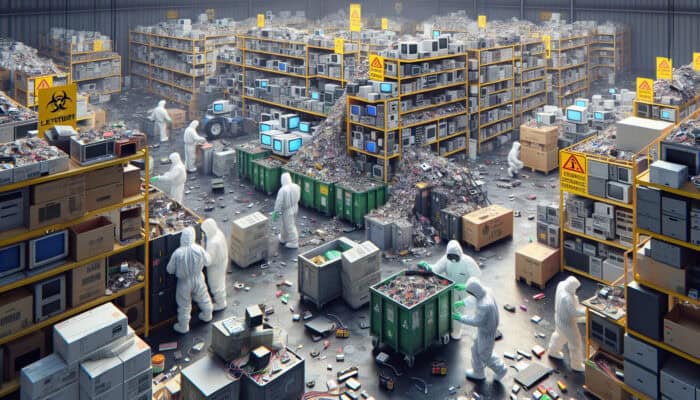
When engaging in the clearance of electronics, additional costs may arise, particularly for the specialised handling of hazardous materials or for disposing of large quantities of items. For example, the disposal of items containing lithium batteries or CRT monitors usually incurs extra charges due to the specialised procedures required for their secure handling. Fees for such items can range from £10 to £100, depending on the service provider and the complexity of the disposal process.
For businesses, these additional costs can become particularly pronounced, especially when clearing out old stock or office equipment. Careful planning and an understanding of potential extra costs can significantly influence overall clearance expenses. It is advisable for businesses to consult professional clearance services to obtain a detailed estimate of any possible fees before embarking on the clearance process.
The Critical Role of Data Destruction Fees in Electronics Clearance
A key aspect of electronics clearance is ensuring that sensitive data is securely erased from devices prior to disposal. The costs associated with data destruction can vary considerably, typically falling between £10 to £50 per device, depending on the method used. For instance, a straightforward factory reset may attract lower fees, while more secure methods, like physically destroying hard drives, tend to be positioned at the higher end of the pricing spectrum.
For businesses, investing in secure data destruction is not merely a financial consideration; it represents a critical step in safeguarding sensitive information. Numerous professional clearance services offer certified data destruction to ensure that breaches of vital data are averted. Understanding these fees is particularly crucial for businesses dealing with confidential information, as the long-term ramifications associated with a data breach can far surpass the expenses related to proper data destruction.
Implementing Practical Strategies for Effective Electronics Clearance
Utilising Local Council Services for Responsible Electronics Disposal
A wide array of local councils across the UK have established comprehensive electronics clearance services to assist residents in responsibly disposing of their electronic waste. Often funded through council tax, these services may include scheduled collection days for e-waste or designated recycling centres where residents can conveniently drop off their outdated devices. Such initiatives not only streamline the disposal process but also significantly reduce the environmental impact of electronic waste.
Local councils typically provide extensive guidelines regarding the types of electronics they accept and whether any associated fees apply. Councils may also partner with private recycling companies to ensure effective processing of electronic waste. By engaging with local services, individuals contribute to a sense of community responsibility while supporting the UK‘s overarching recycling goals, making it a practical and eco-friendly choice for responsible electronics disposal.
Collaborating with Private Recycling Companies for Comprehensive Solutions
While local council services offer invaluable support, many individuals and businesses may choose to partner with private recycling companies for their electronics clearance needs. These firms typically provide a complete range of services, including collection, recycling, and data destruction. Although generally more expensive than council services, private recycling companies may offer enhanced convenience and specialised expertise, particularly for businesses dealing with large volumes of electronic waste.
Private firms often emphasise their commitment to environmentally responsible practices, ensuring that all materials are recycled sustainably. This transparency is especially appealing to businesses striving to enhance their sustainability credentials. Moreover, many of these companies can customise their services to meet specific requirements, offering bulk clearance options or managed services that streamline the disposal process while ensuring compliance with relevant regulations.
Investigating DIY Clearance Alternatives for Affordable Disposal
For those looking to minimise expenses associated with electronics clearance, DIY options can provide a practical solution. Numerous designated recycling centres throughout the UK accept old electronics for free or at a very low cost. By researching local alternatives, individuals can uncover various opportunities for responsible disposal without incurring significant financial burdens.
When contemplating DIY options, it is essential to ensure that the recycling centres are certified and compliant with environmental regulations. Additionally, individuals should evaluate the types of electronics they wish to dispose of, as certain items may require special handling. Although DIY clearance may necessitate more effort, it empowers individuals to actively contribute to environmental sustainability while also achieving cost savings.
Assessing the Environmental Impact of Electronics Clearance
Strategies to Minimise Electronic Waste Through Responsible Practices
The rising volume of electronic waste poses a significant environmental challenge, particularly in the UK's urban areas. Effective electronics clearance is vital in alleviating this waste by ensuring that devices are recycled or disposed of safely and responsibly. By participating in responsible disposal practices, individuals and businesses can collectively reduce the amount of e-waste that ultimately ends up in landfills, where it can remain for years, leaching harmful substances into the environment.
Recycling electronics not only helps mitigate waste but also conserves precious natural resources. Valuable materials such as gold, silver, and rare earth metals can be extracted from outdated devices, helping to reduce the demand for new raw materials. This process is essential for fostering a circular economy, where resources are reused and recycled, yielding significant environmental benefits and promoting sustainability.
Safeguarding Natural Ecosystems from the Dangers of Electronic Waste
In the UK, improper disposal of electronics can have catastrophic effects on natural ecosystems. Toxic substances found in electronic devices, such as lead and cadmium, can infiltrate the soil and waterways, causing pollution of vital ecosystems. This presents a considerable risk to both wildlife and plant life, disrupting the delicate balance of natural habitats.
By prioritising responsible electronics clearance, individuals and organisations can significantly contribute to the protection of these essential ecosystems. Promoting a culture of sustainability not only safeguards the environment but also preserves biodiversity. The collective effort to responsibly clear electronics will have a lasting, positive impact on the UK’s natural landscapes, ensuring that future generations can enjoy a vibrant and healthy environment.
Enhancing Sustainability Through Responsible Electronics Clearance Practices
In an era where sustainability is a focal point of public discourse, responsible electronics clearance has emerged as a crucial element of eco-friendly practices. By participating in the proper disposal and recycling of electronic devices, consumers actively contribute to broader sustainability efforts within the UK. This not only enhances the credibility of individuals and organisations but also nurtures a culture centred around responsible consumption and waste management.
Communities that embrace sustainable electronics clearance practices can inspire others to follow suit, creating a ripple effect that encourages more individuals to consider their environmental impact. This collective movement supports the UK‘s objectives of reducing carbon emissions and conserving resources, establishing the nation as a leader in sustainability initiatives.
Reducing Carbon Footprint Through Effective Electronics Clearance Strategies
Responsible electronics clearance plays a significant role in lessening the carbon footprint associated with the production and disposal of electronic devices. By recycling electronics appropriately, the demand for new materials decreases, leading to fewer greenhouse gas emissions linked to extraction and manufacturing processes. This is particularly relevant in light of the UK’s commitment to achieving net-zero carbon emissions by 2050.
By choosing responsible electronics clearance, both individuals and businesses can actively combat climate change. This demonstrates a commitment to environmental responsibility, aligning with the UK’s long-term sustainability goals and contributing to a healthier planet for all.
Promoting Recycling Initiatives for a More Sustainable Future
The process of clearing electronics supports recycling initiatives that foster a circular economy, significantly reducing the demand for raw materials in the UK. By responsibly disposing of outdated devices, individuals contribute to a system where materials are reused, recycled, and reintegrated into the production cycle. This not only minimises waste but also conserves resources and mitigates environmental contamination.
Moreover, advocating for recycling initiatives raises awareness regarding the environmental implications of electronic waste. Educational campaigns and community programmes focused on responsible electronics clearance can empower individuals to make informed decisions about their electronic devices, leading to a broader cultural shift towards sustainability.
Unpacking Financial Support and Incentives for Electronics Clearance
Government Grants and Programmes Promoting Electronics Clearance Initiatives
The UK government offers a variety of grants and programmes tailored to assist both individuals and businesses with their electronic waste clearance efforts. These initiatives aim to encourage responsible disposal and recycling practices while alleviating the financial burden associated with electronic waste clearance. For instance, certain local councils may provide funding for businesses that adopt sustainable waste management strategies, including the recycling of electronics.
Furthermore, numerous non-profit organisations offer resources and support to help individuals and businesses navigate the complexities of electronics clearance, frequently providing guidance on available grants. Being aware of these opportunities can lead to substantial cost savings for those dedicated to responsible electronics disposal.
Identifying Tax Benefits for Businesses Committed to Electronics Clearance
For businesses investing in sustainable electronics clearance practices, potential tax advantages may be available. The UK government has introduced tax incentives to promote environmentally responsible business practices, including waste management and recycling efforts. By meticulously documenting expenses related to electronics clearance, businesses may qualify for tax deductions, thereby enhancing their overall financial position.
Understanding these tax benefits is critical for businesses looking to invest in sustainable practices. By incorporating electronics clearance into their operational strategies, companies can contribute to environmental sustainability while simultaneously improving their fiscal viability.
Implementing Effective Cost-Saving Strategies for Electronics Clearance
Individuals and businesses looking to reduce costs associated with electronics clearance can adopt several effective cost-saving strategies. One practical method is to engage in bulk clearance—consolidating multiple devices for disposal can often lead to reduced fees per item. Moreover, investigating local council services may reveal free or low-cost disposal options, enabling residents to declutter their electronics without incurring substantial expenses.
Another valuable tip is to explore take-back schemes provided by many retailers, which allow consumers to trade in old devices when purchasing new ones, often without incurring additional charges. By considering various options and planning ahead, individuals and businesses can achieve considerable savings while responsibly disposing of their electronics.
Evaluating Best Practices and Success Stories in Electronics Clearance
Showcasing Successful Electronics Clearance Initiatives
The UK has seen numerous successful electronics clearance initiatives that exemplify effective and environmentally sound methodologies. For example, several local councils have launched community-wide initiatives encouraging residents to participate in regular e-waste collection days. These projects not only facilitate responsible disposal but also enhance community engagement and awareness regarding the challenges posed by electronic waste.
Additionally, some businesses have implemented comprehensive electronics clearance strategies that integrate recycling practices into their operations. These initiatives not only minimise waste but also promote sustainability, yielding long-term financial benefits. Successful case studies provide valuable insights for others seeking to adopt similar practices, showcasing the potential advantages of responsible electronics clearance.
Learning from Previous Electronics Clearance Efforts
Evaluating past electronics clearance efforts offers important lessons that can inform future strategies. A common takeaway is the necessity for clear communication and education about electronics disposal options. Many individuals remain unaware of the available services and regulations, often resulting in improper disposal. Enhanced public awareness campaigns can significantly improve participation rates in recycling programmes.
Moreover, businesses must learn to anticipate potential challenges, such as unexpected fees or compliance issues. By proactively addressing these concerns and seeking expert advice, organisations can refine their electronics clearance strategies, reduce costs, and ultimately achieve more effective waste management practices.
Implementing Best Practices for Cost Management in Electronics Clearance
Organisations can adopt various best practices for effectively managing the costs associated with electronics clearance. Strategic planning is crucial—establishing a clear budget and timeline for clearance projects can help mitigate the risk of unforeseen expenses. Furthermore, involving stakeholders early in the process can streamline logistics, ensuring that all aspects of clearance are thoroughly considered.
Selecting the appropriate service providers is another essential component of cost management. Researching different options and comparing services empowers organisations to make informed decisions, identifying the most cost-effective and environmentally responsible choices. By implementing these best practices, individuals and businesses can achieve an efficient electronics clearance process while minimising their expenditures.
Ensuring Compliance with Electronics Clearance Regulations
Navigating the intricate array of regulations governing electronics clearance in the UK can be challenging; however, adherence to these guidelines is essential for avoiding penalties and fostering sustainable practices. Familiarising oneself with the WEEE Directive and local council regulations is a crucial first step.
Organisations should meticulously document their clearance practices to ensure compliance with all relevant laws and regulations. Collaborating with professional clearance services can provide additional assurance, as these experts possess extensive knowledge of current regulations and best practices. By prioritising regulatory compliance, individuals and businesses can enhance their sustainability efforts while minimising the risk of legal repercussions.
Addressing Frequently Asked Questions About Electronics Clearance
What does electronics clearance involve?
Electronics clearance encompasses the responsible disposal or recycling of electronic devices to prevent environmental damage whilst ensuring compliance with regulations.
Why is proper electronics clearance vital?
Proper electronics clearance reduces e-waste, protects the environment, and ensures compliance with UK regulations, thus preventing pollution and conserving valuable resources.
What are the possible costs linked to electronics clearance?
Costs can vary significantly based on the type and size of the device, ranging from disposal fees to recycling expenses, which may also include additional charges for hazardous materials.
What local services are available for electronics clearance?
Many local councils in the UK offer electronics clearance services, often included in council tax, providing scheduled collections or dedicated recycling centres for residents.
How can individuals pursue DIY electronics clearance?
Individuals can opt for DIY clearance by locating designated recycling centres that accept electronics, often at little or no cost.
What is the environmental impact of electronics clearance?
Responsible clearance reduces electronic waste, protects natural habitats, promotes sustainability, and helps to minimise the carbon footprint associated with electronics.
Are there financial incentives for engaging in electronics clearance?
Yes, the UK government provides grants and tax benefits to encourage sustainable electronics clearance efforts for both individuals and businesses.
What best practices can assist in managing clearance costs?
Effective planning, stakeholder involvement, and selecting suitable service providers are crucial for efficiently managing costs related to electronics clearance.
How can businesses ensure compliance with regulations?
Businesses should familiarise themselves with relevant regulations, document their clearance practices, and consider partnering with professional services for expert guidance.
What lessons can be derived from past electronics clearance initiatives?
Key insights emphasise the importance of public awareness, clear communication about disposal options, and the anticipation of challenges related to fees and compliance.
Join the Conversation on Facebook!
The Article: Cost of Clearing Electronics in the UK: A Comprehensive Guide Was First Found At https://birminghamhouseclearance.com
The Article Cost of Clearing Electronics in the UK Explained Was Found On https://limitsofstrategy.com
The Article Clearing Electronics in the UK: Understanding the Costs found first on https://electroquench.com