Thorough Examination of the FBC Test Available in Manchester
What is the FBC Test and Why is it Critical for Health?
Private FBC Test in Manchester: The FBC test, also known as the Full Blood Count test, is a vital diagnostic procedure that assesses multiple health indicators through a sample of blood. In Manchester, this essential test is performed across numerous clinics and hospitals, adhering to rigorous protocols to ensure results are consistent with NHS guidelines. This test is critical for the early identification of various health issues, facilitating timely medical responses and effective patient care management.
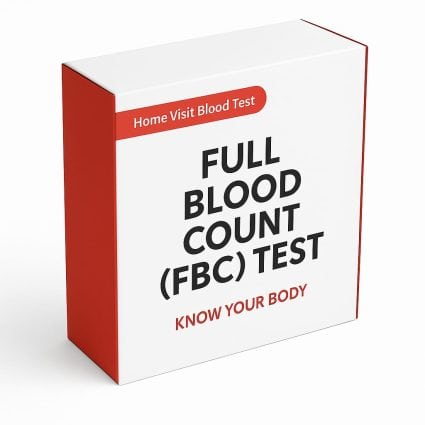

The main elements evaluated during an FBC test include:
- Red blood cells (RBCs)
- White blood cells (WBCs)
- Platelets
- Haemoglobin (Hb)
- Haematocrit (Hct)
- Mean corpuscular volume (MCV)
- Mean corpuscular haemoglobin (MCH)
- Mean corpuscular haemoglobin concentration (MCHC)
Each of these components plays a crucial role in evaluating overall health and can indicate a variety of medical conditions, ranging from anaemia to infections and more severe disorders. Therefore, the FBC test is a fundamental part of healthcare in Manchester, ensuring patients undergo thorough evaluations that lead to effective treatment strategies.
How has FBC Testing Progressed in the UK?
The development of FBC testing in the UK dates back to the mid-20th century, a time when blood testing methods were rudimentary and laborious. However, significant advancements in medical technology have revolutionised diagnostic testing. Manchester has emerged as a leader in this evolution, embracing innovative practices that enhance patient care while minimising invasive procedures. The incorporation of the FBC test into routine health assessments exemplifies these advancements, promoting early diagnosis and ongoing health monitoring within the comprehensive healthcare framework in the UK.
Historically, the FBC test has become an integral component of routine medical examinations, especially in Manchester, where healthcare providers advocate for its widespread use. This shift has not only improved diagnostic capabilities but has also emphasised the significance of preventative healthcare. Consequently, medical professionals in Manchester are now armed with more reliable tools to effectively monitor and manage patient health, ensuring that the community benefits from the latest advancements in medical science.
Exploring the Key Components of the FBC Test
Understanding the key components of the FBC test is vital for appreciating its role in diagnosing potential health issues. The test evaluates several essential elements, each providing unique insights into a patient’s overall health status. In Manchester, healthcare practitioners concentrate on these components, customising their analyses to align with local medical standards and practices.
For instance, red blood cells (RBCs) are crucial for transporting oxygen throughout the body, while white blood cells (WBCs) are essential for the immune response, defending against infections. Platelets play a critical role in blood clotting, preventing excessive bleeding. Haemoglobin levels indicate the blood’s ability to carry oxygen, while haematocrit reveals the proportion of blood volume comprised of RBCs. Additional components, such as mean corpuscular volume (MCV) and mean corpuscular haemoglobin (MCH), provide further insights into the size and concentration of these cells, thereby enhancing diagnostic precision.
Ultimately, the FBC test serves as a comprehensive tool for healthcare professionals in Manchester, empowering them to effectively and efficiently monitor and evaluate patient health.
What is the Process for Undergoing an FBC Test in Manchester?
What Are the Steps Involved in the FBC Test Process?
The procedure for performing an FBC test in Manchester is straightforward, prioritising patient comfort and satisfaction. Initially, a qualified healthcare professional explains the process, addressing any concerns the patient may have. Following this, a simple blood draw is conducted, typically from a vein in the arm. This procedure adheres to stringent UK safety protocols to minimise discomfort and ensure a sterile environment.
Once the blood sample is collected, it is securely packaged and sent to a laboratory for analysis. The laboratories in Manchester utilise cutting-edge technology and established best practices to efficiently analyse the samples. Patients can generally expect results within a short timeframe, enabling timely health decisions. This rapid turnaround is especially beneficial for managing urgent health concerns, allowing healthcare providers to offer prompt advice based on the findings.
Overall, Manchester’s commitment to rigorous safety standards in blood testing guarantees that patients receive not only accurate results but also a procedure focused on their well-being and comfort.
What Advantages Do Local Clinics Offer for Your FBC Test?
Choosing local clinics for the FBC test in Manchester provides numerous benefits, primarily due to their integration with the broader NHS framework. Local clinics offer easy access to testing services, which is particularly important for patients who may experience mobility challenges or other barriers to accessing healthcare. These clinics often provide personalised care, with healthcare professionals well acquainted with the specific needs of the Manchester community.
Moreover, clinics in Manchester frequently maintain established connections with other healthcare services, facilitating seamless follow-up care. If an FBC test uncovers abnormal results, patients can be swiftly referred to specialists for further evaluation and treatment. This coordinated approach ensures continuity of care, which is essential for effective health management.
Additionally, local clinics are typically equipped with the latest technology, ensuring that testing procedures meet current medical standards. The familiarity patients have with their local healthcare providers fosters trust, encouraging greater adherence to testing and follow-up recommendations.
What Should You Know About Preparing for Your FBC Test?
Preparation for the FBC test is crucial to ensure the accuracy of results. Patients in Manchester are generally advised to follow specific guidelines before undergoing the test. A common recommendation is to fast for a certain period beforehand, typically around 8 to 12 hours. This fasting period helps eliminate potential dietary influences that could affect blood components, particularly glucose and lipid levels.
Maintaining adequate hydration is equally important; drinking water prior to the test can facilitate a smoother blood draw and enhance overall comfort. Patients should also avoid strenuous exercise or any activities that could lead to dehydration or alter blood components in the hours leading up to the test.
Additionally, it is advisable for patients to inform their healthcare providers about any medications or supplements they are taking, as certain substances can impact test results. By adhering to these preparation guidelines, patients can significantly improve the reliability of their FBC test results, ensuring that the information used for diagnosis and treatment is as accurate as possible.
Expert Perspectives on the FBC Test in Manchester
What Advanced Techniques Are Employed in FBC Testing?
The analysis of FBC test results utilises advanced techniques that enhance diagnostic accuracy and improve patient outcomes. In Manchester, laboratories employ state-of-the-art equipment and methodologies that conform to the highest medical standards. For example, automated blood analysers can perform multiple tests simultaneously, significantly reducing turnaround times and facilitating rapid clinical decision-making.
Interpreting FBC results necessitates a nuanced understanding of the various components measured. Healthcare professionals in Manchester are trained to recognise patterns and anomalies that may indicate underlying health issues. For instance, elevated white blood cell counts could suggest infection or inflammation, while low red blood cell counts may indicate anaemia.
Moreover, the incorporation of artificial intelligence (AI) and machine learning in diagnostic laboratories is enhancing the precision of FBC analyses. These innovative technologies can help detect subtle changes in blood composition that may be overlooked by human observers, particularly in more complex cases. This level of sophistication in laboratory techniques not only improves the reliability of test results but also empowers healthcare providers to make informed decisions crucial for patient care.
What Are the Benefits of FBC Testing for Specific Populations?
FBC testing in Manchester offers significant advantages for vulnerable populations, including the elderly and individuals with pre-existing health conditions. For older adults, regular blood tests can assist in monitoring chronic diseases such as diabetes and heart disease, enabling healthcare providers to proactively adjust treatment plans. For example, tracking haemoglobin levels can aid in managing anaemia—a prevalent issue among older individuals—ensuring timely interventions that improve quality of life.
Moreover, specific community programmes in Manchester focus on providing accessible FBC testing for at-risk populations. These initiatives often include educational components that inform participants about the importance of regular screenings and how early detection can lead to better health outcomes. By tailoring testing strategies to meet the needs of diverse demographics, Manchester’s healthcare system exemplifies a commitment to equitable health access.
The advantages of FBC testing extend beyond immediate health monitoring. For instance, early detection of health issues can prevent disease progression, significantly reducing long-term healthcare costs. This proactive approach is particularly vital in public health initiatives aimed at alleviating the burden of chronic illnesses within the community.
What Are the Potential Risks Associated with the FBC Test?
While the FBC test is generally considered safe, potential risks exist that patients should be aware of. Common side effects may include slight bruising at the puncture site, discomfort during the blood draw, or, in rare cases, fainting. However, healthcare providers in Manchester are trained to mitigate these risks through established protocols.
To enhance the safety of the FBC testing process, clinics in Manchester adhere to strict hygiene standards, ensuring that all equipment is sterilised and that the procedure is performed in a controlled environment. Patients are also encouraged to sit comfortably during the test, and healthcare professionals monitor their overall well-being throughout the procedure.
In the unlikely event of an adverse reaction, local clinics have protocols in place to effectively manage such situations, including access to emergency care if needed. By prioritising patient safety and comfort, Manchester’s healthcare providers foster a trusting environment that encourages individuals to seek necessary medical assessments without fear.
How Does the FBC Test Benefit Patients in Manchester?
How Does the FBC Test Enable Early Detection of Health Issues?
The FBC test plays a vital role in the early identification of health issues, particularly within Manchester’s diverse population. By providing a snapshot of an individual’s blood composition, healthcare professionals can identify potential problems before they escalate into more serious conditions. This proactive approach is essential in a healthcare environment that prioritises preventative measures.
For example, elevated white blood cell counts can signal ongoing infections or inflammatory conditions, prompting timely intervention. Similarly, recognising low haemoglobin levels may lead to the early diagnosis of anaemia, allowing for prompt treatment that can significantly enhance a patient’s quality of life. The rapid turnaround of results from FBC testing in Manchester ensures that patients receive timely advice and necessary follow-up care, both vital components of effective health management.
Furthermore, the FBC test promotes a culture of health awareness and education among patients. By encouraging individuals to engage in regular screenings, healthcare providers in Manchester foster an understanding of personal health and the importance of early detection, ultimately leading to improved health outcomes for the community.
What Key Advantages Does FBC Testing Provide for Patients?
Patients in Manchester benefit substantially from FBC testing. Primarily, the test yields invaluable data regarding an individual’s blood health, which can inform treatment plans and lifestyle modifications. For instance, understanding the complete blood count can assist patients and healthcare professionals in developing tailored strategies for managing conditions such as diabetes or cardiovascular disease.
Additionally, FBC testing can provide insights into recovery processes. For example, after surgery or illness, monitoring blood components helps assess how effectively a patient is healing. This information can guide decisions about rehabilitation and further treatment, ensuring that patients receive the most effective care possible.
The efficiency of the test is another significant advantage; results are typically available within a short timeframe, allowing for swift modifications to treatment plans. This prompt feedback loop is critical in urgent care situations, where timely decisions can mean the difference between complications and a smooth recovery.
Moreover, integrating FBC testing into routine health checks aligns with the UK’s comprehensive approach to patient care, reinforcing a commitment to preventive health surveillance that ultimately benefits the entire community.
Is Routine FBC Testing Appropriate for Everyone?
Routine FBC tests in Manchester are integral to ongoing health monitoring, making them a suitable option for many individuals. Regular testing helps establish a baseline of a patient’s blood health, which is essential for identifying deviations that could signal emerging health concerns. Many healthcare professionals in Manchester recommend annual or bi-annual FBC tests, particularly for individuals with risk factors or pre-existing conditions.
The role of the FBC test in preventative care cannot be overstated. By implementing regular screenings, healthcare providers can monitor changes in blood parameters over time and address any concerning trends early. This proactive strategy aligns with the UK’s health policies, which emphasise the significance of early intervention in managing chronic diseases.
Furthermore, routine FBC testing can enhance patient engagement in their health journey. By familiarising individuals with their blood health metrics, patients can better understand the significance of lifestyle choices and adherence to treatment plans. This level of engagement is crucial for fostering a culture of health awareness and accountability within the Manchester community.
Research-Driven Insights into the Benefits of the FBC Test in Manchester
What Does UK Research Indicate About the FBC Test?
Research conducted in the UK consistently underscores the effectiveness of the FBC test in improving patient health outcomes. Studies demonstrate that timely identification of health issues through FBC testing has enhanced the management of conditions such as anaemia, infections, and other blood-related disorders. In Manchester, healthcare providers leverage this research to refine their diagnostic practices.
For instance, local studies indicate that early detection through routine FBC testing has significantly reduced hospital admissions for complications arising from untreated blood disorders. This evidence highlights the importance of integrating FBC testing into routine healthcare practices, not only for individual health but also for the broader public health landscape.
Additionally, Manchester-based research often serves as a benchmark for best healthcare practices, influencing policies that advocate for regular screenings and preventive measures. By continually updating their practices based on research findings, healthcare providers in Manchester position themselves as leaders in diagnostic medicine, ensuring that patients receive the highest quality of care.
What Are the Long-Term Health Implications of FBC Testing?
The long-term health implications of the FBC test are significant, particularly concerning chronic disease management. Research indicates that regular monitoring through FBC tests can facilitate the early identification of trends critical for guiding lifelong health strategies. For instance, ongoing tracking of blood cell counts can assist in managing conditions like diabetes and hypertension, significantly lowering the risk of complications.
In Manchester, the local healthcare framework supports these long-term strategies by incorporating FBC testing into comprehensive health assessments. This integration aids in identifying patterns that inform healthcare decisions over time, fostering sustained wellness within the community.
Furthermore, insights gained from FBC testing can enhance patient education, encouraging individuals to adopt healthier lifestyles and seek appropriate medical advice when necessary. By promoting a culture of proactive health management, Manchester’s healthcare providers contribute to improved long-term health outcomes across the population.
How Does FBC Testing Integrate with Other Diagnostic Assessments?
Integrating the FBC test with other diagnostic evaluations is a common practice in Manchester, enhancing the overall accuracy and depth of health assessments. For example, combining FBC results with biochemical tests, such as liver function tests or renal function tests, allows healthcare professionals to create a comprehensive picture of a patient’s health.
This integrated approach facilitates more precise diagnoses, as healthcare providers can assess multiple aspects of a patient’s health simultaneously. For instance, a patient presenting with fatigue may undergo an FBC test alongside iron studies to determine whether anaemia is the cause or if another underlying issue is at play.
Moreover, Manchester’s healthcare system encourages collaboration among various healthcare providers, ensuring that test results are readily shared and discussed within multidisciplinary teams. This collaborative environment enhances continuity of care, enabling tailored treatment plans that address all facets of a patient’s health.
To maximise the benefits of merging FBC testing with other diagnostics, patients are encouraged to engage actively with their healthcare professionals. Understanding the rationale behind these tests can empower patients to make informed decisions about their health management strategies.
What is the Cost-Effectiveness of the FBC Test in Manchester Healthcare?
The cost-effectiveness of the FBC test in Manchester represents a compelling aspect that enhances its value within the healthcare system. Research indicates that regular FBC testing can yield substantial savings by preventing complications that arise from untreated conditions. For the NHS, investing in routine blood tests embodies a proactive approach to public health management and reducing long-term healthcare costs.
In Manchester, many FBC tests are available at little to no cost to patients through the NHS, ensuring accessibility for all community members. This affordability reinforces the significance of preventative care, allowing individuals from various backgrounds to engage with their health proactively without financial concerns.
Furthermore, by identifying health issues early, the FBC test can decrease the necessity for more extensive and costly treatments in the future. For instance, timely diagnosis of anaemia may lead to dietary adjustments or simpler interventions rather than more complex procedures requiring hospitalisation. This cost-effective model strengthens the argument for regular FBC testing as a cornerstone of a sustainable healthcare system in Manchester.
What Are the Common Misconceptions About the FBC Test in Manchester?
What Myths Are Associated with the FBC Test?
One prevalent myth about the FBC test is the belief that it is a painful and invasive procedure. In reality, the process is quick and designed to minimise discomfort, especially in Manchester, where healthcare professionals are trained to perform blood draws efficiently and compassionately. Most patients report only mild discomfort comparable to a pinprick, effectively dispelling fears of significant pain.
Moreover, the significance of the test is often misunderstood. Many individuals presume that blood tests are only necessary when feeling unwell; however, routine FBC testing is crucial for maintaining health, as it can uncover potential issues long before symptoms manifest. This misconception can lead to missed opportunities for early intervention, highlighting the need for education on the importance of preventive health measures.
By addressing these myths through effective health education, Manchester’s healthcare providers can encourage more individuals to engage with routine testing, fostering a community prioritising proactive health management.
What Should You Know About Accuracy Concerns Related to the FBC Test?
Concerns regarding the accuracy of the FBC test are common but largely unfounded, especially in Manchester, where advanced technologies and rigorous protocols govern laboratory practices. The integration of automated systems and cutting-edge equipment ensures high precision in blood analysis, significantly reducing the risks of human error.
Healthcare professionals in Manchester adhere to stringent quality control measures to guarantee the reliability of test results. Regular equipment calibrations, along with participation in external quality assessment schemes, further enhance the credibility of FBC tests conducted in local laboratories.
Additionally, it is essential to recognise that while FBC tests are highly accurate, results can be influenced by various factors, including hydration levels, medication, and underlying health issues. Educating patients about these factors can help establish realistic expectations about test outcomes and reinforce the importance of discussing results with healthcare providers to ensure a comprehensive understanding.
When Might the FBC Test Not Be Necessary?
There are instances in which the FBC test may not be warranted, particularly for minor health concerns or when patients are otherwise healthy. For example, if an individual experiences mild, self-limiting symptoms, healthcare providers in Manchester may assess whether an FBC test is justified or if observation is more appropriate.
Patients must understand that unnecessary testing can lead to undue anxiety and potential misinterpretation of results. Healthcare professionals in Manchester are trained to evaluate each patient’s situation holistically, considering their medical history and presenting symptoms before recommending an FBC test. This thoughtful and personalised approach helps avoid unnecessary procedures and fosters a more efficient healthcare system.
By promoting open communication between patients and providers, Manchester’s healthcare landscape encourages informed decision-making regarding the necessity and timing of FBC testing.
What Are the Cost-Related Myths About the FBC Test?
Misconceptions regarding the cost of the FBC test prevalent in Manchester often deter individuals from seeking necessary testing. Many believe that these tests are expensive or unaffordable; however, the reality is that, through the NHS, most FBC tests are either free or heavily subsidised. This structure is designed to ensure that everyone, regardless of financial status, has access to essential health screenings.
Additionally, understanding that these tests are part of preventive healthcare can help debunk the myth that costs are prohibitive. By engaging with their healthcare providers and clarifying any concerns about costs, patients can take proactive steps to maintain their health without financial burden.
Educational initiatives that inform the public about the affordability of FBC tests are crucial for fostering a culture of health awareness. By dispelling these myths, Manchester’s healthcare providers can encourage more individuals to utilise available testing services and reinforce the importance of regular health evaluations.
Frequently Asked Questions About the FBC Test
What is the Purpose of an FBC Test?
An FBC test evaluates overall health by measuring various blood components, including red blood cells, white blood cells, haemoglobin, and platelets. It aids in detecting conditions such as anaemia, infections, and other blood disorders.
How Frequently Should I Undergo an FBC Test?
The frequency of FBC tests depends on individual health status and risk factors. Generally, it is recommended annually for healthy adults and more frequently for those with chronic conditions or risk factors.
Is Fasting Required Before an FBC Test?
Fasting is not always necessary for an FBC test, but it may be advised depending on additional tests being conducted. Patients should follow their healthcare provider’s instructions carefully.
Are There Any Side Effects Associated with the FBC Test?
Side effects are generally minimal but may include slight bruising or discomfort at the blood draw site. Serious complications are rare.
Can the FBC Test Detect All Health Issues?
While the FBC test provides valuable insights into blood health, it may not detect all health issues. Additional tests may be required for a comprehensive evaluation.
How Long Does It Take to Receive FBC Test Results?
In most cases, FBC test results are available within a few hours to a couple of days, depending on the laboratory’s protocols and workload.
Do I Need a Referral for an FBC Test?
In the UK, you typically need a referral from a healthcare professional to undergo an FBC test, although some private clinics may offer direct access.
What Should I Do If My FBC Test Results Are Abnormal?
If your FBC test results are abnormal, consult with your healthcare provider for a thorough interpretation and to discuss potential next steps or further investigations.
Is the FBC Test Painful?
The FBC test involves a blood draw, which may cause mild discomfort similar to a pinprick. Most patients find the procedure relatively quick and tolerable.
Can I Eat Before an FBC Test?
While eating is generally allowed before an FBC test, specific instructions may vary based on additional tests being performed. Always follow your healthcare provider’s advice.
Connect with Us on Facebook!
This Article Was First Found On https://bloodtest.co.uk
The Article FBC Test Guide: Essential Insights for Manchester’s Health found first on https://electroquench.com