Your Comprehensive Guide to Liver Blood Tests in Lincoln
What Is the Function of a Liver Blood Test?
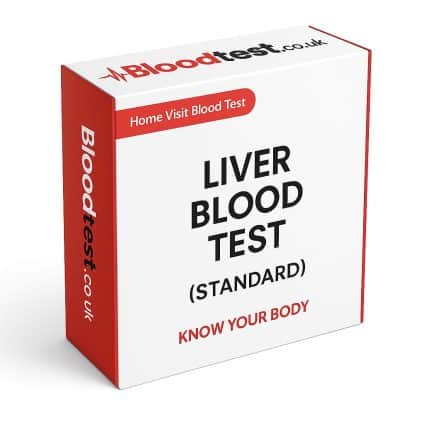
Private Liver Blood Test in Lincoln: A liver blood test is a vital diagnostic procedure that assesses the levels of specific enzymes and proteins circulating in the bloodstream, providing critical insights into liver function. In clinics across the UK, particularly in Lincoln, this test is essential for identifying a range of hepatic conditions, such as hepatitis or fatty liver disease. For example, local NHS facilities routinely perform these tests on patients exhibiting symptoms that suggest liver dysfunction, arming healthcare professionals with the necessary information for accurate diagnosis and effective treatment plans.

These tests not only act as a fundamental tool for diagnosing existing liver conditions but also play a pivotal role in tracking liver health over time. Within Lincoln, healthcare professionals utilise these assessments to empower patients to take an active role in managing their liver health, showcasing a robust commitment to preventive healthcare within the local community.
What Types of Liver Blood Tests Are Available?
In the UK, a diverse array of liver blood tests is available, with the most notable being ALT (alanine aminotransferase) and AST (aspartate aminotransferase), which are widely accessible at hospitals and clinics throughout Lincoln. These tests are crucial for the early detection of liver diseases, enabling timely and effective treatment interventions. They specifically measure levels of certain enzymes that indicate inflammation or damage to the liver, assisting local General Practitioners (GPs) in making informed treatment decisions.
Moreover, additional tests, including ALP (alkaline phosphatase) and bilirubin levels, may also be carried out to provide a comprehensive overview of liver health. This extensive selection of tests ensures that healthcare providers in Lincoln can accurately diagnose an array of liver conditions, facilitating the formulation of customised treatment plans that cater to each patient's unique needs.
What Symptoms Suggest You May Require a Liver Blood Test?
A variety of symptoms may indicate the necessity for a liver blood test, including jaundice, which appears as a yellowing of the skin and eyes, alongside abdominal pain, particularly in the upper right quadrant near the liver. In Lincoln, UK medical guidelines advise that anyone experiencing these symptoms should consult a healthcare professional without delay. Early detection through blood testing is crucial for improving health outcomes and preventing the advancement of liver disease.
Other warning signs might include unexplained fatigue, dark urine, pale stools, and ongoing nausea. Recognising these symptoms enables individuals in Lincoln to seek prompt medical attention, ensuring that any potential liver issues are addressed before they develop into more serious health complications.
Essential Preparations for Your Liver Blood Test
What Dietary Guidelines Should Be Followed Before the Test?
Fasting is often recommended before undergoing a liver blood test at UK clinics, including those in Lincoln. This fasting period is critical to ensuring the accuracy of the results, as certain foods can alter enzyme levels and potentially distort the outcomes. Typically, patients are advised to fast for a duration of 8 to 12 hours prior to the test.
During the fasting period, individuals should prioritise staying well-hydrated by drinking plenty of water, which can facilitate the blood draw process. It is equally important to avoid foods high in fat or sugar leading up to the test. By following these guidelines, healthcare providers in Lincoln can obtain the most reliable data possible, laying the foundation for effective diagnosis and treatment.
What Medications Should Be Avoided Before the Test?
Before taking a liver blood test, it is essential to discuss any medications with your GP in Lincoln, as certain drugs may interfere with test results. Common medications that can affect liver tests include over-the-counter pain relievers such as paracetamol and various herbal supplements. Reviewing your complete medication list with your healthcare provider ensures that any necessary adjustments can be made prior to your blood test.
This proactive approach aids in achieving accurate insights into liver health, enabling a clearer understanding of liver function. It is also advisable to inform your healthcare provider of any pre-existing conditions or recent changes in medication, as these factors can significantly influence how test results are interpreted.
What Is the Duration of Preparation for the Test?
Preparing for a liver blood test typically requires a day or two of adjustments within UK healthcare settings. Adhering to NHS guidelines in Lincoln ensures optimal readiness and minimises the risk of inaccurate readings during your appointment. Patients should strive to implement the necessary lifestyle and dietary changes leading up to the test, ensuring that the results accurately reflect true liver function.
- Consult your GP regarding any medications or supplements you are currently taking.
- Plan to fast for 8 to 12 hours prior to the test.
- Stay well-hydrated by drinking ample water.
- Avoid high-fat or high-sugar foods in the days preceding the test.
By following these recommendations, patients can maximise the accuracy of their liver blood test results, leading to more effective healthcare interventions tailored to individual needs.
Insights from Experts on Liver Blood Tests in Lincoln
How Do Specialists Interpret Liver Blood Test Results?
In Lincoln, UK specialists utilise advanced analytical techniques to evaluate liver blood test results. This evaluation process includes assessing various enzyme levels, such as ALT and AST, as well as bilirubin and alkaline phosphatase. These enzyme levels provide essential insights into liver health and functionality.
Upon receiving the results, healthcare professionals offer actionable recommendations in line with NHS protocols. This may involve lifestyle changes, further testing, or referrals to specialists. The focus remains on clarity and patient understanding, ensuring individuals are well-informed about their results and their implications for liver health.
What Common Advice Do Experts Provide?
Experts in the UK consistently emphasise the necessity of regular monitoring of liver health. Integrating liver blood tests into annual health check-ups is a wise strategy for maintaining overall wellness. In Lincoln, healthcare professionals encourage incorporating these tests into daily health routines, particularly for individuals with risk factors such as obesity, a history of alcohol consumption, or a family history of liver disease.
This proactive approach promotes early detection and intervention, which are vital for preventing more severe liver conditions. Regular testing allows individuals to stay informed about their liver health and make necessary lifestyle adjustments, fostering a culture of preventive care within the community.
What Benefits Do Experts Highlight?
The importance of early detection regarding liver health cannot be overstated. Experts in the UK stress that timely liver blood tests can significantly enhance health outcomes by identifying potential issues before they develop into serious conditions. For instance, research conducted in Lincoln has shown that patients who regularly undergo liver testing are more likely to receive early treatment for conditions such as fatty liver disease, ultimately leading to better long-term health.
These advantages underscore the essential role of liver blood tests within the healthcare continuum, positioning them as a fundamental component for managing and protecting liver health. By raising awareness of the testing process and promoting regular checks, healthcare providers can contribute to improved community health outcomes in Lincoln.
What Typical Outcomes Can You Expect from a Liver Blood Test?
How Are Abnormal Results Managed?
In the UK, abnormal findings from liver blood tests conducted in Lincoln typically prompt further investigations. Local specialists diligently assess these results to determine the underlying causes of elevated enzyme levels or other irregularities. Depending on the findings, additional tests such as imaging studies or liver biopsies may be suggested to gain a comprehensive understanding of the liver's condition.
This meticulous approach ensures that potential liver issues are effectively managed, enabling healthcare providers to formulate targeted treatment plans. Collaboration among specialists in Lincoln guarantees that patients receive the highest standard of care tailored to their individual test results and clinical context.
What Do Normal Results Indicate?
Normal liver blood test results in the UK, including those conducted in Lincoln, suggest that liver function resides within healthy ranges. These results imply that the liver is efficiently carrying out its essential metabolic and detoxification processes. Patients with normal results can generally continue their routine healthcare as advised by their GPs, providing reassurance regarding their liver health.
It is important for patients to maintain regular health monitoring, as normal results do not guarantee the absence of future health issues. Proactive management of liver health remains critical, regardless of current test outcomes, to ensure ongoing wellness.
What Factors May Affect Result Variations?
Numerous factors can influence liver blood test results, including age, gender, dietary habits, and lifestyle choices such as alcohol consumption and exercise routines. In the UK, understanding these variables is essential for accurate interpretation, particularly in a diverse community like Lincoln, where individual health profiles can vary significantly.
For instance, older adults may commonly exhibit different enzyme levels than younger counterparts, while individuals with higher body weight may show elevated liver markers. Healthcare providers in Lincoln are trained to account for these factors when interpreting results, ensuring that assessments are personalised and pertinent to each patient’s distinctive health profile.
What Is the Process for Communicating Results?
In the UK, liver blood test results in Lincoln are typically communicated through patients’ GPs or secure online health platforms. This system ensures that healthcare professionals can explain the findings comprehensively and address any questions or concerns patients may have. The goal is to provide clear and thorough communication, enabling individuals to understand the implications of their results.
Follow-up appointments are encouraged to discuss results in further detail and allow for an in-depth exploration of any necessary next steps regarding treatment or lifestyle adjustments. This patient-centric approach nurtures engagement and accountability in managing liver health.
Evidence-Based Benefits of Liver Blood Tests in Lincoln
How Do Liver Blood Tests Facilitate Early Detection?
Research in the UK has established that liver blood tests in Lincoln are essential for the early identification of liver diseases. These tests play a critical role in detecting conditions such as hepatitis and cirrhosis before they advance to more severe stages. By scheduling regular liver screenings, individuals can proactively manage their health and recognise potential issues early.
Healthcare providers often encourage patients to establish a routine for liver blood testing, particularly for those with identified risk factors. This preventive strategy not only promotes early diagnosis but also facilitates timely interventions that can significantly enhance health outcomes.
What Long-Term Health Benefits Can Regular Testing Offer?
The long-term benefits of consistent liver blood testing include improved management of chronic conditions and the potential for reduced overall healthcare costs. In the UK, patients in Lincoln who engage in regular monitoring are more likely to experience enduring health advantages, as early interventions can prevent the progression of liver disease.
By remaining aware of their liver health through regular testing, individuals can also encourage healthier lifestyle choices, contributing to improved well-being over time. This proactive approach is crucial for fostering a healthier community, as it empowers individuals to take control of their liver health.
What Specific Health Improvements Can Be Expected?
Studies conducted in the UK have highlighted a connection between routine liver blood testing and decreased risks of chronic liver disease, along with associated complications. In Lincoln, health data indicate that individuals who regularly undergo liver screenings demonstrate enhanced health outcomes, including improved metabolic function and reduced rates of liver-related hospital admissions.
These findings reinforce the significance of liver blood tests as a preventive measure, highlighting the need to incorporate these screenings into standard healthcare practices. By prioritising liver health, individuals can significantly improve their overall quality of life.
Where Can You Access a Liver Blood Test in Lincoln?
What Local Clinics Provide This Service?
In the UK, Lincoln boasts several NHS facilities that offer liver blood tests to cater to the healthcare needs of residents. Accessibility is a key consideration, with clinics providing a variety of appointment options designed to accommodate busy schedules. These facilities are staffed by trained professionals who recognise the importance of liver health and strive to deliver efficient, comprehensive testing services.
Individuals seeking liver tests should contact their local NHS clinic to verify availability and promptly schedule appointments. The convenience of receiving care close to home promotes proactive health management within the community.
How Can You Schedule an Appointment?
Patients in Lincoln can arrange liver blood test appointments through various channels, including online booking systems or by directly reaching out to their GP surgeries. This streamlined approach aims to ensure efficient access to testing services without unnecessary delays, allowing individuals to prioritise their liver health and schedule tests at their convenience.
Many clinics also offer walk-in blood testing, which can be particularly beneficial for those experiencing concerning symptoms who require immediate testing. This flexibility in booking options fosters timely access to healthcare for all residents.
Is Private Testing an Option for You?
Yes, several healthcare providers in Lincoln offer private liver blood testing services, catering to individuals who may prefer quicker results or additional privacy. These private services can be compared with NHS options to assist patients in making informed decisions based on their personal needs and circumstances.
Understanding the differences in costs, timing, and types of services provided can help patients make well-informed choices regarding their liver health. Private testing may offer faster turnaround times for results, which can be advantageous for those seeking immediate insights into their health.
The Significance of Regular Testing for Liver Health
Why Is Consistency Crucial for Maintaining Liver Health?
Regular liver blood tests are vital for monitoring changes in liver function over time. In the UK, maintaining consistency with these tests can substantially reduce complications associated with liver diseases. For residents in Lincoln, establishing a routine for liver testing ensures ongoing monitoring and enables prompt interventions when any abnormalities are discovered.
Engaging in regular testing also cultivates a proactive health mindset, encouraging individuals to remain vigilant about their liver health and overall wellness. This approach ultimately results in improved health outcomes and a better quality of life.
How Do Liver Tests Contribute to Overall Wellness?
In the UK, liver blood tests complement other health assessments, forming a holistic approach to wellness. Incorporating these tests into regular healthcare routines in Lincoln promotes comprehensive care, facilitating early interventions for any potential health issues. This integrated view of health supports a more sustainable healthcare model, where patients are empowered to take charge of their overall wellness.
- Schedule annual check-ups that include liver blood tests.
- Monitor lifestyle choices, including diet and exercise, that impact liver health.
- Engage with healthcare professionals about any changes in health status.
- Utilise patient education resources to enhance understanding of liver health.
By prioritising liver health as a vital component of overall wellness, individuals in Lincoln can contribute to a healthier community and elevate their quality of life.
What Risks Are Associated with Skipping Regular Tests?
Neglecting regular liver blood tests in the UK can lead to undetected health issues, significantly heightening the risks associated with liver diseases. In Lincoln, this may result in delayed treatment for conditions that could have been managed more effectively with early detection.
Being proactive about liver testing is essential; it empowers individuals to address potential health concerns before they escalate. This vigilance enables patients to take charge of their health, underscoring the importance of regular check-ups for maintaining overall well-being.
How Frequently Should Testing Be Conducted?
In the UK, guidelines recommend that liver tests should be performed every six months to two years, depending on individual risk factors. In Lincoln, healthcare providers can assist patients in determining the optimal frequency for monitoring their liver health. Customising the testing schedule to specific risk factors ensures that individuals receive proactive care and timely interventions when necessary.
Establishing a routine for liver testing not only aids in the early detection of potential issues but also supports long-term health management, allowing patients to maintain a vigilant approach towards their liver health.
Next Steps After Your Liver Blood Test
How Should You Discuss Your Results with Your Doctor?
After undergoing a liver blood test, it is vital to arrange a consultation with your doctor in Lincoln to discuss the results. This meeting provides an opportunity for personalised advice regarding any findings, ensuring that patients can ask questions and clarify any concerns they may have.
Being informed about test outcomes helps patients better comprehend their liver health and take appropriate actions, whether this involves lifestyle modifications or further testing. This collaborative approach fosters a more engaged patient-doctor relationship, enhancing overall care.
What Lifestyle Adjustments Might Be Recommended?
Based on the findings of the liver blood test, UK guidelines often suggest lifestyle changes to improve liver health. In Lincoln, adopting these changes can significantly enhance liver function and overall well-being. Common recommendations may include dietary adjustments, increased physical activity, and reduced alcohol consumption.
Focusing on a balanced diet rich in fruits, vegetables, and whole grains while steering clear of processed foods can greatly benefit liver health. Additionally, regular physical activity enhances metabolic function, supporting overall liver efficiency. By embracing these lifestyle modifications, individuals can proactively manage their liver health and reduce the risk of developing more serious conditions.
When Should You Schedule Follow-Up Tests?
UK experts advocate follow-up testing intervals based on the initial liver blood test results. In Lincoln, this ensures ongoing monitoring and timely responses to any changes in liver function. Generally, if results fall within normal ranges, retesting may be recommended every six months to a year, while elevated results might necessitate more frequent evaluations.
- Schedule follow-up appointments as advised by your healthcare provider.
- Maintain open communication with your GP regarding any new symptoms.
- Adhere to the suggested lifestyle changes to support liver health.
- Stay informed about liver health through educational resources.
By following these follow-up essentials, patients can ensure a proactive approach to their liver health, fostering a culture of vigilance and care within the community.
Frequently Asked Questions About Liver Blood Tests
What Is the Function of a Liver Blood Test?
A liver blood test measures enzymes and proteins in the blood to evaluate liver function and identify potential liver diseases.
How Should I Prepare for a Liver Blood Test?
Fasting for 8 to 12 hours before the test is recommended, along with discussing any current medications with your GP to avoid interference.
What Symptoms Suggest the Need for a Liver Blood Test?
Symptoms include jaundice, abdominal pain, fatigue, dark urine, and pale stools. Consult your doctor if you experience these signs.
How Are Liver Blood Test Results Interpreted?
Healthcare professionals assess levels of enzymes and proteins to determine liver health, providing guidance based on the findings.
What Do Normal Liver Blood Test Results Indicate?
Normal results suggest that the liver is functioning properly and there are no immediate concerns about liver health.
What Happens If My Liver Blood Test Results Are Abnormal?
Abnormal results often lead to further testing or referrals to specialists to investigate potential liver issues more thoroughly.
How Often Should I Have a Liver Blood Test?
Testing frequency generally ranges from every 6 months to every 2 years, depending on individual risk factors and health history.
Can I Get a Liver Blood Test Privately in Lincoln?
Yes, some private clinics in Lincoln offer liver blood tests, providing faster results and additional privacy options.
What Lifestyle Changes May Be Suggested Based on My Liver Blood Test Results?
Doctors may recommend dietary modifications, increased exercise, and reduced alcohol intake based on test results to improve liver health.
How Can I Discuss My Liver Blood Test Results with My Doctor?
Schedule a follow-up appointment to review the results in detail and ask any questions you may have about your liver health.
Connect with us on Facebook!
This Article Was First Found On https://bloodtest.co.uk
The Article Liver Blood Test Guide for Lincoln Residents found first on https://electroquench.com