In-Depth Insights into Liver Blood Tests
What Different Types of Liver Blood Tests Are Available for Assessment?

The spectrum of liver blood tests includes a diverse range of crucial markers that play a pivotal role in accurately assessing liver function. Among the primary tests, Alanine Aminotransferase (ALT), Aspartate Aminotransferase (AST), and Alkaline Phosphatase (ALP) are essential for measuring enzyme levels that reflect the overall health status of the liver. Furthermore, additional key markers such as bilirubin and albumin offer deeper insights into the liver's operational efficiency. In healthcare practices throughout Musselburgh, these tests are routinely performed during comprehensive health evaluations, ensuring precise results that facilitate effective health monitoring and timely medical interventions when necessary.
Essential Procedures for Conducting Liver Blood Tests with Precision
Executing a liver blood test involves a series of meticulously planned steps aimed at ensuring both accuracy and patient comfort. Initially, healthcare professionals prepare the patient by delivering detailed instructions regarding hydration and fasting requirements, which are vital for obtaining clear and reliable test results. State-of-the-art equipment, including sterile needles and vials, is employed to guarantee trustworthy outcomes. Patients receive comprehensive explanations about what to expect throughout the procedure, which assists in alleviating discomfort and anxiety, ultimately contributing to a more positive testing experience overall.
Key Indicators of Liver Health: What to Monitor Closely
Vigilantly monitoring specific symptoms is crucial for the early identification of potential liver issues. Individuals should remain attentive to key indicators such as:
- Jaundice: This condition is characterised by a yellowing of the skin and eyes, indicating possible liver dysfunction that necessitates immediate medical evaluation.
- Fatigue: Unexplained tiredness or weakness may signal underlying liver problems that warrant further investigation and potentially treatment.
- Abdominal pain: Discomfort or pain in the upper right abdomen could indicate liver distress and should not be dismissed during self-assessment.
- Dark urine: Brownish or tea-coloured urine can suggest liver complications, signalling the need for immediate testing.
- Pale stools: Light-coloured or clay-like stools often indicate complications with bile production, necessitating thorough evaluation and intervention.
- Itchy skin: Persistent itchiness without an obvious cause may be linked to liver conditions and should be discussed with a healthcare professional for further assessment.
Understanding the connection between these symptoms and test results is vital for enabling early detection and effective management of potential liver diseases, ultimately leading to improved health outcomes and quality of life.
How to Effectively Interpret Your Liver Blood Test Results

Interpreting the findings from a liver blood test requires a thorough understanding of both normal and abnormal levels of various markers. Elevated bilirubin levels can signify serious issues such as bile duct obstruction or liver dysfunction, while increases in ALT and AST may suggest liver inflammation or damage. It is crucial for patients to consult healthcare professionals to ensure accurate interpretation of these results. Such consultations provide necessary guidance on subsequent steps, which may involve additional testing or lifestyle changes to support optimal liver health and function.
How is a Liver Blood Test Conducted with Precision?
Standard Preparation Steps for Optimal Testing Outcomes
Preparing for a liver blood test involves adhering to specific routines designed to maximise the accuracy of the results. Typically, patients are advised to fast for a minimum of 8 hours prior to the test to eliminate any influence from recent food intake on the results. Staying properly hydrated by drinking water is also encouraged, as it facilitates a smoother blood draw. Understanding what to expect throughout the testing process can significantly reduce anxiety and create a more seamless experience for the patient, leading to better cooperation and outcomes.
What Equipment is Commonly Utilised in Liver Blood Tests for Best Results?
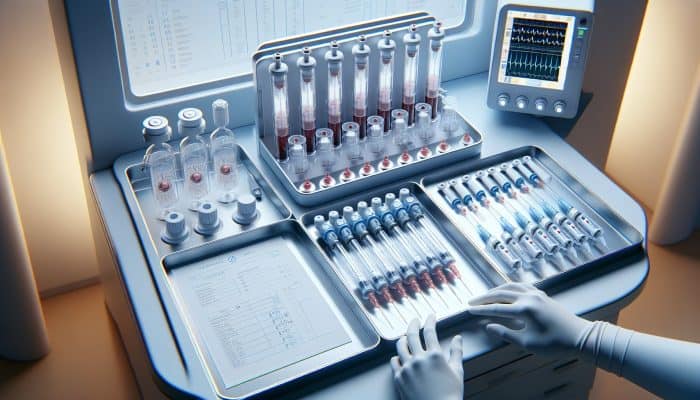
The equipment employed during a liver blood test includes specialised syringes and needles designed to minimise pain and discomfort during the blood extraction process. Phlebotomy kits typically contain vacuum-sealed blood collection tubes that ensure precise measurement of liver health indicators. This meticulous selection of tools not only supports accurate testing but also alleviates patient stress, making the procedure more comfortable and efficient overall, which is especially important for those who may feel anxious about medical testing.
What Are the Potential Risks and Precautions Associated with Liver Blood Testing?
While generally regarded as safe, a liver blood test does carry minor risks that patients should be aware of. Common issues may include bruising at the needle site, which can usually be mitigated by applying pressure post-blood draw. Patients are advised to rest after the test and monitor the site for any unusual reactions that may warrant further attention. Adhering to proper aftercare guidelines is crucial for ensuring a swift recovery and maintaining overall well-being, thereby fostering a positive attitude towards future testing and health management.
The Blood Drawing Process Explained for Clarity
The execution of a liver blood test is straightforward yet requires precision and care. The process begins with the healthcare professional preparing the arm by cleansing the area with an antiseptic solution to prevent infection. A sterile needle is then carefully inserted into a vein to collect the necessary blood sample. This procedure is performed by trained professionals who prioritise minimising the patient's discomfort. Most individuals report only minor sensations during the blood draw, and the entire process is designed to be quick and efficient to ensure that the sample is properly handled for accurate analysis.
Expert Perspectives on Liver Blood Testing in Musselburgh
How Do Medical Experts Interpret Liver Blood Test Results for Patient Care?
Medical experts interpret liver blood test results by assessing the intricate interactions of various markers present in the blood. For instance, elevated ALT levels often indicate liver inflammation, and this understanding can effectively guide treatment decisions. With extensive experience, healthcare professionals in Musselburgh possess the expertise necessary to provide personalised advice based on individual patient profiles, ensuring timely and appropriate interventions tailored to specific health needs and conditions.
What Advanced Diagnostic Techniques Are Available for Comprehensive Liver Health Assessment?
Employing advanced diagnostic techniques can significantly enhance the accuracy of liver testing and health assessment. Innovative methods such as elastography, which measures liver stiffness to evaluate fibrosis levels, are becoming increasingly popular and widely adopted. By integrating these specialised approaches, healthcare providers gain comprehensive insights into liver health, ultimately leading to more informed treatment strategies for patients and a better understanding of their overall wellbeing.
Why is Professional Consultation Beneficial for Interpreting Liver Test Results?
Seeking a professional consultation offers numerous advantages, particularly when interpreting liver blood test results. Specialists are equipped to create personalised care plans that consider individual health data and history, optimising liver health outcomes. This tailored approach ensures that patients receive the most effective strategies for managing their health, thereby enhancing their confidence in the care they are receiving and fostering a collaborative relationship with their healthcare providers.
What Are the Emerging Trends in Liver Testing for Enhanced Health Management?
The domain of liver blood testing is rapidly advancing, with experts in Musselburgh identifying the rise of innovative biomarkers and imaging techniques. These advancements improve detection accuracy, allowing for earlier intervention and proactive health management. Staying informed about these trends guarantees that patients have access to the latest developments in liver health diagnostics, fostering a community dedicated to overall wellness and health literacy.
What Lifestyle Recommendations Are Suggested for Optimal Liver Health Maintenance?
Experts in Musselburgh recommend specific lifestyle changes based on liver blood test results to enhance liver function and overall health. Dietary modifications, such as increasing the intake of fresh fruits and vegetables, along with regular physical activity, can significantly improve liver function and efficiency. Moreover, reducing alcohol consumption is vital to prevent potential complications and support liver regeneration. Embracing these healthy habits can lead to improved liver health and contribute to overall well-being, empowering individuals to take an active role in their health management.
What Signs Indicate You Might Need a Liver Blood Test for Early Detection?
What Early Symptoms Should You Recognise for Timely Intervention?
Recognising early symptoms is critical for timely intervention regarding liver health. Signs such as abdominal pain, prolonged fatigue, or unexplained weight loss may indicate the need for a liver blood test. When these symptoms arise, seeking medical advice promptly can facilitate early detection and treatment, ultimately leading to better health outcomes and minimising the risk of developing more severe liver conditions.
How Does Your Lifestyle Impact Liver Health Significantly?
Your lifestyle choices significantly influence liver function and directly affect the need for testing. Daily habits, including dietary choices, levels of physical activity, and alcohol consumption, play a crucial role in maintaining optimal liver health. Sustaining a balanced routine rich in nutrients and low in processed foods supports liver wellness and overall health. Moreover, regular exercise and adequate hydration are essential for optimal liver function, highlighting the importance of routine liver monitoring to catch any potential issues early.
When Should Follow-Up Tests Be Scheduled for Continued Health Monitoring?
The timing for follow-up tests largely depends on the findings from the initial liver blood test. If abnormal markers are identified, healthcare providers typically recommend re-testing within a specified timeframe to monitor changes in liver condition. Consistent monitoring is essential for tracking progress and promptly addressing any emerging issues, ensuring ongoing health management and fostering a proactive approach to maintaining liver health.
Research-Backed Advantages of Liver Blood Testing in Musselburgh
What Evidence Supports the Need for Regular Liver Testing in Healthcare?
Research indicates that routine liver blood tests can play a vital role in preventing complications. For example, studies reveal that early detection of elevated liver enzymes can significantly reduce the risk of chronic liver diseases. Expert insights further support the idea that regular testing leads to long-term health improvements, encouraging a proactive approach to liver health management and fostering a culture of awareness regarding liver conditions.
What Are the Key Advantages of Preventive Liver Testing for Long-Term Health?
A primary benefit of regular liver blood tests is the early identification of potential issues. By proactively monitoring liver health, individuals can implement lifestyle changes and seek medical intervention before conditions escalate—actionable steps that research supports as foundational to effective liver care strategies that ultimately promote long-term health.
How Do Long-Term Health Outcomes Improve with Regular Testing Practices?
Consistent testing correlates with better long-term health outcomes, as demonstrated by expert analyses. Regular monitoring helps identify risk factors that can be swiftly addressed, ultimately reducing the likelihood of severe liver conditions. Maintaining consistent engagement with healthcare providers ensures a strategic approach to overall wellness and liver health, leading to improved quality of life for individuals.
What Is the Community Access and Affordability Landscape for Liver Testing in Musselburgh?
Access to liver blood tests in Musselburgh has been shown to enhance community health. Local studies suggest that readily available testing options foster widespread awareness and early interventions. By exploring cost-effective strategies, health authorities can improve accessibility, ensuring that all community members benefit from essential liver health monitoring and support.
How Can Personalised Health Strategies from Test Results Enhance Outcomes for Patients?
Customised health strategies derived from liver blood test results can significantly enhance individual health outcomes in Musselburgh. Studies have highlighted the effectiveness of integrating test findings with tailored lifestyle changes to ensure sustained liver protection and overall well-being. Expert guidance can assist individuals in effectively implementing these strategies, promoting healthier communities and encouraging proactive engagement with health resources.
Where to Access Liver Blood Tests Across the UK for Comprehensive Care?
What Facilities Provide Liver Testing Services Within the Community?
Facilities offering liver blood tests across the UK include hospitals, private clinics, and community health centres. These establishments provide accessible testing options for individuals needing evaluations, ensuring convenient scheduling and timely assessments of liver health, which is essential for managing overall health effectively.
How Can You Schedule an Appointment for a Liver Blood Test Efficiently?
To arrange a liver blood test, patients can reach out to their healthcare provider or directly contact the clinic. It is advisable to choose a time when the facility is less busy to minimise delays and ensure efficient service. Many clinics also offer online booking systems for added convenience, making it easier to schedule appointments that fit individual schedules.
What Follow-Up Support is Available After Testing for Continued Care?
Post-test resources for patients may encompass counselling services, support groups, and educational materials focused on liver health. Utilizing these resources can enhance comprehensive care, guiding individuals in making informed decisions based on their test results and promoting a proactive approach to their health management, ensuring that they feel supported throughout their health journey.
Preparing for Your Upcoming Liver Blood Test: What to Know
What Dietary Guidelines Should You Follow Before Testing for Optimal Results?
Before undergoing a liver blood test, it is crucial to adhere to specific dietary guidelines. Patients are generally advised to avoid heavy meals and alcohol consumption to ensure accurate test results. Instead, consuming light, nutritious meals the day before can support optimal liver function and enhance the reliability of the test, contributing to more accurate assessments of liver health.
What Mental Preparation Techniques Can Ease Anxiety Before Testing?
Minimising anxiety related to a liver blood test can lead to a more manageable experience. Techniques such as deep breathing exercises, mindfulness meditation, or visualization can effectively calm nerves and reduce stress levels. Engaging in these strategies prior to the test helps individuals feel more relaxed and adequately prepared for the procedure, ultimately contributing to a smoother testing experience.
What Are the Essential Post-Test Care Practices for Continued Wellbeing?
Following the completion of a liver blood test, it is essential to prioritise recovery and self-care. Patients should allow ample time to rest and monitor the puncture site for any unusual reactions that may require attention. Ensuring proper hydration and nutrition after the test can support overall well-being and facilitate a swift recovery, making it a critical aspect of post-test care that contributes to long-term health.
Frequently Asked Questions About Liver Blood Testing: Your Queries Answered
What Exactly Does a Liver Blood Test Measure in Terms of Health Indicators?
A liver blood test assesses the levels of enzymes, proteins, and substances such as bilirubin in the blood to evaluate liver function. This test serves to identify potential liver diseases or damage, providing essential insights into liver health and guiding treatment decisions.
How Frequently Should You Have a Liver Blood Test Based on Your Health?
The frequency of liver blood tests is contingent upon individual risk factors and health conditions. Regular testing is generally recommended for those at higher risk or with a history of liver-related issues, ensuring timely interventions and ongoing health management.
What Preparations Are Required for a Liver Blood Test to Ensure Accuracy?
Preparation for a liver blood test typically includes fasting for several hours prior to the procedure and maintaining adequate hydration. Specific guidelines may differ, so it is advisable to consult your healthcare provider for tailored instructions based on individual circumstances to ensure optimal test results.
What Do Elevated Liver Enzyme Levels Indicate About Your Health?
Elevated levels of liver enzymes can signify liver inflammation, damage, or disease. These findings often necessitate further testing to ascertain the underlying cause and develop appropriate management strategies tailored to the patient's needs.
Are There Risks Associated with Liver Blood Tests That You Should Be Aware Of?
While generally safe, potential risks may include bruising or discomfort at the blood draw site. These issues are typically minor and tend to resolve quickly without intervention, allowing for a smooth recovery and minimal disruption to daily activities.
What Should You Do If Your Liver Blood Test Results Are Abnormal or Concerning?
If test results return abnormal, it is vital to consult a healthcare provider for a comprehensive evaluation. They can recommend additional tests or lifestyle modifications to address any liver health concerns, ensuring appropriate care is taken and tailored to individual health needs.
Can Lifestyle Changes Positively Influence Liver Health Over Time?
Yes, implementing lifestyle modifications such as adopting a balanced diet, engaging in regular physical activity, and moderating alcohol intake can significantly enhance liver health and may be reflected in subsequent blood tests. These changes can lead to better overall health and improved liver function.
How Long Does It Generally Take to Receive Liver Blood Test Results from Laboratories?
Results from a liver blood test typically require a few days, depending on the laboratory’s processing time. Your healthcare provider will discuss the findings with you as soon as they are available, facilitating timely decision-making and appropriate follow-up actions.
Is the Liver Blood Test Procedure Painful or Uncomfortable for Patients?
The procedure entails a needle prick, which may cause minor discomfort. However, it is generally quick and well-tolerated by most patients, making it an efficient and effective process that contributes to the overall assessment of liver health.
Where Can You Get a Liver Blood Test in Musselburgh for Monitoring Your Health?
Liver blood tests are accessible at local hospitals, private clinics, and community health centres throughout Musselburgh. It is advisable to check for the most convenient testing options tailored to your specific needs, ensuring timely evaluation of your liver health.
Join us on Facebook for more updates!
This Article Was First Found On https://bloodtest.co.uk
The Article Liver Blood Test: Essential Information for Musselburgh Residents Was Found On https://limitsofstrategy.com
The Article Liver Blood Test Insights for Residents of Musselburgh found first on https://electroquench.com