Discover Key Information About Liver Blood Tests in the UK
What Are the Different Types of Liver Blood Tests Offered in UK Clinics?
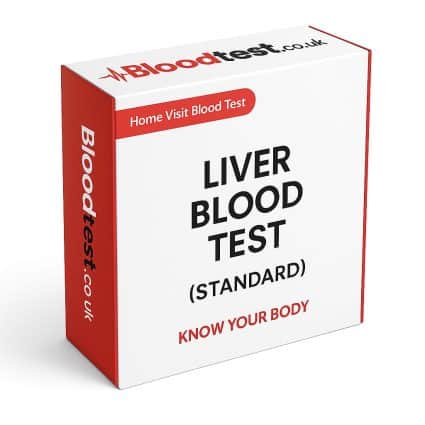
Private Liver Blood Tests in Derby: Liver blood tests serve as essential diagnostic tools that assist in the early detection of liver conditions. In UK clinics, the most frequently performed tests include Alanine Aminotransferase (ALT) and Aspartate Aminotransferase (AST). These tests are vital for assessing the liver's overall health and identifying any potential dysfunction that could signal underlying health challenges.

The NHS guidelines are crucial in interpreting these blood tests, ensuring that healthcare professionals can provide accurate diagnoses and effective follow-up care. This ultimately enhances patient outcomes and health management strategies across the spectrum.
What Preparation Steps Are Required for Liver Blood Tests in UK Hospitals?
Proper preparation is vital for obtaining accurate results from liver blood tests. Patients must follow specific pre-test guidelines to ensure reliability. These guidelines include fasting for 10 to 12 hours before the test, which helps eliminate any dietary influences on the results, avoiding alcohol for at least 24 hours prior, and notifying your healthcare provider of any medications you may be taking. Additionally, staying hydrated by drinking water, unless otherwise instructed, is important. Patients should also wear loose-fitting clothing to allow easy access to their arms during the blood collection, facilitating a smoother and more comfortable experience.
- Fast for 10-12 hours prior to the test.
- Refrain from alcohol for 24 hours before the test.
- Inform your doctor about any medications you are currently taking.
- Remain hydrated by drinking water unless otherwise directed.
- Choose loose clothing to ensure easy access to your arms.
Understanding the Significance of Liver Blood Tests in Monitoring Patient Health Across the UK
Liver blood tests are indispensable tools for monitoring patients' health throughout the UK. These tests play a pivotal role in public health initiatives, enabling healthcare providers to evaluate liver function and ensure early intervention for emerging health issues. Regular testing is highly recommended as part of routine health check-ups, aligning with national health strategies aimed at promoting overall wellbeing and preventing severe liver diseases. By encouraging proactive health monitoring, these tests significantly improve health outcomes, allowing for timely treatment and management of potential health issues.
How Should Liver Blood Test Results Be Interpreted in the UK?
Interpreting liver blood test results is a detailed process that adheres to NHS standards. The results typically include reference ranges for key liver enzymes such as ALT and AST, along with other essential markers of liver function. Normal reference ranges indicate healthy liver functionality, while values that fall outside these ranges may suggest liver disease or damage. Patients must consult their healthcare providers to gain a comprehensive understanding of their results and discuss the appropriate next steps for effectively managing their liver health.
Which Common Liver Conditions Can Blood Tests Detect in the UK?
Liver blood tests are instrumental in identifying several prevalent liver conditions, including hepatitis, fatty liver disease, and cirrhosis. These tests are well integrated into UK public health strategies, which focus on early detection and timely intervention, critical for the effective management of liver health issues. The NHS provides a variety of treatment options and personalised lifestyle advice to help patients manage these conditions effectively and prevent their progression, thereby supporting overall health and wellbeing within the community.
How Do Liver Blood Tests Function?
What Is the Process for Conducting Liver Blood Tests in UK Laboratories?
The procedure for conducting liver blood tests in UK laboratories is comprehensive and precise. A qualified healthcare professional first collects a blood sample, usually from a vein in the arm. This sample is then dispatched to a laboratory where it undergoes detailed analysis using state-of-the-art equipment. The process employs advanced techniques such as spectrophotometry and immunoassays, designed to deliver reliable results that meet the highest standards of British medical practice. This meticulous procedure is essential for accurate diagnosis and effective treatment planning.
What Factors Influence the Accuracy of Liver Blood Tests in the UK?
Several factors can significantly affect the accuracy of liver blood tests performed in the UK. Diet plays a crucial role; for example, consuming high-fat meals prior to testing can alter liver enzyme levels and skew results. Lifestyle choices, including alcohol consumption and adherence to prescribed medications, also impact the reliability of test outcomes. To ensure consistency and accuracy, patients must strictly follow pre-test guidelines and maintain open communication with their healthcare providers about their lifestyle habits, thus enhancing the overall effectiveness of the testing process.
What Equipment Is Typically Used for Liver Blood Tests in UK Facilities?
UK healthcare facilities utilise a diverse range of specialised equipment for conducting liver blood tests. This includes centrifuges used for separating blood components, as well as automated analysers that ensure precise measurement of liver enzymes. The integration of these advanced tools with national health records streamlines testing processes, significantly improving patient outcomes. Such integration guarantees that healthcare providers have access to accurate and timely results, essential for effective diagnosis and subsequent treatment planning for liver-related health issues.
How to Interpret Liver Blood Test Results Within the UK Healthcare System?
Interpreting liver blood test results in the UK healthcare system requires careful analysis of multiple key indicators, including ALT, AST, and bilirubin levels. Reference ranges for these indicators are established based on extensive research and align with national health standards. Healthcare professionals must consider these values alongside the patient’s medical history and presenting symptoms to formulate a comprehensive diagnosis and a personalised treatment plan. This holistic approach is crucial for effective liver health management and patient care.
Expert Insights on Liver Blood Tests in Derby
What Practical Steps Should Patients Take Following Test Results?
Experts in Derby recommend several practical steps for patients to optimise outcomes after receiving liver blood test results. If the results indicate elevated enzyme levels, patients are strongly encouraged to consult local GPs for personalised advice and strategies. Real-world examples demonstrate that patients who proactively engage with their healthcare providers tend to receive tailored recommendations that enhance their liver health. These may include specific lifestyle modifications, dietary adjustments, and routine monitoring to ensure ongoing health and wellbeing.
Why Is Consulting Experts Important in UK Testing Scenarios?
Consulting with liver health experts in Derby is essential for effectively navigating potential liver health concerns. Local professionals possess the expertise to deliver tailored guidance based on individual test results. Case studies illustrate that patients who receive comprehensive consultations report improved management of liver conditions, leading to better adherence to treatment plans and, consequently, enhanced overall health outcomes. The significance of professional advice cannot be overstated in the pursuit of optimal liver health.
What Recommendations Do Experts Provide for Follow-Up Care in the UK?
Post-test monitoring is crucial for the long-term management of liver health. Experts advise that patients schedule regular follow-up appointments with healthcare providers in Derby to evaluate liver function and discuss potential lifestyle changes. This ongoing engagement ensures that patients remain well-informed about their health status and receive timely interventions as needed. Such proactive measures are vital for maintaining liver health and preventing the progression of any underlying conditions.
What Innovations Are Emerging in Liver Blood Testing in Derby?
Recent advancements in liver blood testing are significantly influencing the healthcare landscape in Derby. Enhanced biomarker analysis technologies have emerged, enabling earlier detection of various liver conditions. These innovations empower healthcare providers in Derby to utilise cutting-edge diagnostic tools, ultimately leading to improved patient outcomes and proactive health management strategies. By staying at the forefront of technological advancements, healthcare professionals can offer more effective care and support to their patients.
What Common Misconceptions Surround Liver Blood Tests in the UK?
Misconceptions regarding liver blood tests can cause confusion for patients in Derby. Many individuals mistakenly believe that normal results guarantee good liver health. Experts emphasise that results must be interpreted within a broader health context. Education on these matters is vital for promoting proactive liver health management and empowering patients to make informed decisions regarding their health and wellbeing.
What Are the Key Benefits of Liver Blood Tests?
How Do Liver Blood Tests Facilitate Early Detection of Liver Issues?
Liver blood tests provide significant advantages in the early detection of liver problems. By identifying abnormalities in liver enzyme levels, healthcare providers can initiate timely interventions, thus preventing complications that may arise from untreated liver diseases. Local services ensure that patients have access to regular testing, thereby fostering a proactive approach to liver health management. This early detection is critical for improving treatment outcomes and enhancing overall patient wellbeing.
How Do Liver Blood Tests Improve Overall Health Monitoring in the UK?
Regular liver blood testing is integral to comprehensive health monitoring in the UK. These tests form a critical component of standard NHS check-ups, allowing for the early identification of potential health risks. Furthermore, patients can utilise test results to make informed lifestyle adjustments that enhance overall wellness while maintaining optimal liver function. This proactive approach to health monitoring plays a vital role in preventing more severe health issues down the line.
Why Are Liver Blood Tests Vital for Preventive Care in the UK?
Liver blood tests are fundamental to preventive care strategies within the UK healthcare system. They facilitate early diagnosis while contributing to cost-effective healthcare management. The accessibility of these tests through public health systems ensures that patients can routinely monitor their liver health. This empowers individuals to take an active role in their wellbeing and make informed decisions regarding their health management.
Research-Backed Benefits of Liver Blood Tests in Derby
How Does Research Validate the Effectiveness of Liver Blood Tests?
Research consistently supports the effectiveness of liver blood tests in enhancing patient health outcomes. Studies conducted by reputable UK institutions highlight the strong correlation between early detection through these tests and improved prognoses for liver-related conditions. Residents of Derby can leverage these findings by engaging in regular testing practices, utilising evidence-based approaches to improve their liver health management and overall quality of life.
What Significant Findings Have Emerged from UK Studies on Liver Blood Test Outcomes?
Numerous studies in the UK have documented the positive impacts of liver blood tests on patient care. For instance, research indicates that timely testing leads to earlier interventions for conditions such as hepatitis and fatty liver disease, significantly improving treatment success rates. These findings underscore the importance of regular liver health assessments for residents in Derby, reinforcing the necessity of proactive health monitoring.
How Can Research Be Applied to Everyday Testing Practices in the UK?
Integrating research findings into everyday testing practices is crucial for enhancing the accuracy of liver assessments. Healthcare providers in Derby can adopt evidence-based protocols to refine their testing procedures, ensuring that patients receive reliable results. This commitment to utilising scientific insights not only fosters better patient education but also underscores the importance of proactive health management for optimal liver health.
Effective Strategies for Liver Blood Tests in the UK
What Strategies Ensure Reliable Test Results in UK Settings?
Ensuring reliable test results in UK healthcare settings requires implementing established strategies aligned with British medical protocols. Patients should adhere strictly to pre-test preparation guidelines, engage in open communication with their healthcare providers, and follow recommended follow-up procedures. These best practices optimise liver health assessments and help achieve accurate diagnostic outcomes, ultimately enhancing the quality of patient care.
How to Choose the Right Testing Facility for Liver Blood Tests in the UK?
Selecting the appropriate testing facility is essential for obtaining accurate liver blood tests. Patients should consider factors such as the facility's accreditation, staff expertise, and proximity to their location. By prioritising quality and accessibility, individuals can make informed decisions that enhance the effectiveness and reliability of their testing experiences, ensuring they receive the highest standard of care.
What Strategies Can Help Integrate Liver Blood Tests into UK Lifestyle Routines?
Incorporating liver blood tests into daily routines can be achieved seamlessly through practical strategies, such as:
- Scheduling tests during routine health check-ups.
- Setting reminders for follow-up appointments.
- Tracking test results using health applications.
- Involving family members for support in health management.
- Educating oneself about liver health and testing procedures.
How to Understand and Interpret Liver Blood Test Results in the UK?
Understanding and interpreting test results involves a thorough examination of the outcomes in accordance with British guidelines. Patients should actively engage with NHS experts to gain a comprehensive understanding of their results. Recognising both normal and abnormal indicators empowers individuals to make informed health decisions and seek appropriate interventions when necessary, thereby playing an active role in their liver health management.
What Constitutes Effective Follow-Up Care After Liver Blood Tests in the UK?
Effective follow-up care following liver blood tests is crucial for maintaining optimal liver health. Patients should schedule regular reviews with healthcare providers to discuss test results and consider potential lifestyle adjustments. Implementing these strategies in accordance with UK healthcare practices fosters comprehensive support for individuals striving to safeguard their liver health. This ongoing partnership with healthcare professionals is vital for long-term wellbeing.
Common Myths and Misconceptions About Liver Blood Tests
What Misconceptions Are Common Regarding Liver Blood Tests in the UK?
Several misconceptions about liver blood tests persist in the UK, often leading to confusion among patients. For example, many individuals erroneously believe that a single normal result guarantees their liver health. It is crucial to address these myths through comprehensive education, emphasising that ongoing monitoring and a deeper understanding of test results are vital for proactive liver health management.
How Do Myths Influence Patient Decisions in UK Healthcare Contexts?
Myths can significantly impact patient decisions regarding liver health in the UK. Misinformation may lead individuals to postpone necessary testing or overlook symptoms, ultimately jeopardising their health. By promoting reliance on accurate, UK-based resources, patients can be guided to make informed choices, fostering better health outcomes and encouraging proactive health management.
How Can Myths Be Debunked Using UK-Based Evidence?
Debunking myths surrounding liver blood tests requires a commitment to education grounded in reliable data from British health authorities. By effectively communicating factual information and dispelling common misconceptions, healthcare providers can enhance awareness about liver health. This proactive educational approach encourages patients to take charge of their health and make informed decisions regarding their liver management.
Commonly Asked Questions
What Is a Liver Blood Test?
A liver blood test is a diagnostic tool that evaluates liver function by measuring enzyme levels and other markers in the blood, helping to identify potential liver diseases.
How Frequently Should I Have Liver Blood Tests?
The frequency of liver blood tests varies based on individual health risks. However, routine examinations are generally recommended annually or as advised by a healthcare provider to ensure ongoing monitoring of liver health.
What Do Elevated Liver Enzymes Indicate?
Elevated liver enzymes may suggest liver damage or disease, such as hepatitis or fatty liver disease, necessitating further evaluation and consultation with a healthcare professional for appropriate care.
Are Liver Blood Tests Safe?
Yes, liver blood tests are safe procedures with minimal risks, primarily associated with the blood draw itself, which may include possible bruising or minor discomfort.
What Should I Avoid Before a Liver Blood Test?
Before a liver blood test, it is advisable to avoid alcohol, high-fat meals, and certain medications unless otherwise directed by your healthcare provider to ensure accurate test results.
How Long Does It Typically Take to Receive Liver Blood Test Results?
Typically, liver blood test results are available within a few days, though this may vary by laboratory and the specific tests performed.
Can Liver Blood Tests Identify Cancer?
While liver blood tests can indicate liver dysfunction, they are not definitive for diagnosing liver cancer. Additional imaging tests or biopsies may be required for a conclusive diagnosis.
What Lifestyle Changes Can Improve Liver Health?
Maintaining a balanced diet, engaging in regular exercise, limiting alcohol intake, and avoiding harmful substances can greatly enhance liver health and overall wellbeing.
Do I Need a Referral for a Liver Blood Test?
In most instances, a referral from a healthcare provider is necessary to undergo a liver blood test, particularly within NHS settings, to ensure appropriate evaluation and care.
What Follow-Up Care Is Required After Liver Blood Tests?
Follow-up care may involve discussing results with a healthcare provider, implementing lifestyle changes, or scheduling additional tests and monitoring as required for ongoing liver health management.
Connect with us on Facebook!
This Article Was Originally Published On https://bloodtest.co.uk
The Article Liver Blood Tests: Essential Information for Derby Residents was first found on https://electroquench.com