In-Depth Exploration of Thyroid Blood Tests: A Comprehensive Resource
What Role Does a Thyroid Blood Test Play in Health Assessment?
Private Thyroid Blood Test in Chester: A thyroid blood test is a critical diagnostic procedure that measures the levels of circulating thyroid hormones. This test allows healthcare professionals to assess the functionality of the thyroid gland, an organ vital for numerous physiological processes. The thyroid gland, located in the neck, plays a significant role in regulating metabolism, energy levels, and emotional health. By analysing hormone levels, doctors can obtain valuable insights into a patient's overall health and identify potential thyroid dysfunctions, which can lead to a range of health complications.
By measuring critical hormones such as thyroxine (T4), triiodothyronine (T3), and thyroid-stimulating hormone (TSH), healthcare providers can accurately identify various thyroid-related disorders, including hypothyroidism (characterised by an underactive thyroid) and hyperthyroidism (indicating an overactive thyroid). This diagnostic capability is essential because understanding these conditions facilitates the appropriate implementation of treatment and management strategies, ultimately leading to improved patient outcomes.
The thyroid blood test serves a dual purpose: not only does it aid in diagnosing thyroid disorders, but it also plays a critical role in monitoring the effectiveness of ongoing treatments for these conditions. A comprehensive understanding of test results empowers both patients and healthcare professionals to make informed decisions regarding necessary lifestyle modifications or medical interventions, leading to enhanced health outcomes for the patient and better management of their thyroid health.
Understanding the Different Types of Thyroid Blood Tests Available
A variety of thyroid blood tests are essential for delivering a thorough assessment of thyroid function. The primary tests include:
- TSH (Thyroid Stimulating Hormone) Test: This test measures the concentration of TSH in the bloodstream, which reflects the overall functionality of the thyroid gland.
- T4 (Thyroxine) Test: This test assesses the levels of thyroxine, the principal hormone produced by the thyroid gland.
- T3 (Triiodothyronine) Test: This evaluates the amount of triiodothyronine, a hormone that is crucial for metabolic processes.
- Free T4 and Free T3 Tests: These tests examine the unbound hormones available for the body's use, providing clearer insights into thyroid health.
- Thyroid Antibodies Test: This identifies the presence of antibodies that may indicate autoimmune thyroid conditions, such as Hashimoto’s thyroiditis or Graves’ disease.
Each of these tests delivers distinct information about thyroid health, collectively offering a comprehensive overview of thyroid functionality. They facilitate detailed interpretations of both normal and abnormal thyroid activity, ensuring effective management of any identified disorders, which is crucial for maintaining optimal health.
What Steps Should You Take to Prepare for an Accurate Thyroid Blood Test?
Appropriate preparation for a thyroid blood test is vital to ensure accurate and reliable results. While many individuals may not require extensive preparatory measures, adhering to specific guidelines can significantly enhance the validity of the test outcomes. Preparation may involve fasting for a designated period or refraining from certain medications that could impact hormone levels.
Patients are strongly encouraged to have a thorough discussion about their medical history with their healthcare provider. This dialogue can reveal necessary adjustments, such as temporarily discontinuing thyroid medications, corticosteroids, or dietary supplements that might distort the results. Healthcare providers will furnish tailored instructions to ensure patients are optimally prepared for the testing process, maximising the accuracy of the results.
Moreover, scheduling the test at a consistent time each day is advisable, as hormone levels can fluctuate based on circadian rhythms. By following these preparation tips, patients can substantially improve the diagnostic accuracy of their thyroid blood test, paving the way for more effective treatment plans and better health management.
How Can You Interpret the Results of Your Thyroid Blood Test?
Interpreting thyroid blood test results requires a nuanced understanding of reference ranges and the clinical significance of the reported values. Upon receiving the results, your healthcare provider will assess whether your hormone levels fall within the normal range or indicate a potential thyroid issue that requires attention.
Generally, normal TSH levels range from 0.4 to 4.0 milli-international units per litre (mU/L), while T4 and T3 levels also have their respective reference ranges. Elevated TSH levels typically suggest hypothyroidism, while lower levels may indicate hyperthyroidism. Variations in T4 and T3 levels offer further insights into the specific nature of thyroid dysfunction, helping to inform appropriate treatment strategies.
It is crucial for patients to maintain open communication with their healthcare provider regarding these results. Understanding the implications of elevated or diminished hormone levels can guide necessary treatment pathways and lifestyle modifications, ensuring optimal thyroid health moving forward and reducing the risk of complications.
Personal Accounts and Testimonials Regarding Thyroid Blood Tests in Chester
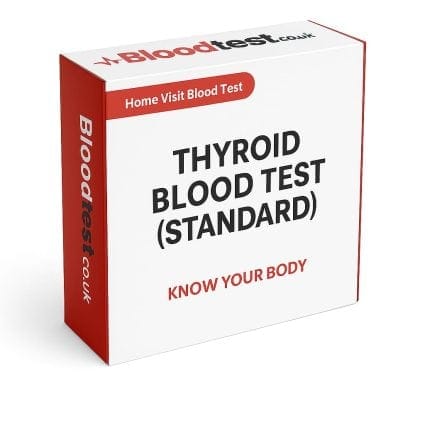

What Are Some Inspiring Success Stories from Thyroid Blood Tests in Chester?
In Chester, numerous patients have effectively managed their thyroid health through comprehensive thyroid blood tests. For example, Mrs. Smith, a 45-year-old woman, had been experiencing fatigue, weight gain, and mood swings. After consulting her GP, she underwent a thyroid blood test at a local clinic, which confirmed a diagnosis of hypothyroidism. This diagnosis led to a personalised treatment plan that included medication and lifestyle adjustments. Within a few months, Mrs. Smith witnessed a significant improvement in her energy levels and emotional stability, highlighting the transformative impact of timely thyroid testing and intervention.
In a similar vein, Mr. Johnson, a 50-year-old man, faced unexplained weight loss and heart palpitations. His doctor recommended a thyroid blood test, which confirmed hyperthyroidism. After receiving appropriate treatment, he successfully regained weight and stabilised his heart rate, showcasing the importance of early detection and management of thyroid disorders.
The advantages of thyroid blood tests in Chester extend beyond mere diagnosis; they facilitate early intervention, which is crucial in preventing long-term complications. Key benefits include:
- Early identification of thyroid disorders
- Informed and effective treatment strategies
- Ongoing monitoring of existing thyroid conditions
- Enhanced quality of life through personalised management plans
These real-life accounts underscore the significance of proactive thyroid health management through regular testing, ultimately leading to improved patient outcomes and overall well-being.
What Are the Latest Innovations in Thyroid Blood Testing Methods?
Recent advancements in thyroid blood testing have considerably enhanced the accuracy and breadth of thyroid health assessments. Innovations, such as more sensitive assays for accurately measuring TSH, T4, and T3 levels, have enabled earlier detection of thyroid dysfunction, often even before patients exhibit noticeable symptoms.
Additionally, emerging biomarkers offer deeper insights into thyroid health. For instance, identifying thyroid antibodies has led to more precise diagnoses of autoimmune conditions, such as Hashimoto’s thyroiditis. These innovations allow healthcare practitioners to better tailor treatment plans, optimising the management of thyroid disorders and improving patient outcomes.
Technological advancements also facilitate faster turnaround times for test results, enabling patients to receive timely interventions. As the landscape of thyroid testing continues to evolve, both patients and healthcare professionals can look forward to a future where thyroid health is monitored and managed more effectively, supporting proactive care.
What Insights Do Experts Provide About the Reliability of Thyroid Blood Tests?
The reliability of thyroid blood tests can vary based on several factors, including the type of test, laboratory protocols, and individual patient conditions. Generally, TSH tests are considered the most reliable initial screening tool for thyroid disorders, boasting an accuracy that often exceeds 90%.
However, various factors can influence test results. For example, the timing of medication intake, the specific time of day the test is conducted, and recent illnesses can all impact outcomes. Patients are typically advised to take prescribed thyroid medications as directed and may need to schedule testing accordingly to ensure results accurately reflect thyroid function.
Furthermore, recognising the limitations of these tests is crucial. While they are invaluable for guiding diagnosis and treatment, they should always be interpreted alongside clinical evaluations and patient symptoms. Collaborative efforts between healthcare providers and patients in interpreting these results enhance the reliability of thyroid health assessments, fostering better management of thyroid-related conditions.
Locating Thyroid Blood Testing Services in Chester
Which Local Clinics Offer Thyroid Blood Tests?
Chester is home to a variety of clinics and healthcare facilities that provide thyroid blood tests. Patients can easily access these services, ensuring they receive timely and accurate results. Local options include NHS hospitals and private clinics that offer a wide range of testing services tailored to individual health needs.
For instance, the Countess of Chester Hospital provides comprehensive testing services, and patients may consult their GP for a referral. Additionally, private laboratories like Chester Private Clinic offer quick, convenient testing with minimal wait times, ensuring that patients can manage their thyroid health efficiently and effectively.
Individuals interested in undergoing testing are encouraged to discuss their preferences with their GP, who can recommend the most suitable facilities based on their specific health requirements and individual circumstances.
How to Choose the Right Facility for Your Thyroid Testing Needs?
Selecting the appropriate facility for your thyroid blood test involves several crucial considerations. Reputation is paramount; opt for a facility recognised for its high standards, qualified professionals, and precise testing methodologies.
Cost is another significant factor, as prices can vary considerably between NHS services and private providers. Patients should evaluate their financial situation and decide whether to utilise NHS services or private insurance to cover the costs. Convenience is also essential; choosing a facility that is easily accessible simplifies the testing process and reduces any travel-related stress, enabling patients to focus on their health.
Lastly, consider the range of services offered. Some facilities provide comprehensive thyroid testing, while others may focus on specific aspects of thyroid health. Assessing these factors will ensure that patients make informed decisions regarding their thyroid health management, leading to better outcomes.
What Should You Expect During Your Thyroid Blood Test Appointment?
Attending a thyroid blood test appointment is generally a straightforward and efficient process. Upon arriving at the testing facility, patients typically complete a brief registration before being escorted to a private area for the blood draw.
A trained phlebotomist will disinfect the arm, insert a needle, and draw blood into a vial. The procedure is usually quick, often taking less than five minutes. While some individuals may feel a slight pinch or discomfort, the process is largely painless and well-tolerated by most patients.
After collecting the blood sample, patients can resume their normal activities without restrictions, ensuring minimal disruption to their day. Following the appointment, test results are generally available within a few days, facilitating timely follow-up consultations and the implementation of any necessary treatment plans.
Understanding the Thyroid Blood Test Procedure
A Step-by-Step Guide to Blood Drawing for Thyroid Testing
The procedure for drawing blood for a thyroid blood test is designed to be efficient and minimally invasive. A trained phlebotomist first disinfects the arm site, typically using an alcohol swab to reduce the risk of infection. A needle is then carefully inserted into a vein, usually in the inner elbow, to collect the blood sample.
This process is quick, often taking less than five minutes from start to finish. While patients may feel a brief sting as the needle enters, the discomfort is generally mild and short-lived. For individuals who experience anxiety regarding needles, discussing their concerns with the phlebotomist can help alleviate worries, making the procedure more comfortable.
Once the blood is collected, it is placed in a vial labelled with the patient’s information to ensure accurate tracking and analysis. The efficiency and precision of this process are vital for obtaining reliable test results, which are crucial for effective diagnosis and treatment.
What Occurs After Your Blood Sample Is Collected?
Once the blood sample is taken during the thyroid blood test, it is promptly sent to a laboratory for thorough analysis. The laboratory employs advanced equipment and skilled professionals to evaluate the sample for thyroid hormone levels.
The analysis typically focuses on measuring TSH, T4, and T3 levels, providing essential information regarding thyroid functionality. The laboratory may also conduct additional tests based on initial findings or specific requests from the healthcare provider, ensuring a comprehensive evaluation of thyroid health.
Results are usually processed within a few days and then forwarded to the requesting healthcare provider. This rapid turnaround enables timely diagnosis and intervention, ensuring that patients receive the necessary care based on their thyroid health status and any identified concerns.
What Do Your Thyroid Test Results Reveal About Your Health?
Interpreting thyroid blood test results requires an understanding of normal hormone ranges and the clinical implications of any deviations from these norms. Generally, TSH is considered the most critical indicator of thyroid function, with normal levels typically falling between 0.4 and 4.0 mU/L.
Elevated TSH levels frequently indicate hypothyroidism, suggesting that the thyroid is not producing enough hormones. Conversely, low TSH levels may signal hyperthyroidism, where the thyroid is overactive and producing excess hormones. Understanding the context of T4 and T3 levels is equally essential. Abnormal levels of these hormones may indicate underlying thyroid disorders that necessitate further investigation or treatment.
Healthcare providers will assist patients in interpreting their results and clarify any necessary follow-up actions or lifestyle adjustments that may be warranted based on the findings. This collaborative approach ensures that patients receive tailored care and support in managing their thyroid health effectively.
Essential Preparations for Your Thyroid Blood Test
Preparing for a thyroid blood test is essential for ensuring accurate results. While specific requirements may differ depending on individual health situations, certain general guidelines are applicable to most patients. For instance, fasting may be advised, particularly if additional blood tests are being performed concurrently.
Patients should also be vigilant in informing their healthcare provider about any medications or supplements they are currently taking, as some substances may impact hormone levels. For example, individuals on thyroid hormone replacement therapy may need to pause their medication before testing to prevent skewed results.
Furthermore, adhering to a consistent testing schedule, ideally at the same time each day, can help accurately track fluctuations in hormone levels. Following these guidelines can significantly enhance the reliability of test outcomes, leading to more informed treatment decisions and better management of thyroid health.
Common Thyroid Tests and Their Specific Functions
The domain of thyroid testing encompasses several prevalent tests, each serving a unique purpose in evaluating thyroid functionality and overall health.
- TSH Test: This test acts as the primary screening tool for both hypothyroidism and hyperthyroidism, offering critical insights into thyroid health and function.
- T4 Test: By measuring thyroxine levels, this test determines whether the thyroid is producing sufficient hormones necessary for metabolic processes.
- T3 Test: This test evaluates the active form of thyroid hormone, providing insights into metabolic activities and energy regulation.
- Free T4 and Free T3 Tests: These tests measure the unbound forms of the hormones in the bloodstream, which are readily available for utilisation in the body, offering a clearer picture of thyroid health.
Understanding these tests and their implications can empower patients to engage more effectively in discussions regarding their thyroid health with healthcare providers, fostering better management strategies and improved outcomes.
Research-Driven Benefits of Thyroid Blood Tests in Chester
How Can Regular Thyroid Testing Improve Your Health?
Consistent thyroid blood testing can significantly enhance overall health by facilitating early detection and management of thyroid disorders. Identifying these issues in their early stages allows for timely interventions that can greatly improve quality of life and overall well-being.
Patients who regularly participate in testing often report marked health improvements, including:
- Increased energy levels
- Enhanced mood stability
- Effective weight management
- Improved cognitive function and mental clarity
By routinely monitoring thyroid function, individuals can proactively manage their thyroid health, leading to enhanced overall well-being and a better quality of life.
What Conditions Are Diagnosed Through Thyroid Tests?
Thyroid blood tests play a crucial role in diagnosing a variety of conditions linked to thyroid dysfunction. Commonly identified disorders include:
- Hypothyroidism: Characterised by inadequate hormone production, leading to symptoms such as fatigue, weight gain, and feelings of depression.
- Hyperthyroidism: An overactive thyroid can result in unexplained weight loss, anxiety, and heart palpitations, indicating a need for intervention.
- Thyroiditis: This inflammation of the thyroid gland can lead to temporary or permanent changes in hormone levels, necessitating careful management.
- Thyroid Cancer: Blood tests can assist in monitoring thyroid nodules and guiding further diagnostic procedures, playing a critical role in patient care.
These tests are essential for initiating appropriate treatment plans and monitoring ongoing thyroid health, thus minimising potential complications and enhancing patients' overall health outcomes.
Actionable Steps for Managing Thyroid Health After Testing
After undergoing a thyroid blood test, it is vital to take specific steps to effectively manage thyroid health. Once you receive the results, patients should actively collaborate with their healthcare provider to discuss treatment alternatives. Some actionable steps include:
- Adhering to prescribed medication regimens as directed
- Incorporating a balanced diet rich in iodine and selenium to support thyroid function
- Regularly monitoring symptoms and tracking changes in overall health
- Engaging in consistent physical activity to maintain overall health and emotional well-being
By implementing these steps, individuals can take control of their thyroid health, enhancing their overall well-being and preventing future complications.
How Frequently Should You Get Tested for Thyroid Conditions?
The frequency of thyroid blood testing depends on individual health factors and existing conditions. For those diagnosed with thyroid disorders, regular testing is crucial for monitoring hormone levels and making necessary treatment adjustments.
Typically, patients with stable thyroid levels may require testing every 6 to 12 months, while those undergoing treatment or experiencing symptoms might need more frequent assessments. Discussing specific testing schedules with a healthcare provider ensures that individuals receive personalised recommendations based on their unique health circumstances.
Where Can You Obtain a Thyroid Blood Test in Chester?
Chester is equipped with multiple facilities that offer thyroid blood tests. Recommended locations include:
- Countess of Chester Hospital: A reputable facility providing comprehensive testing services for thyroid health.
- Westminster Medical Centre: Convenient access for residents seeking thyroid testing.
- Chester Private Clinic: Offers rapid and efficient testing with minimal wait times, ensuring timely management of thyroid health.
- Chelford Medical Centre: Known for its patient-focused approach to healthcare, making it an ideal choice for thyroid testing.
Patients are encouraged to consult their GP for tailored recommendations and further information about these facilities, ensuring they receive high-quality care and support for their thyroid health.
Understanding Costs and Insurance Coverage for Thyroid Blood Tests
What Is the Cost of a Thyroid Blood Test in Chester?
The price of a thyroid blood test in Chester can vary depending on the facility and whether the test is conducted through the NHS or a private provider. Generally, NHS tests are covered, minimising out-of-pocket costs for patients and ensuring access to necessary healthcare services.
For private testing, prices can range from £50 to £150, depending on the clinic and any additional services provided. Patients should consider these costs in light of their healthcare needs, evaluating factors such as service speed and convenience, to make informed decisions.
Is a Thyroid Blood Test Covered by the NHS?
Thyroid blood tests are typically covered by the NHS when deemed medically necessary by a healthcare provider. Patients should consult their GP to discuss symptoms and potential testing options; if approved, the test will be conducted at no direct cost to the patient.
NHS coverage guarantees that individuals receive essential healthcare services without financial strain, underscoring the importance of early detection and management of thyroid conditions for improved health outcomes.
What About Private Insurance Coverage for Thyroid Tests?
For those with private insurance, coverage for thyroid blood tests may vary based on the specific plan. Patients should consult their insurance provider regarding the extent of their coverage, including any applicable deductibles and co-pays. Understanding the out-of-pocket costs associated with these tests can help individuals plan more effectively for their healthcare needs.
Patients should also inquire about any necessary pre-authorisations or referrals required by their insurance provider to ensure a smooth testing experience and access to timely care.
Effective Strategies for Thyroid Blood Testing in Chester
How Often Should You Undergo Thyroid Testing for Optimal Health Maintenance?
Determining the frequency of thyroid blood testing is vital for ongoing health management and monitoring. Individuals with diagnosed thyroid disorders should collaborate closely with their healthcare provider to establish a personalised testing schedule based on their health history and symptoms.
For many, annual testing may suffice; however, individuals experiencing significant health changes or undergoing treatment may require more frequent evaluations. Maintaining open communication with healthcare providers ensures that patients receive the most appropriate testing frequency to safeguard their thyroid health and overall well-being.
Helpful Tips for Understanding Your Thyroid Test Results
Interpreting thyroid test results can be complex due to the technical nature of the information provided. Patients are encouraged to actively engage with their healthcare provider to clarify any uncertainties concerning the results.
Preparing questions in advance regarding the implications of abnormal hormone levels and the subsequent management steps can be beneficial. Healthcare providers can offer crucial insights, assisting patients in navigating the intricacies of their thyroid health and making informed decisions regarding their treatment.
How to Prepare for Follow-Up Appointments After Your Testing?
After a thyroid blood test, it is essential to prepare for follow-up appointments to maximise their effectiveness. Patients should document any symptoms, changes in health, or medication side effects experienced since their last visit. This information is invaluable in guiding further discussions with healthcare providers and ensuring comprehensive care.
Additionally, preparing a list of questions regarding treatment options, lifestyle changes, or additional testing can greatly enhance the effectiveness of these appointments. Proactive engagement in follow-up care can significantly improve thyroid management and support long-term health.
Where Can You Access Thyroid Blood Testing Services in Chester?
As previously mentioned, Chester offers a variety of facilities that provide thyroid blood tests. Patients seeking testing should consult their GP for tailored recommendations based on their health requirements and individual circumstances.
Local options, such as the Countess of Chester Hospital and private clinics, provide convenient testing, enabling residents to manage their thyroid health efficiently and effectively, ensuring timely access to necessary diagnostic services.
What to Expect During the Thyroid Blood Test Procedure?
During a thyroid blood test, patients can expect a straightforward experience. Upon arriving at the testing facility, they will register and then be taken to a private area for the blood draw.
The procedure involves minimal discomfort and typically takes just a few minutes. Patients can resume normal activities immediately after the procedure, ensuring a seamless and stress-free testing process, which is crucial for maintaining their health.
Frequently Asked Questions About Thyroid Blood Tests
What Symptoms Suggest the Necessity of a Thyroid Blood Test?
Symptoms such as fatigue, unexplained weight fluctuations, mood swings, and changes in heart rate may indicate the need for a thyroid blood test. It is crucial to consult a healthcare provider for proper evaluation and to discuss any concerning symptoms that warrant further investigation.
How Can I Ensure the Accuracy of My Thyroid Blood Test Results?
To ensure accurate results, adhere to any preparation guidelines provided by your healthcare provider, such as fasting or adjusting medication prior to the test, as these factors can significantly impact the outcomes of your thyroid blood test.
Are There Risks Associated with Undergoing a Thyroid Blood Test?
The risks are minimal and primarily involve slight discomfort or bruising at the blood draw site. Serious complications are exceedingly rare, making the procedure a safe and routine part of thyroid health management.
How Long Will It Take to Receive the Results from My Thyroid Blood Test?
Typically, results from a thyroid blood test are available within a few days, depending on the laboratory and the processing times of the testing facility, allowing for timely follow-up consultations and necessary interventions.
Can I Eat or Drink Before My Thyroid Blood Test?
Whether you can eat or drink before the test depends on your healthcare provider’s specific instructions; some tests may require fasting, while others may not, so it is essential to clarify this with your provider prior to the test.
What Is the Significance of TSH Levels in Assessing Thyroid Health?
TSH levels are critical indicators of thyroid function; elevated levels may indicate hypothyroidism, while low levels may suggest hyperthyroidism, guiding treatment decisions and management strategies effectively.
Do I Need a Referral to Order a Thyroid Blood Test?
A referral from a healthcare provider is generally required for NHS tests. However, private facilities may allow direct access without a referral, making it easier for patients to get the tests they need.
What Steps Should I Take If My Thyroid Test Results Are Abnormal?
If your thyroid test results are abnormal, it is advisable to schedule a follow-up appointment with your healthcare provider to discuss potential treatment options and the next steps for managing your thyroid health effectively.
How Can I Manage My Thyroid Health After Testing?
Post-test management includes adhering to prescribed treatments, maintaining a healthy diet, regularly monitoring symptoms, and scheduling follow-up tests as recommended to ensure ongoing thyroid health and wellness.
Is There an Age at Which Thyroid Testing Should Commence?
Thyroid testing can begin at any age, especially for individuals with risk factors such as a family history of thyroid disorders or specific symptoms indicating dysfunction. Regular screenings are often recommended for adults over 60 to monitor thyroid health.

Connect with us on Facebook!
This Article Was First Found On https://bloodtest.co.uk
The Article Thyroid Blood Test Guide: Discover Chester’s Local Services Was Found On https://limitsofstrategy.com
The Article Thyroid Blood Test: Explore Local Services in Chester found first on https://electroquench.com